
Ankle Sprain
Complete treatment and rehabilitation for sprained ankles
Understanding Ankle Sprain
Ankle sprains are one of the most common sports injuries, occurring when the ligaments supporting the ankle stretch beyond their limits. While many people treat sprains with rest alone, incomplete rehabilitation is the number one reason ankle sprains become recurrent — up to 70% of people who sprain their ankle will sprain it again.
At DSM, we provide comprehensive ankle sprain treatment that goes beyond initial pain relief. We restore full joint mobility, rebuild ankle stability, and retrain proprioception so your ankle is stronger and more resilient than before the injury.

Symptoms
- Pain and tenderness around the ankle
- Swelling and bruising
- Difficulty bearing weight
- Reduced range of motion
- Feeling of instability or the ankle giving way
- Popping sensation at the time of injury
Common Causes
Inversion Injury (Rolling the Ankle)
The most common mechanism — the foot rolls inward, stretching or tearing the lateral (outside) ankle ligaments.
Sports & Court Activities
Basketball, soccer, volleyball, and trail running carry high ankle sprain risk due to jumping, cutting, and uneven surfaces.
Previous Ankle Sprain
A prior sprain that wasn't fully rehabilitated leaves the ankle unstable and significantly increases the risk of re-injury.
When to Seek Treatment
Seek treatment for any ankle sprain — even mild ones. Proper evaluation ensures no fracture is present and appropriate rehabilitation prevents chronic instability. If you can’t bear weight, have significant swelling, or the ankle feels unstable, evaluation is especially important.
Treatment Options
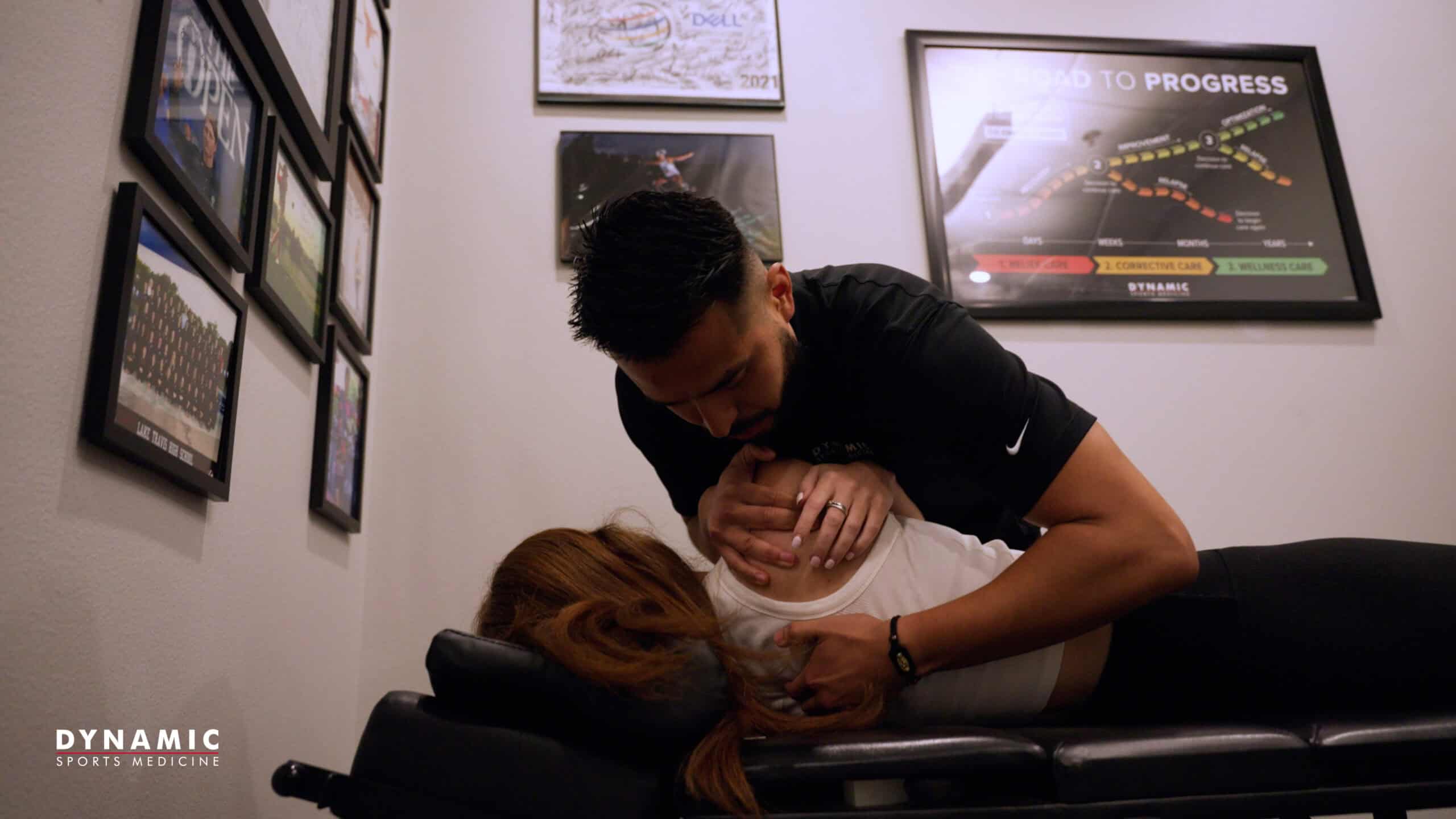
Chiropractic Ankle Adjustment
Myofascial Release
Balance & Proprioception Training
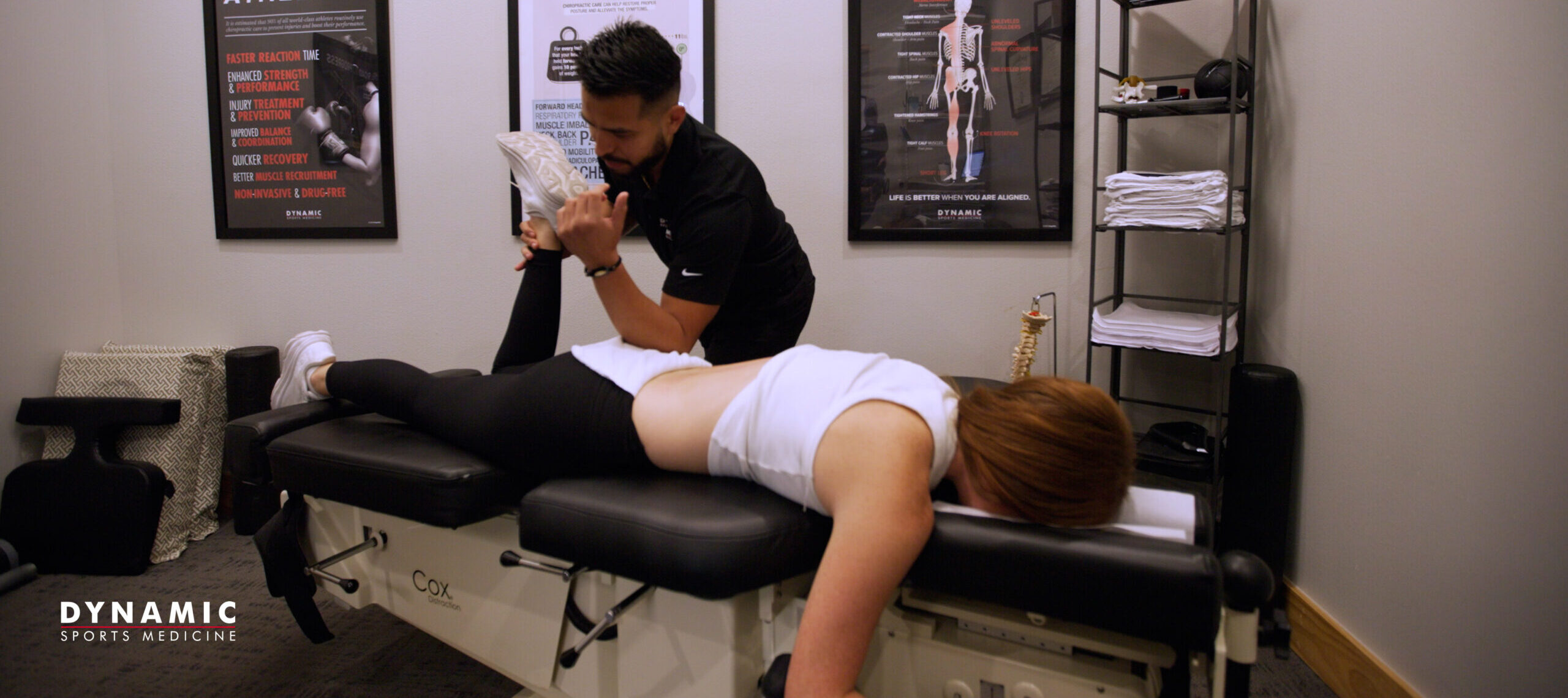
Functional Rehabilitation
Recovery & Rehabilitation
Grade 1 sprains typically recover in 1-3 weeks. Grade 2 sprains may take 4-6 weeks. Grade 3 sprains (complete ligament tears) can require 8-12 weeks. The critical factor is not just healing the ligament, but restoring proprioception and strength — which is what prevents re-injury.
Frequently Asked Questions
In the first 48-72 hours, ice can help manage swelling and pain. After that, gentle movement and treatment are more beneficial than prolonged rest and ice. Your DSM provider will guide you through the optimal recovery timeline.
Recurrent ankle sprains almost always indicate incomplete rehabilitation from a previous sprain. The ligaments may have healed, but the proprioception (balance and position sense) and peroneal muscle strength weren’t restored. This is exactly what DSM rehabilitation addresses.
Related Services


Ready to Get Relief?
Schedule your appointment with our specialists to discuss your treatment options.
Book Now