
Hip Pain
Expert diagnosis and treatment for hip pain and dysfunction
Understanding Hip Pain
Hip pain is a common complaint among athletes, runners, and active adults. The hip is a complex ball-and-socket joint that bears enormous forces during walking, running, squatting, and sports. Pain can originate from the joint itself, surrounding muscles, tendons, bursae, or even be referred from the lower back.
At Dynamic Sports Medicine, we perform a thorough evaluation to identify whether your hip pain is joint-related, muscular, or referred from another source, then build a treatment plan that targets the exact cause.

Symptoms
- Pain in the groin, front, side, or back of the hip
- Stiffness or reduced range of motion
- Clicking, popping, or snapping sensations
- Pain that worsens with activity (walking, running, squatting)
- Difficulty sitting for extended periods
- Limping or altered gait
- Pain that disrupts sleep when lying on the affected side
Common Causes
Hip Flexor Strain
Overuse or sudden movements can strain the iliopsoas and rectus femoris muscles, causing pain at the front of the hip.
Bursitis
Inflammation of the bursae (fluid-filled sacs) around the hip joint causes localized pain, often on the outside of the hip.
Labral Tear
Damage to the cartilage ring (labrum) surrounding the hip socket can cause deep hip pain, clicking, and limited range of motion.
IT Band Tightness
A tight iliotibial band can cause lateral hip pain and snapping hip syndrome, common in runners and cyclists.
Referred Pain from Low Back
Lumbar spine dysfunction and nerve irritation can refer pain into the hip and groin, mimicking hip joint problems.
When to Seek Treatment
Seek treatment if hip pain limits your ability to walk, exercise, or sit comfortably, persists beyond a week, or is accompanied by clicking, locking, or giving way. Hip pain that changes your gait can lead to secondary problems in the knees, ankles, and back.
Treatment Options
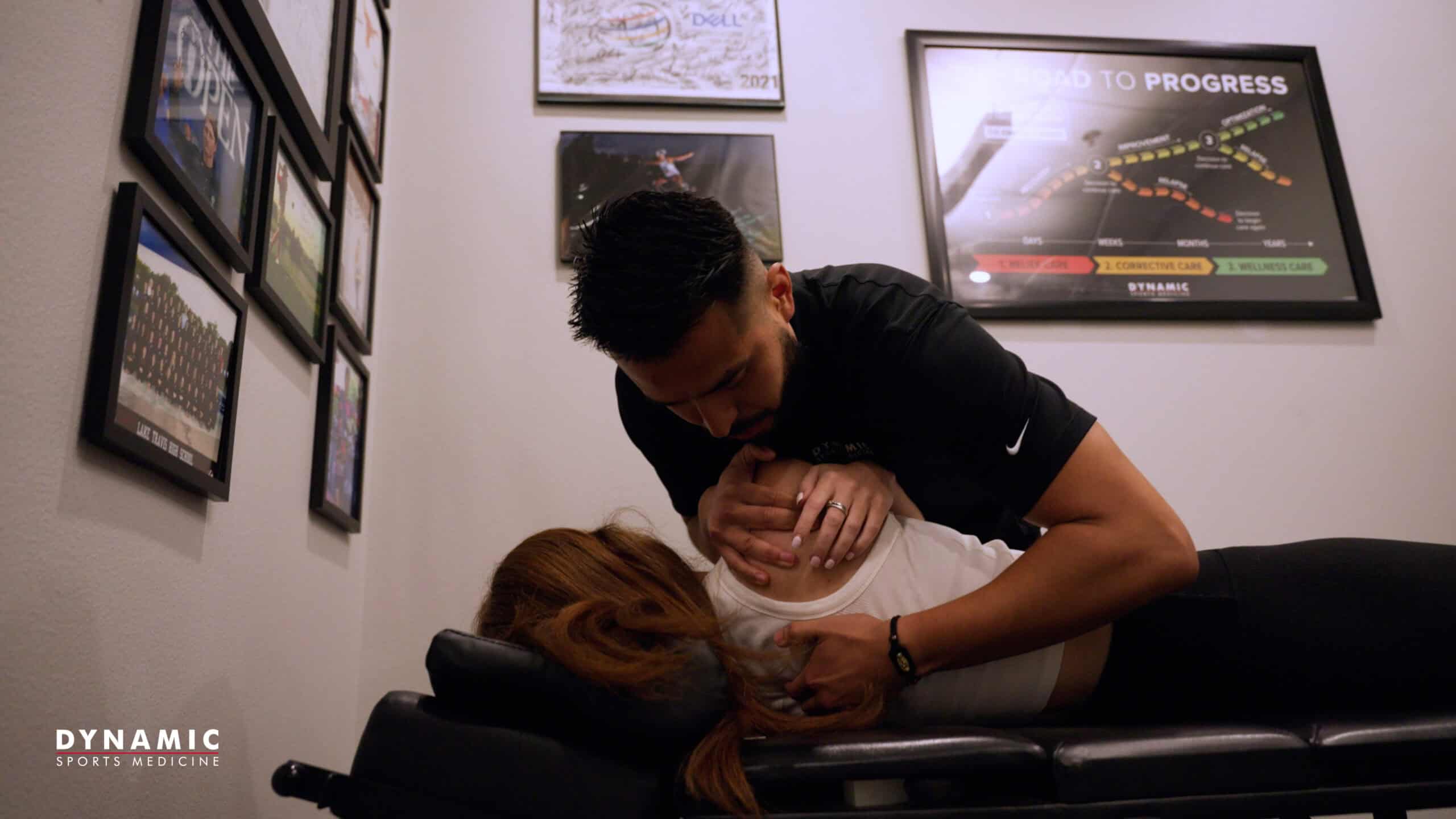
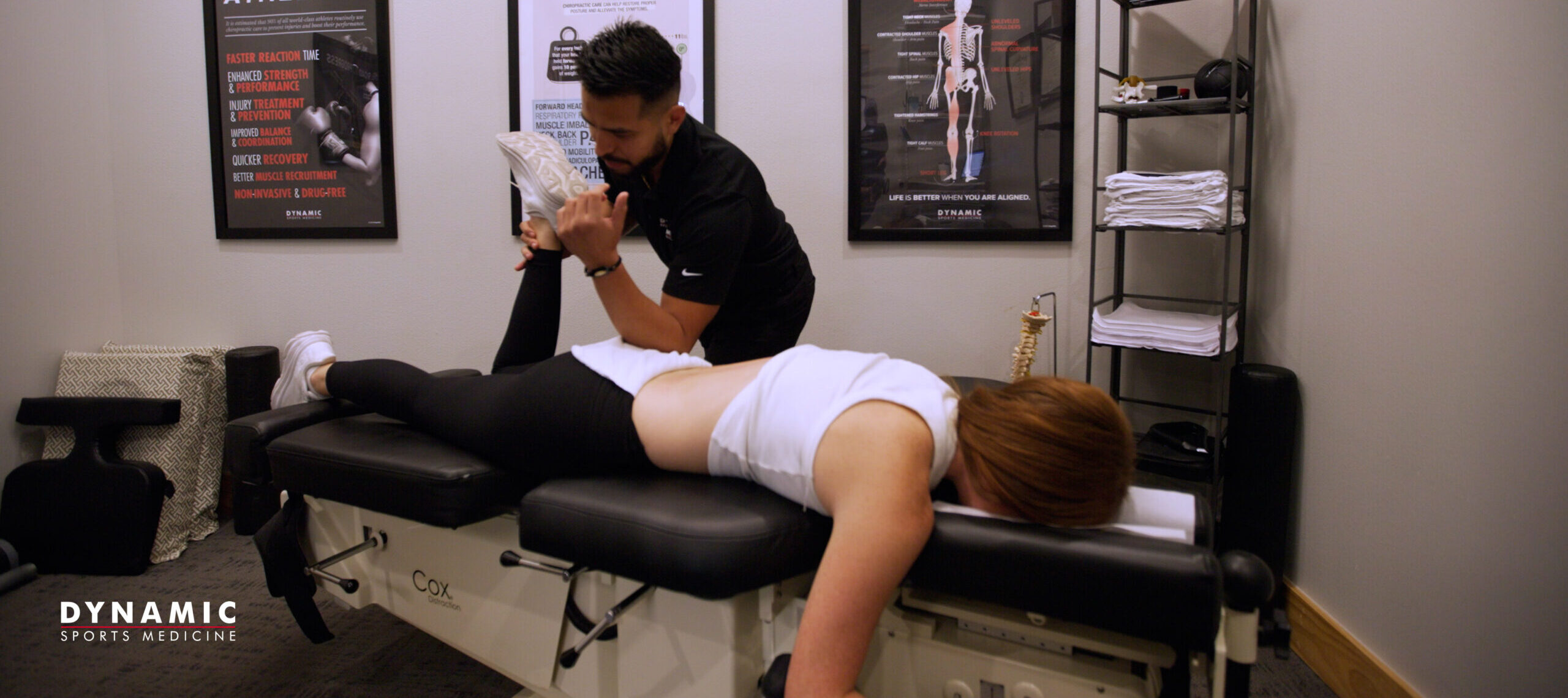
Chiropractic Hip & Pelvic Adjustment
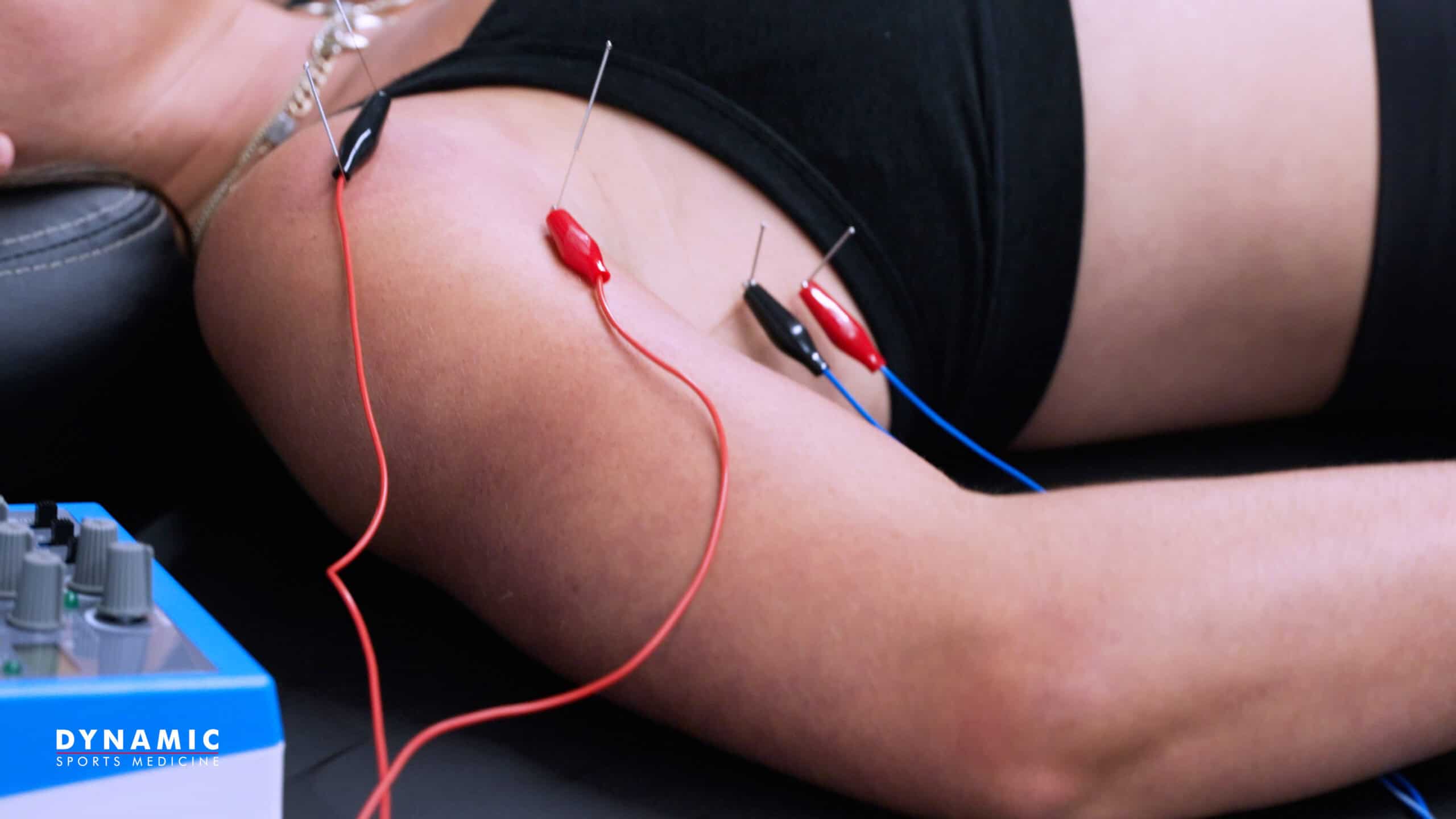
Dry Needling
Myofascial Release
Functional Rehabilitation
Recovery & Rehabilitation
Most hip conditions respond well to 4-8 weeks of treatment. Your care plan will focus on pain relief, restoring full range of motion, and building hip stability and strength to prevent recurrence. Activity modifications during treatment keep you as active as possible while healing.
Frequently Asked Questions
Yes. Lower back and sacroiliac joint dysfunction are common sources of referred hip pain. A thorough evaluation at DSM will determine whether your hip pain originates from the hip itself or from the lumbar spine.
Hip pain is common in runners but not normal. It usually indicates a biomechanical issue, muscle imbalance, or overuse injury that should be addressed to prevent progression and keep you running long-term.
Related Services
Ready to Get Relief?
Schedule your appointment with our specialists to discuss your treatment options.
Book Now