
Knee Pain
Comprehensive treatment for knee pain in athletes and active individuals
Understanding Knee Pain
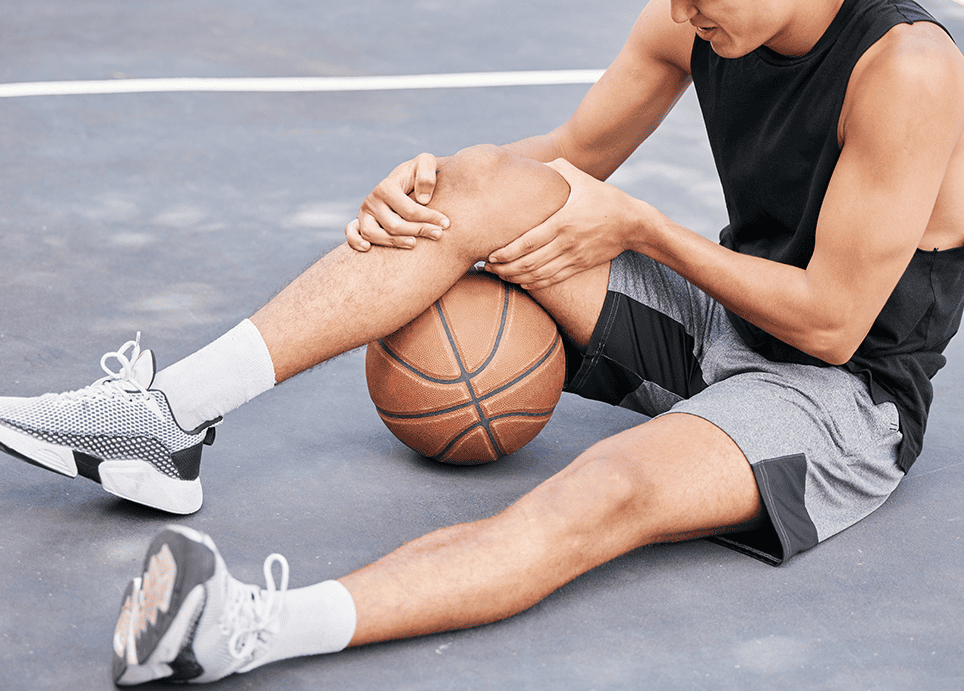
Knee pain is extremely common among athletes, runners, and active adults. Whether your pain is from a ligament sprain, meniscus issue, patellar tendinitis, or general overuse, it can severely limit your ability to train, compete, and even perform daily activities like climbing stairs.
At DSM, we go beyond treating the symptom — we assess your entire kinetic chain (ankles, hips, core) to identify why your knee is taking excessive stress and build a treatment plan that addresses the root cause for lasting relief.
Symptoms
- Pain at the front, sides, or back of the knee
- Swelling or stiffness
- Popping or clicking sounds
- Feeling of instability or the knee giving way
- Pain going up or down stairs
- Difficulty fully straightening or bending the knee
- Pain that increases with activity and improves with rest
Common Causes
Patellar Tendinitis (Jumper's Knee)
Overuse of the patellar tendon from jumping, running, or squatting activities causes inflammation and pain at the front of the knee.
IT Band Syndrome (Runner's Knee)
Tightness in the iliotibial band creates friction on the outside of the knee, common in runners and cyclists.
Ligament Sprains (ACL, MCL)
Sudden pivoting, cutting, or direct impact can sprain or tear the knee ligaments, causing instability and pain.
Meniscus Injury
Twisting or deep squatting can damage the meniscus cartilage, causing pain, swelling, and locking sensations.
Patellofemoral Syndrome
Misalignment or muscle imbalances cause the kneecap to track improperly, creating pain around and behind the kneecap.
When to Seek Treatment
Seek treatment if your knee pain persists beyond a few days, if you experience swelling, instability, locking, or if the pain limits your ability to walk, exercise, or perform daily activities. Early evaluation can prevent minor issues from becoming chronic conditions.
Treatment Options
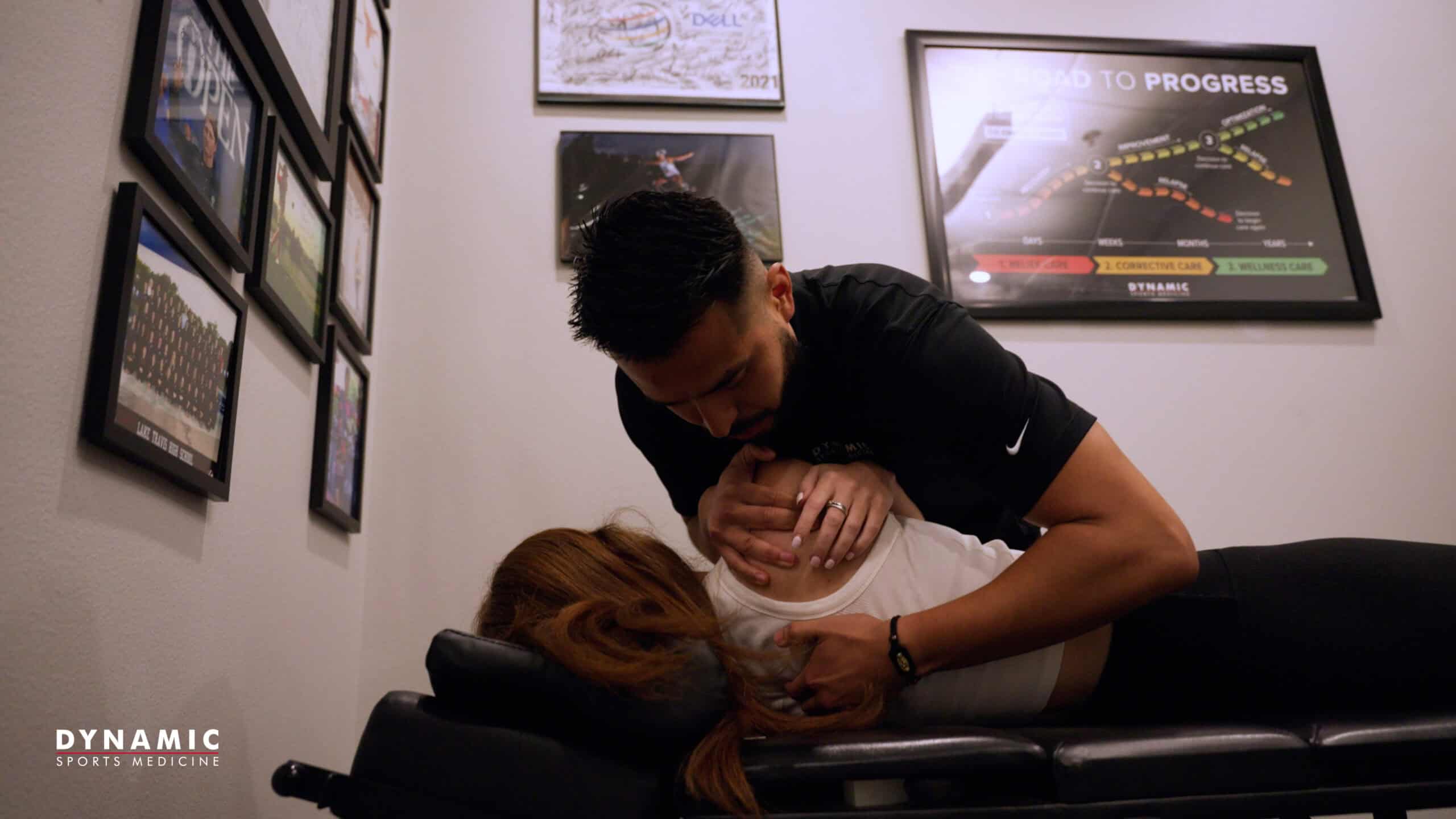
Extremity Adjustment
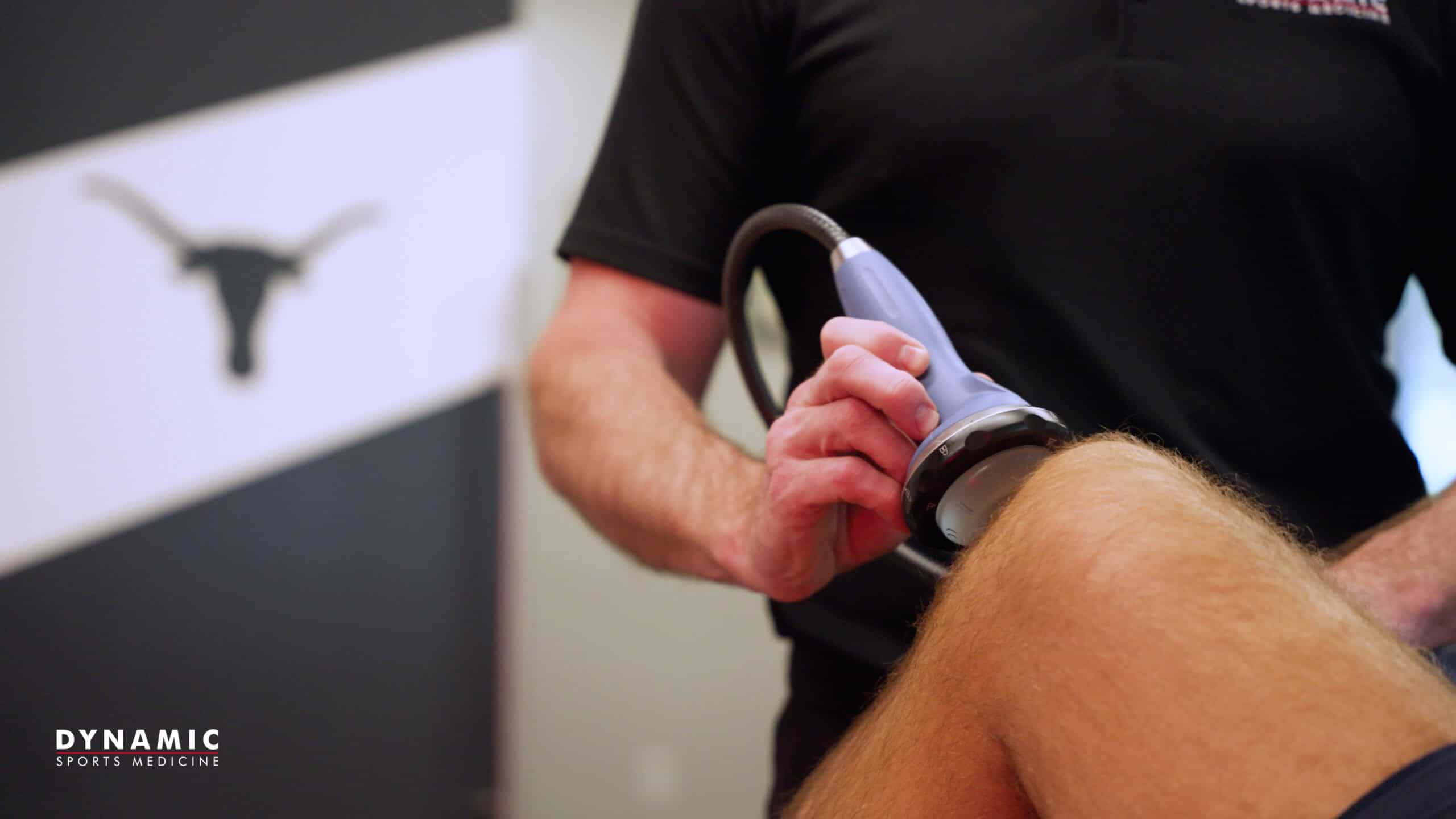
Shockwave Therapy (MYACT)
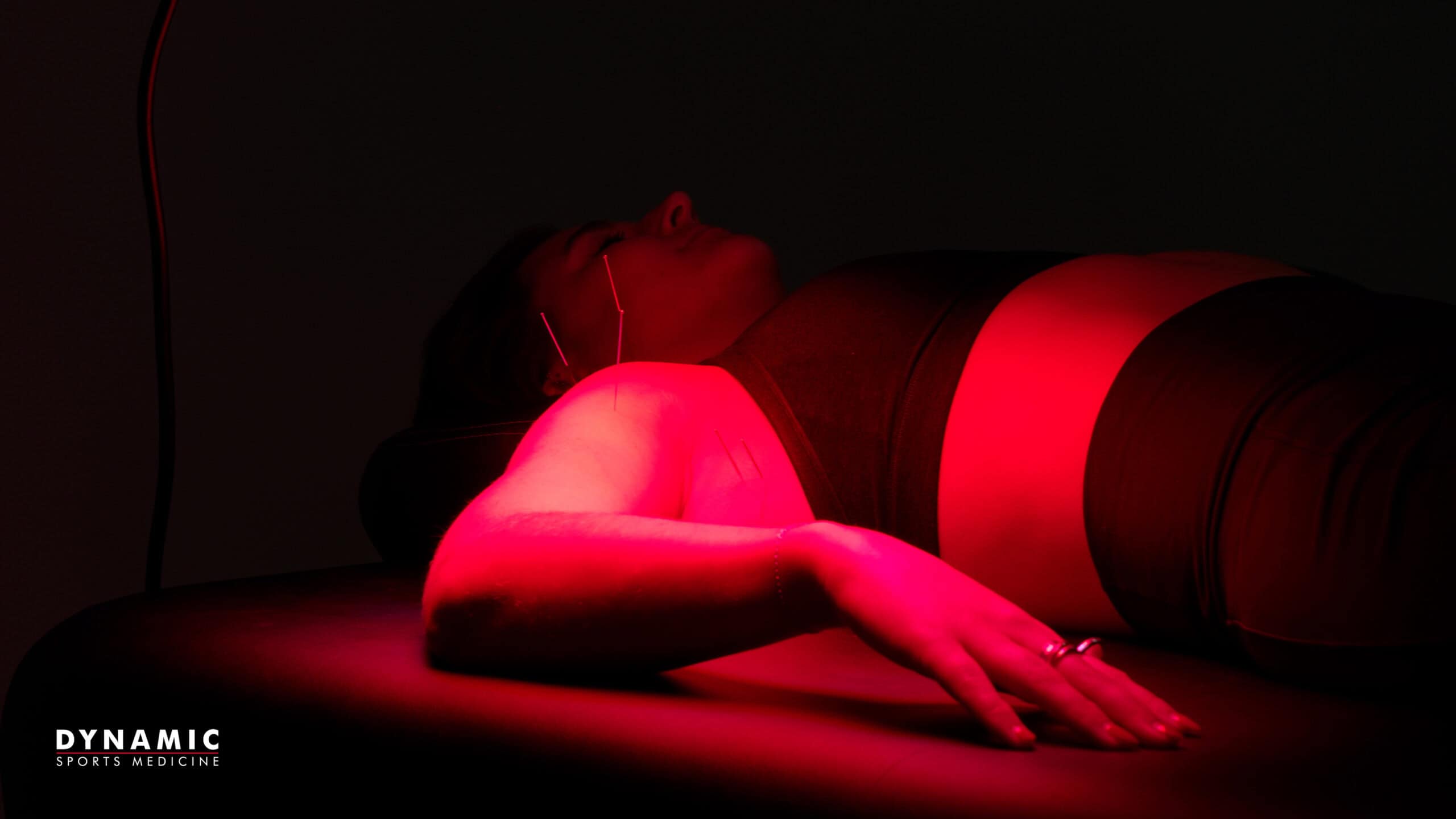
Dry Needling
Functional Rehabilitation
Recovery & Rehabilitation
Recovery time varies by condition. Tendinitis and IT band issues often improve within 3-6 weeks. Ligament sprains may require 6-12 weeks of rehabilitation. Your DSM provider will set clear milestones and progress your treatment as you improve, with the goal of returning you to full activity safely.
Frequently Asked Questions
It depends on the cause. Some knee conditions benefit from modified running, while others require a temporary break. Your DSM provider will assess your specific condition and advise whether running is safe, and what modifications may help.
Not always. Many knee conditions can be accurately diagnosed through clinical examination. If advanced imaging is needed, your DSM provider will refer you for an MRI and work with you to interpret the results and guide treatment.
Yes. Chiropractors trained in extremity adjustments can improve knee joint mechanics, and the whole-body approach addresses hip and ankle dysfunction that often contributes to knee pain.
Related Services
Ready to Get Relief?
Schedule your appointment with our specialists to discuss your treatment options.
Book Now