
Patellar Tendinitis
Treatment for jumper's knee and patellar tendon pain
Understanding Patellar Tendinitis
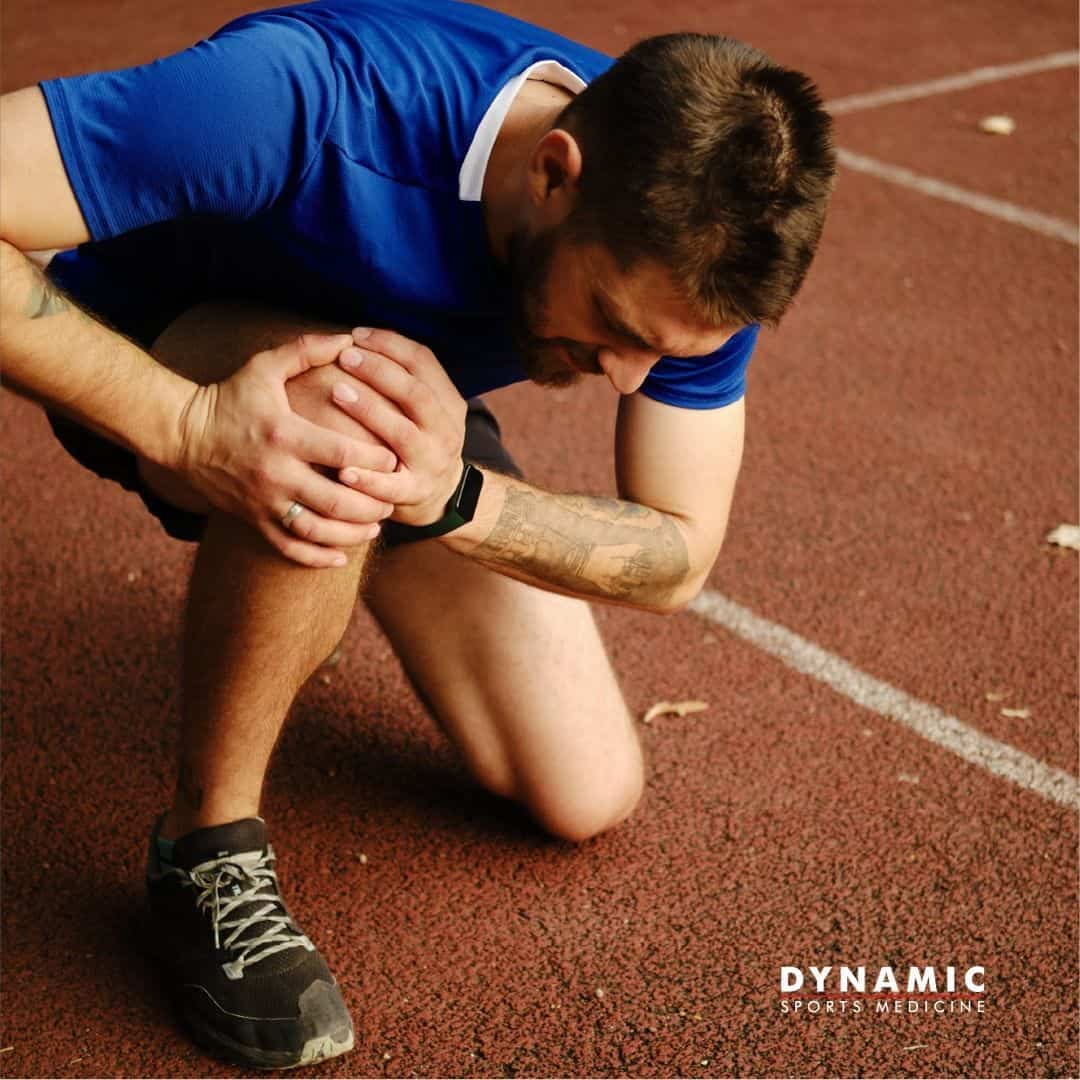
Patellar tendinitis — commonly known as jumper’s knee — is an overuse injury affecting the tendon connecting the kneecap to the shinbone. It’s extremely common in basketball players, volleyball players, runners, and anyone who performs repetitive jumping, squatting, or sprinting.
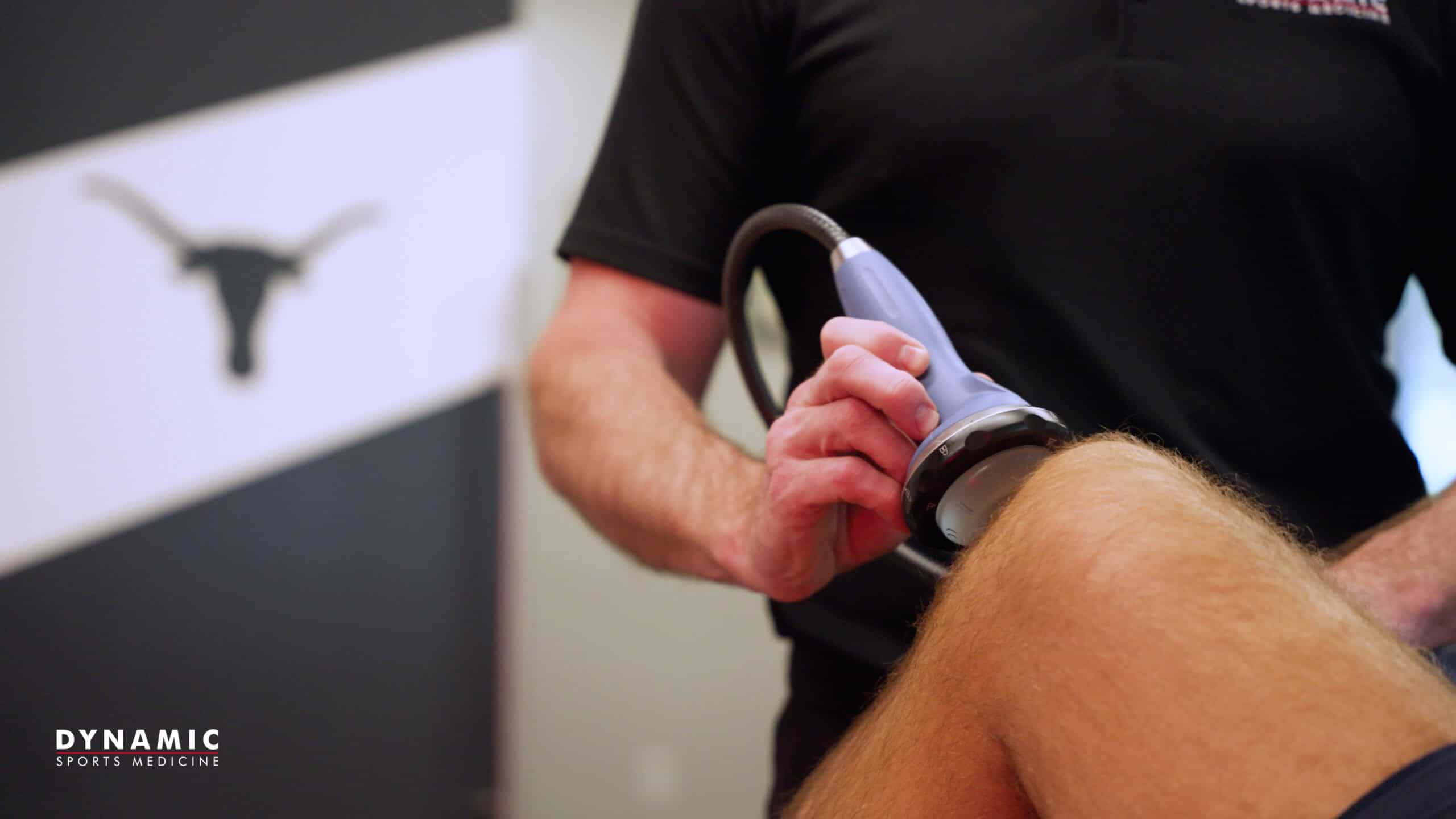
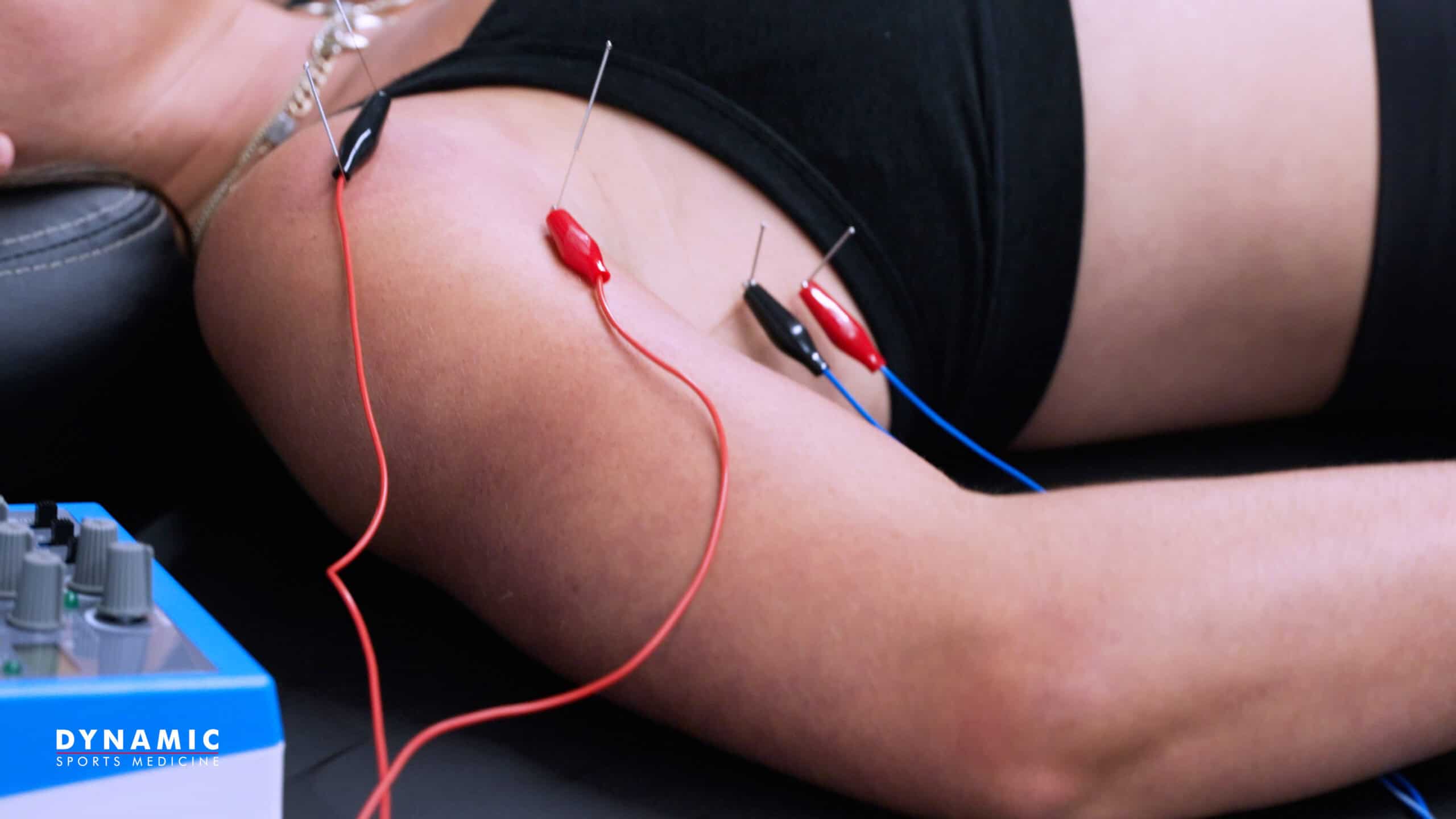
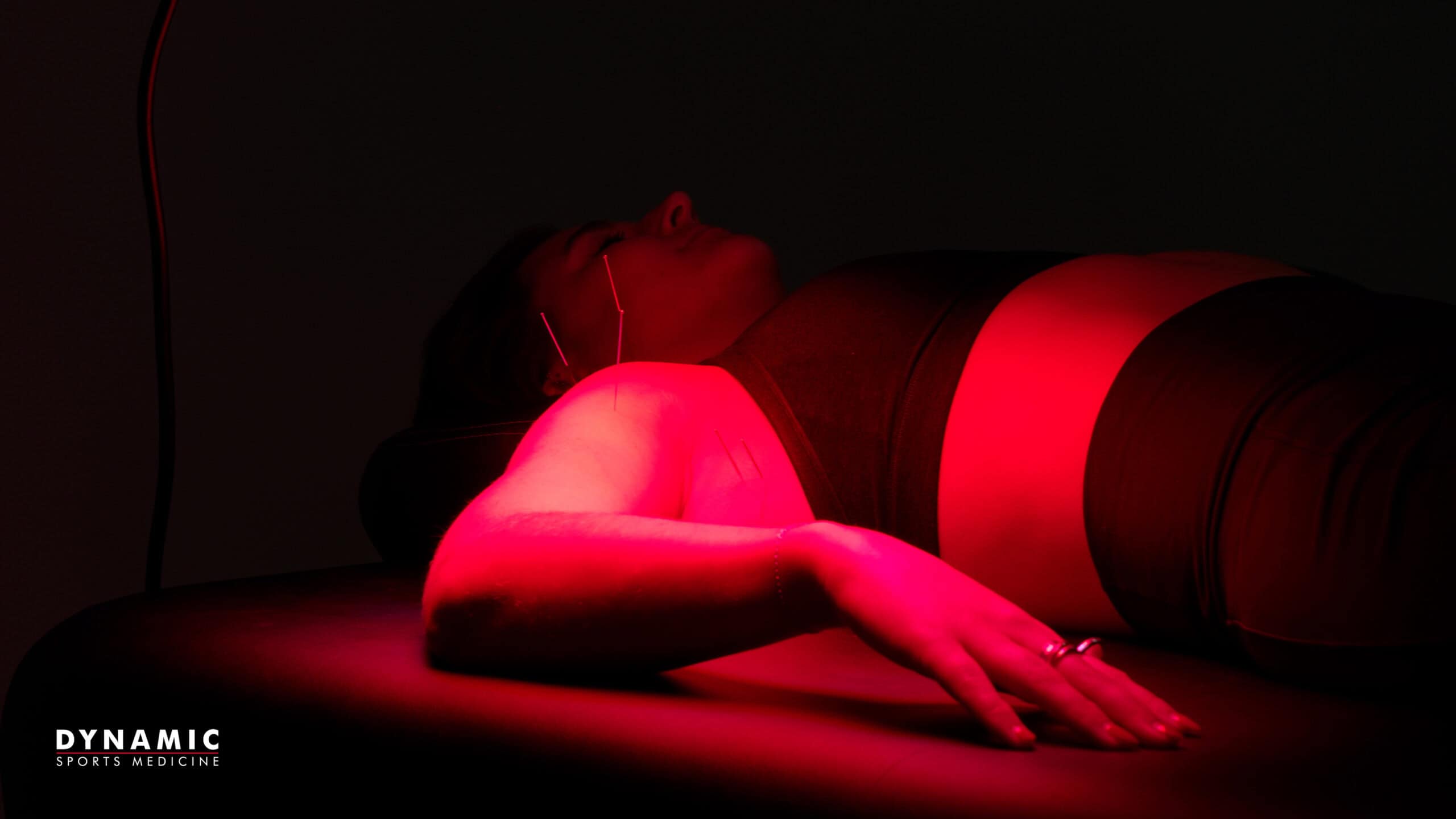
At DSM, we combine shockwave therapy, dry needling, and eccentric strengthening to heal the damaged tendon and correct the biomechanical factors that caused the overload. Our approach gets athletes back to jumping and running faster than rest alone.
Symptoms
- Pain directly below the kneecap
- Pain with jumping, squatting, or going up/down stairs
- Stiffness after sitting for long periods
- Tenderness when pressing on the patellar tendon
- Pain that worsens with activity intensity
- Swelling around the kneecap
Common Causes
Repetitive Jumping & Landing
Basketball, volleyball, and track and field athletes place enormous stress on the patellar tendon with every jump and landing.
Sudden Increase in Training Volume
Rapid increases in running mileage, jump training, or squat volume can overload the tendon before it can adapt.
Quadriceps & Hamstring Imbalances
Muscle imbalances around the knee alter loading patterns and increase stress on the patellar tendon.
Poor Landing Mechanics
Landing with stiff legs or excessive knee valgus (inward collapse) concentrates force through the patellar tendon.
When to Seek Treatment
Seek treatment at the first signs of patellar tendon pain. Continuing to train through jumper’s knee without treatment allows the tendon to degenerate further, making recovery significantly longer. Early intervention is critical.
Treatment Options
Shockwave Therapy (MYACT)
Dry Needling
Eccentric Strengthening
Cupping & Myofascial Release
Recovery & Rehabilitation
Patellar tendinitis recovery typically takes 6-12 weeks with consistent treatment and rehabilitation. Athletes can often continue modified training during recovery. The key is progressive loading — your provider will guide the return to full activity based on how the tendon responds.
Frequently Asked Questions
In many cases, activity can continue with modifications (reduced jumping volume, load management). Complete rest is rarely the best approach. Your DSM provider will help you manage training load while the tendon heals.
Yes. With proper treatment, tendon loading programs, and addressing the underlying causes, patellar tendinitis can fully resolve. The key is not just resting, but actively rehabilitating the tendon to rebuild its capacity.
Related Services
Ready to Get Relief?
Schedule your appointment with our specialists to discuss your treatment options.
Book Now