
Plantar Fasciitis
Effective treatment for heel and foot pain from plantar fasciitis
Understanding Plantar Fasciitis
Plantar fasciitis is the most common cause of heel pain, affecting runners, athletes, and anyone who spends long periods on their feet. It occurs when the thick band of tissue (plantar fascia) running along the bottom of the foot becomes inflamed, causing stabbing pain — especially with the first steps in the morning.
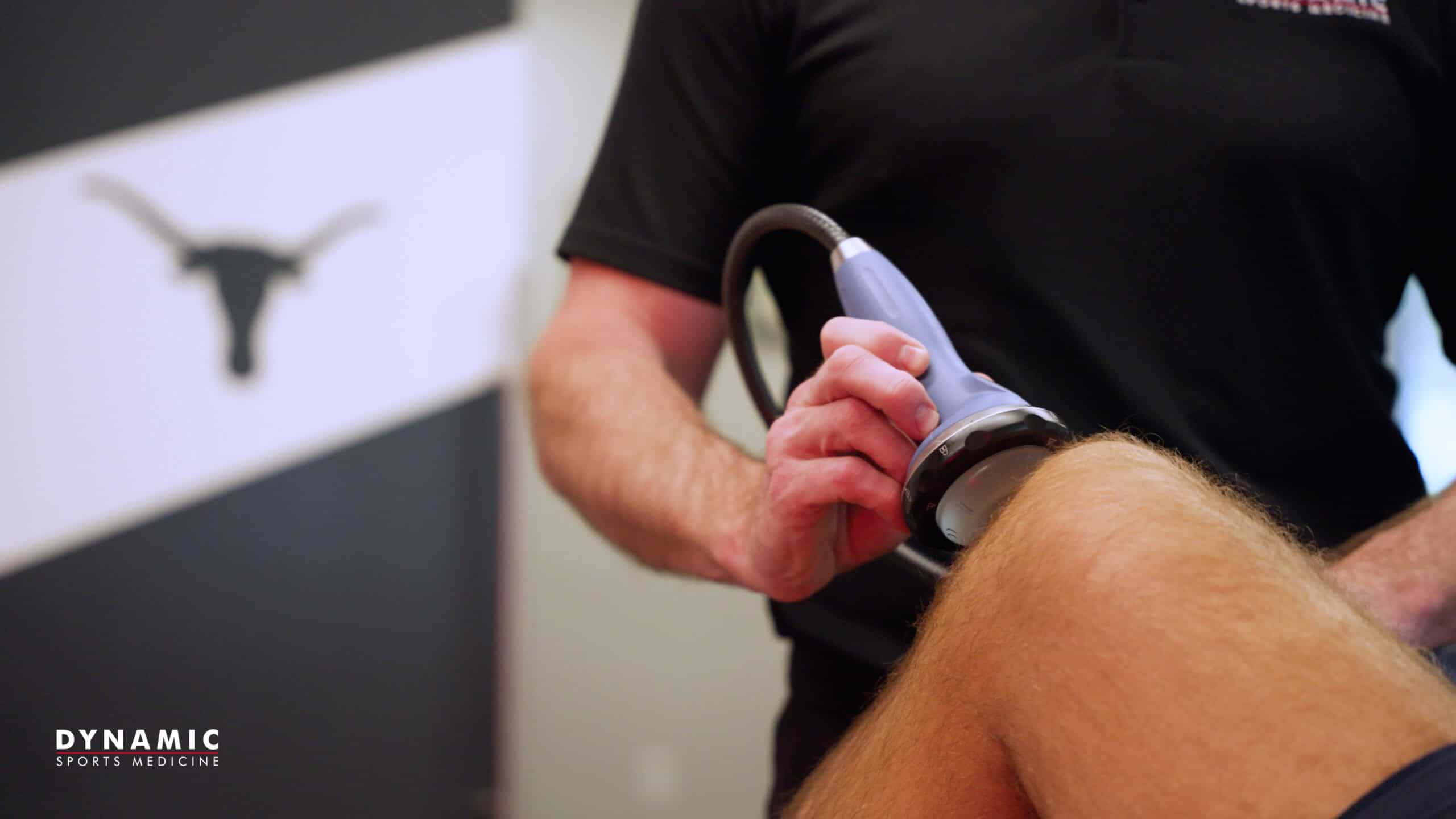
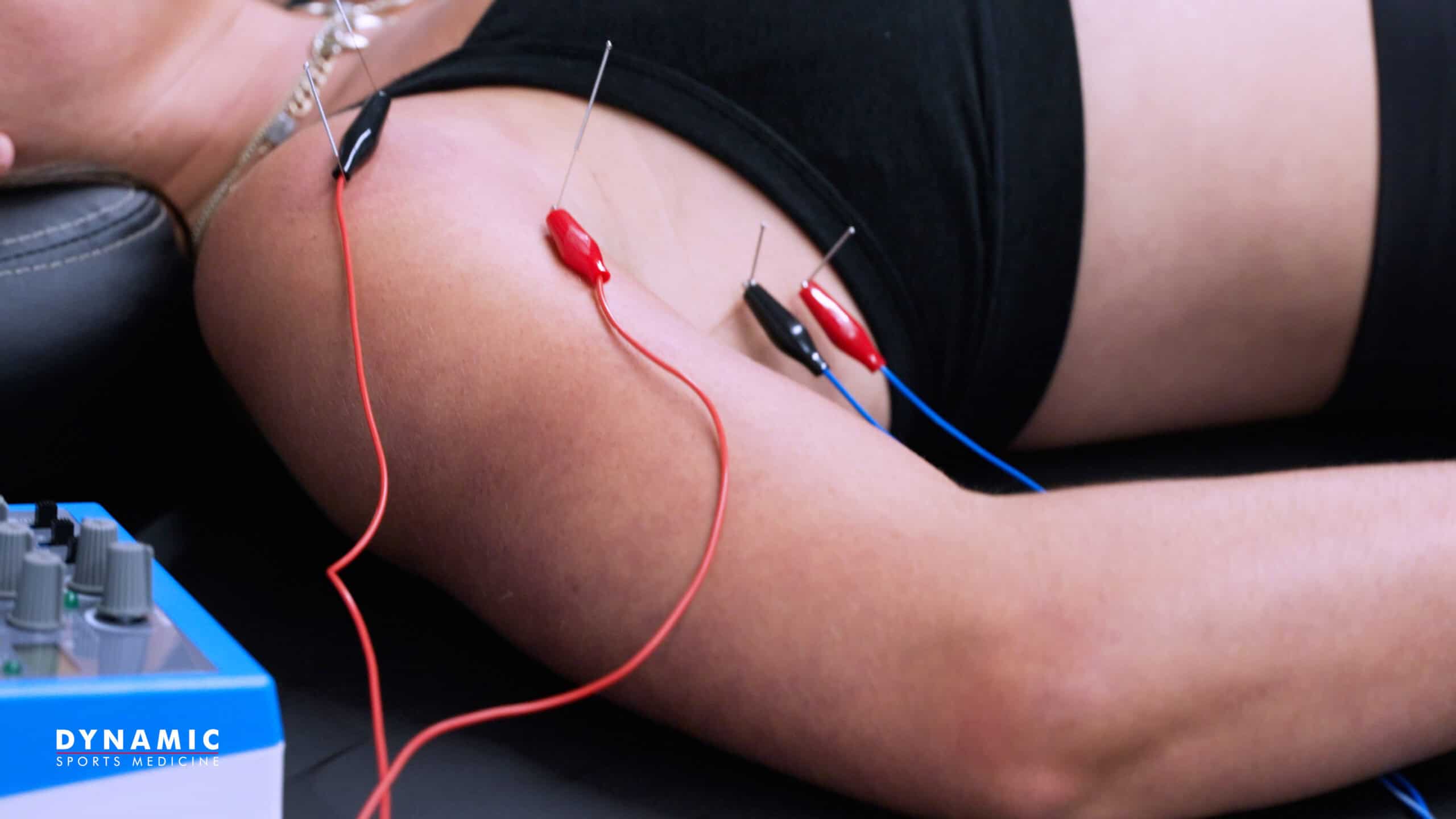
At DSM, we combine hands-on treatment with advanced therapies like shockwave and dry needling to resolve plantar fasciitis faster than rest alone. We also address the biomechanical factors — calf tightness, ankle mobility, hip weakness — that caused the condition in the first place.

Symptoms
- Sharp, stabbing heel pain with first steps in the morning
- Pain that improves with movement but returns after rest
- Tenderness on the bottom of the heel
- Pain that worsens after (not during) exercise
- Stiffness and pain along the arch of the foot
- Limping or altered gait to avoid heel pressure
Common Causes
Overuse & High-Impact Activity
Running, jumping, and prolonged standing create repetitive stress on the plantar fascia, leading to micro-tears and inflammation.
Tight Calf Muscles
Restricted ankle dorsiflexion from tight calves increases strain on the plantar fascia during walking and running.
Poor Foot Mechanics
Flat feet, high arches, or abnormal gait patterns distribute force unevenly across the foot, overloading the plantar fascia.
Sudden Increase in Activity
Ramping up mileage, starting a new training program, or switching to unsupportive footwear can trigger plantar fasciitis.
When to Seek Treatment
If heel pain persists for more than a week, interferes with walking or exercise, or doesn’t improve with basic stretching and rest, seek treatment. Plantar fasciitis that goes untreated often becomes chronic and significantly harder to resolve.
Treatment Options
Shockwave Therapy (MYACT)
Dry Needling
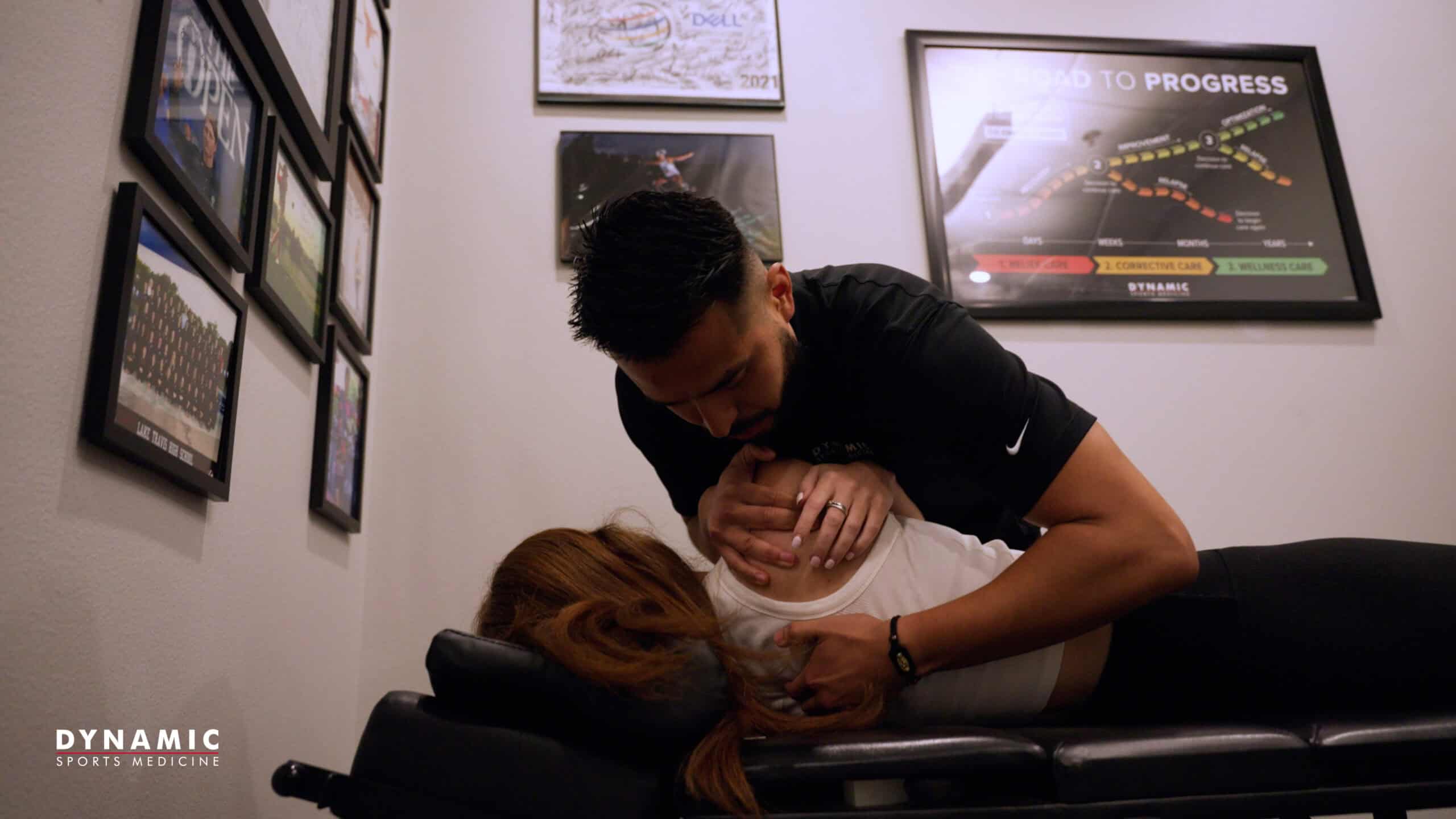
Chiropractic Foot & Ankle Adjustment
Myofascial Release
Recovery & Rehabilitation
With treatment, most plantar fasciitis cases improve significantly within 3-6 weeks. Chronic cases (6+ months of symptoms) may take longer. Your treatment plan will include calf stretching, eccentric exercises, and footwear recommendations to support long-term resolution.
Frequently Asked Questions
In many cases, running can continue with modifications — reduced mileage, proper footwear, and consistent treatment. Your DSM provider will assess whether running is appropriate for your specific stage of healing.
Yes. Multiple clinical studies have shown shockwave therapy to be one of the most effective conservative treatments for plantar fasciitis, with success rates above 80%. DSM uses advanced acoustic compression technology for this treatment.
Some mild cases resolve on their own, but many become chronic without treatment. Active intervention resolves plantar fasciitis much faster and prevents compensatory injuries from developing in the ankles, knees, and hips.
Related Services

Ready to Get Relief?
Schedule your appointment with our specialists to discuss your treatment options.
Book Now