
Sciatica
Relief from sciatic nerve pain radiating down the leg
Understanding Sciatica
Sciatica refers to pain that radiates along the path of the sciatic nerve — from the lower back through the hip and buttock and down the leg. It typically affects one side of the body and can range from a mild ache to sharp, burning pain that makes it difficult to stand or walk.
At Dynamic Sports Medicine, we identify the specific cause of your sciatic nerve compression and create a treatment plan that provides both immediate relief and long-term resolution. Our combination of spinal decompression, chiropractic care, and targeted rehabilitation has helped thousands of patients avoid surgery and return to pain-free activity.

Symptoms
- Pain radiating from the lower back through the buttock and down the leg
- Sharp, burning, or electric-shock-like pain
- Numbness or tingling in the leg or foot
- Weakness in the affected leg
- Pain that worsens with sitting
- Difficulty standing up from a seated position
- Pain typically affecting only one side of the body
Common Causes
Herniated Lumbar Disc
The most common cause — a bulging or ruptured disc in the lower spine compresses the sciatic nerve root, sending pain down the leg.
Spinal Stenosis
Narrowing of the spinal canal in the lumbar region can compress the nerve roots that form the sciatic nerve.
Piriformis Syndrome
The piriformis muscle in the buttock can tighten or spasm, compressing the sciatic nerve as it passes beneath or through the muscle.
Degenerative Disc Disease
Age-related disc degeneration reduces disc height and can lead to nerve compression in the lower spine.
When to Seek Treatment
Seek immediate treatment if you experience sudden severe sciatica, progressive leg weakness, or loss of bladder or bowel control (which is rare but requires emergency care). For typical sciatica symptoms, early treatment leads to significantly faster recovery and reduces the risk of chronic nerve pain.
Treatment Options
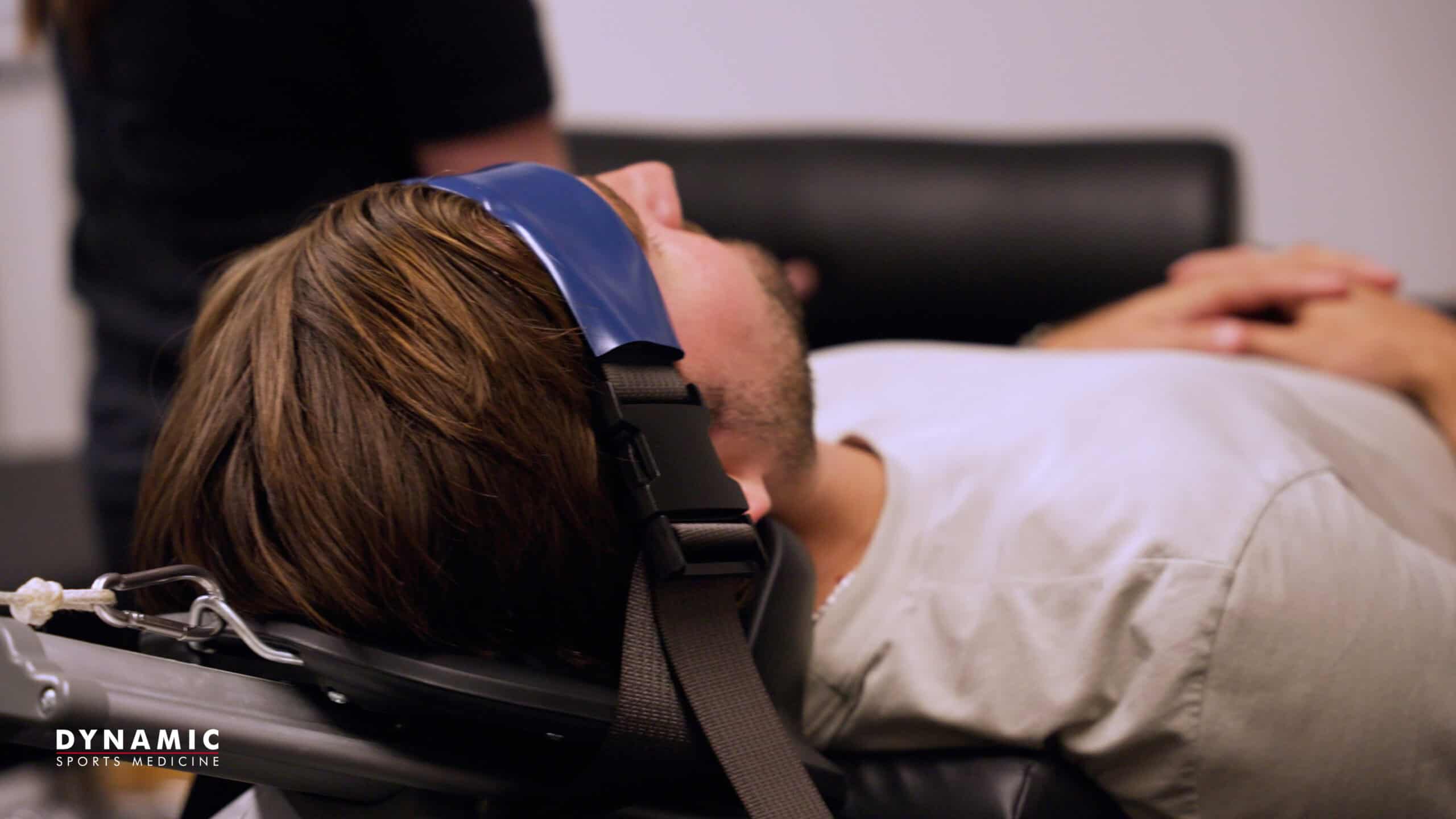
Spinal Decompression
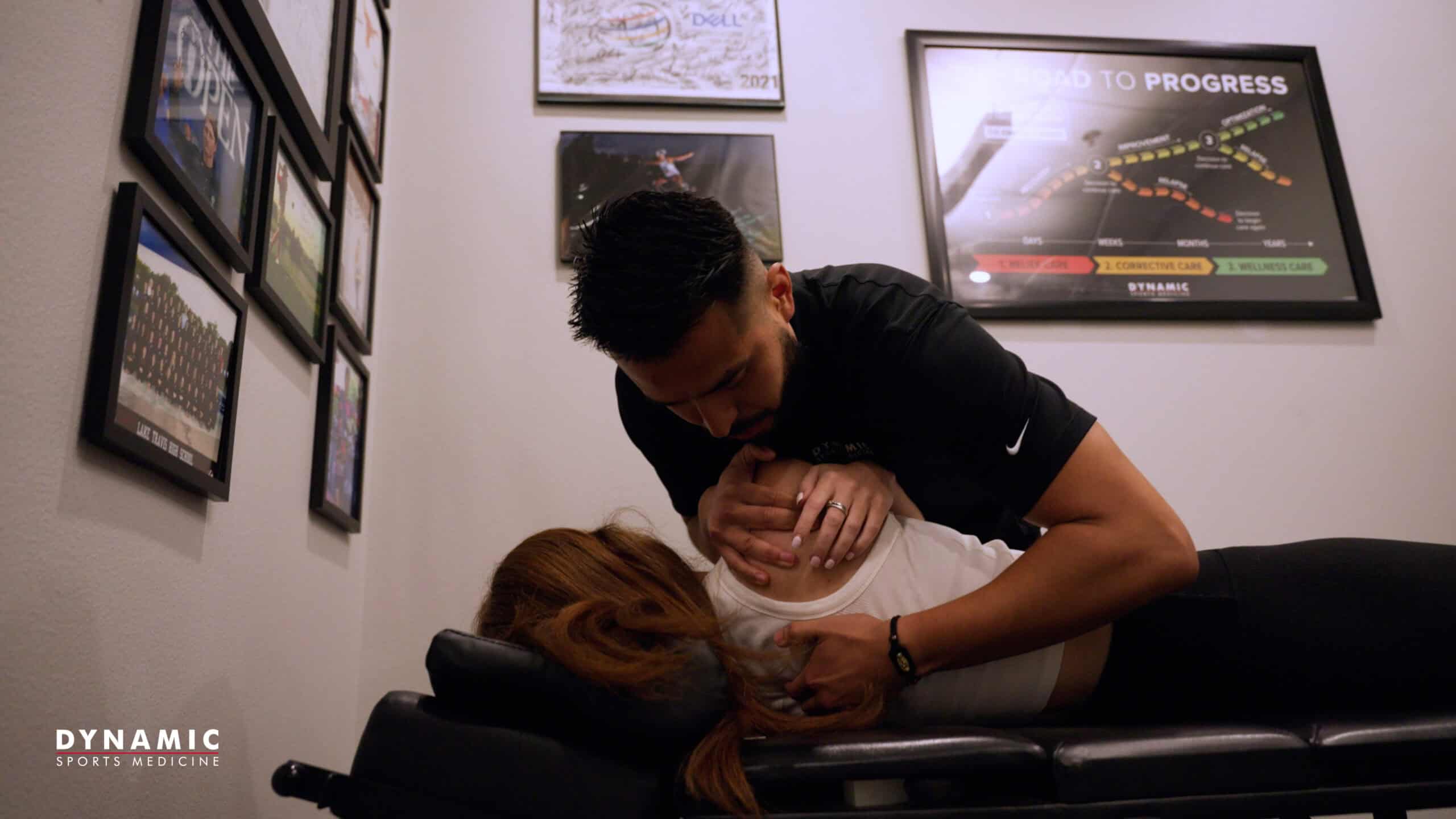
Chiropractic Adjustment
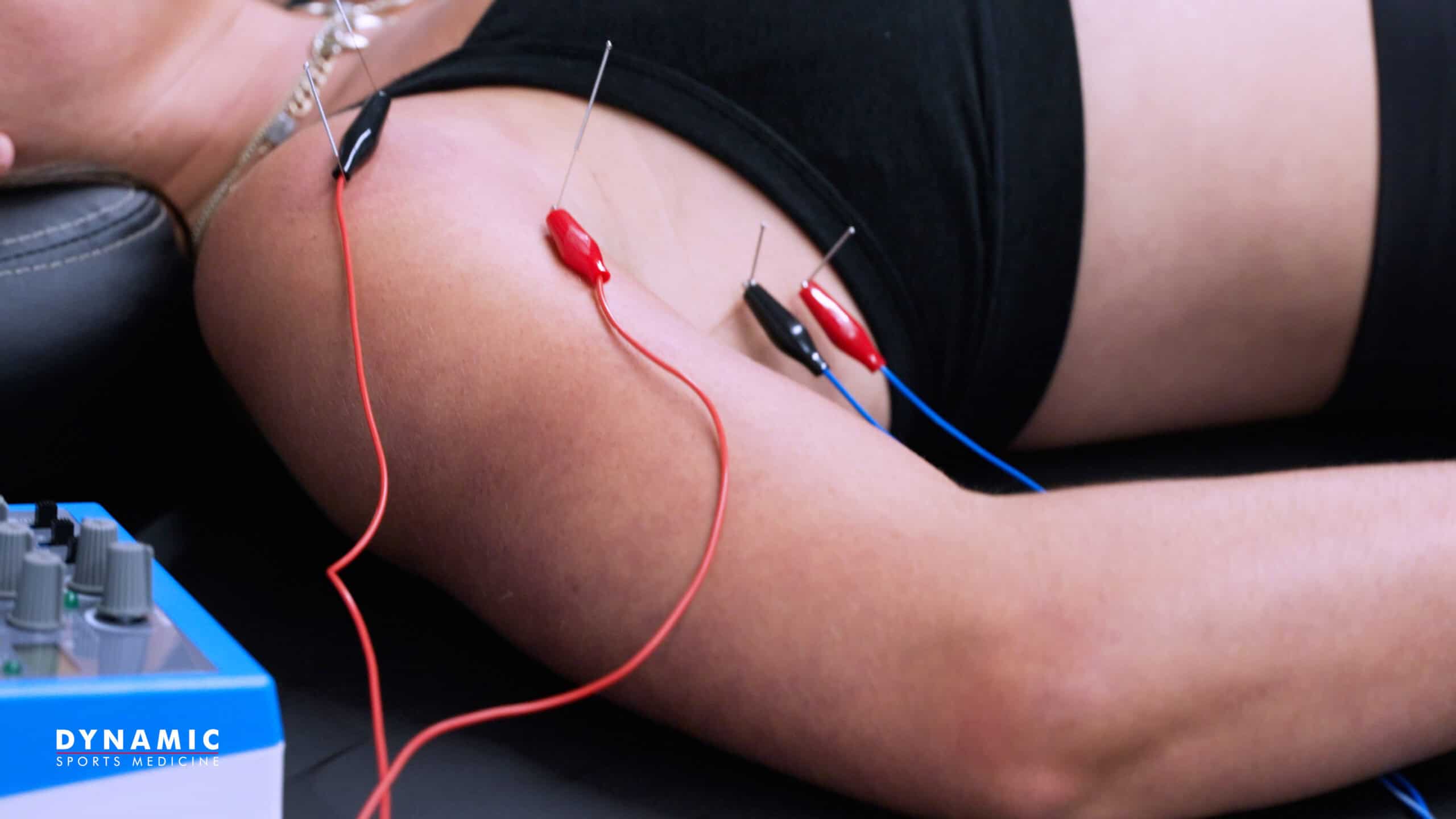
Dry Needling
PEMF Therapy
Recovery & Rehabilitation
Many patients experience significant relief within the first few treatment sessions. Full resolution of sciatica typically takes 4-12 weeks depending on the underlying cause. Disc-related sciatica may require a longer treatment course with spinal decompression. Your provider will build a progressive rehabilitation program to prevent recurrence.
Frequently Asked Questions
Mild sciatica may improve with time, but most cases benefit from professional treatment. Without addressing the underlying cause, sciatica often becomes recurrent or chronic. Treatment accelerates recovery and prevents the condition from worsening.
Yes. Spinal decompression is one of the most effective non-surgical treatments for disc-related sciatica. It reduces pressure on the herniated disc and compressed nerve, providing both pain relief and conditions for natural healing.
Specific exercises can help relieve sciatica, but the wrong movements can make it worse. Your DSM provider will prescribe safe exercises and stretches tailored to your specific cause of sciatica.
Related Services

Ready to Get Relief?
Schedule your appointment with our specialists to discuss your treatment options.
Book Now