
Shoulder Impingement
Diagnosis and treatment for shoulder impingement syndrome
Understanding Shoulder Impingement
Shoulder impingement occurs when the tendons of the rotator cuff become compressed as they pass through the subacromial space in the shoulder. This causes pain with overhead movements, reaching behind your back, and sleeping on the affected side.
It’s one of the most common shoulder conditions we treat at DSM, particularly in overhead athletes (swimmers, baseball players, tennis players) and people who perform repetitive overhead work. Left untreated, impingement can progress to rotator cuff tears and chronic shoulder dysfunction.

Symptoms
- Pain with reaching overhead or behind the back
- Pain when sleeping on the affected shoulder
- Weakness when lifting or rotating the arm
- A catching or clicking sensation in the shoulder
- Pain at the front or side of the shoulder
- Difficulty with daily tasks like getting dressed or reaching into cabinets
Common Causes
Repetitive Overhead Movements
Swimming, throwing, serving, and overhead pressing create repeated compression of the rotator cuff tendons against the acromion.
Poor Scapular Mechanics
Weakness or dysfunction in the muscles that control the shoulder blade reduces the subacromial space and increases impingement risk.
Rotator Cuff Weakness
When the rotator cuff muscles are weak, the humeral head migrates upward during arm elevation, compressing the tendons against the acromion.
Postural Dysfunction
Rounded shoulders and forward head posture alter shoulder mechanics and narrow the subacromial space.
When to Seek Treatment
If shoulder pain persists beyond a week, wakes you up at night, or limits your ability to perform overhead movements, seek evaluation. Early treatment of shoulder impingement prevents progression to rotator cuff tears and reduces overall recovery time.
Treatment Options
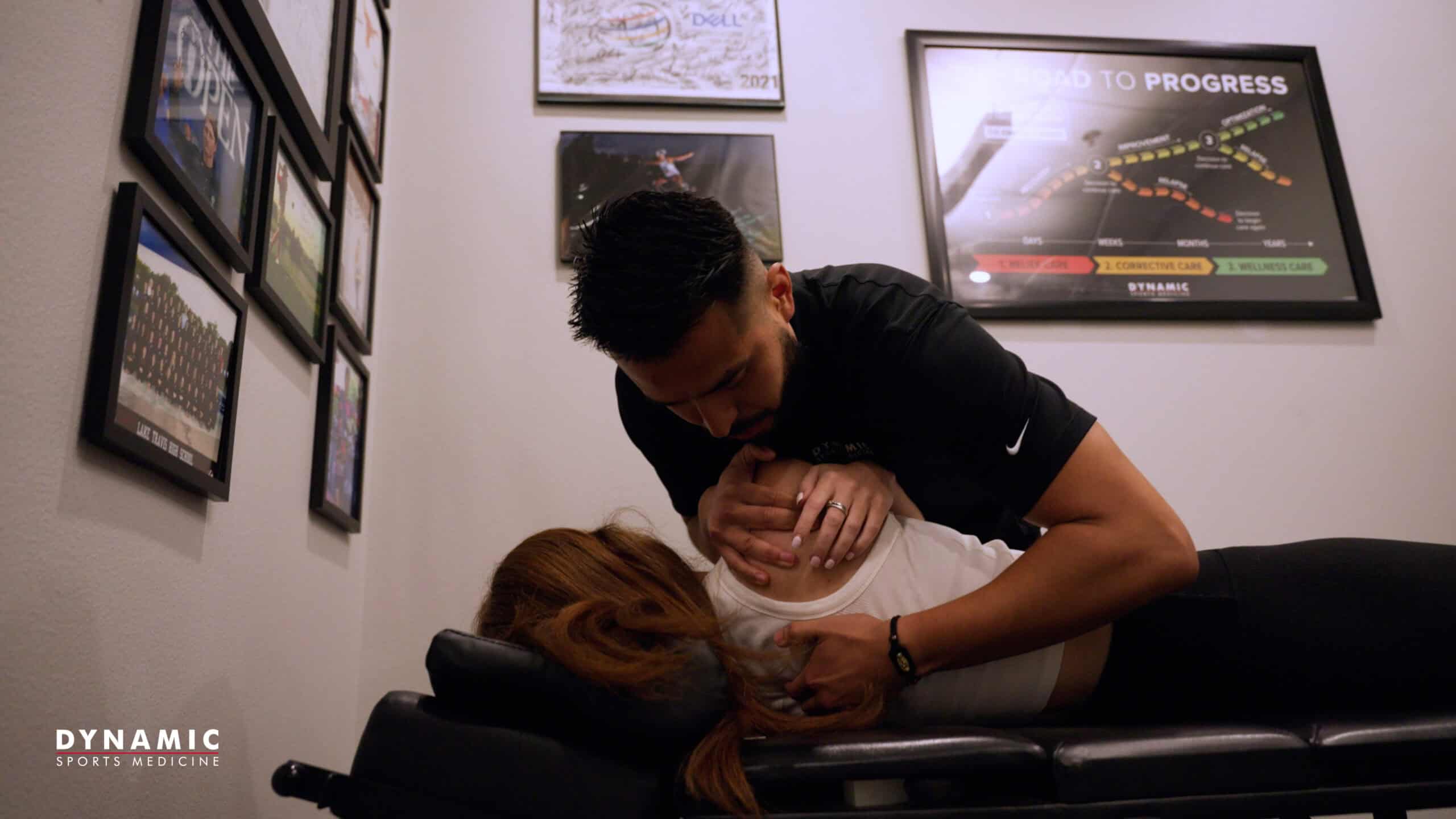
Chiropractic Shoulder Adjustment
Myofascial Release & ART
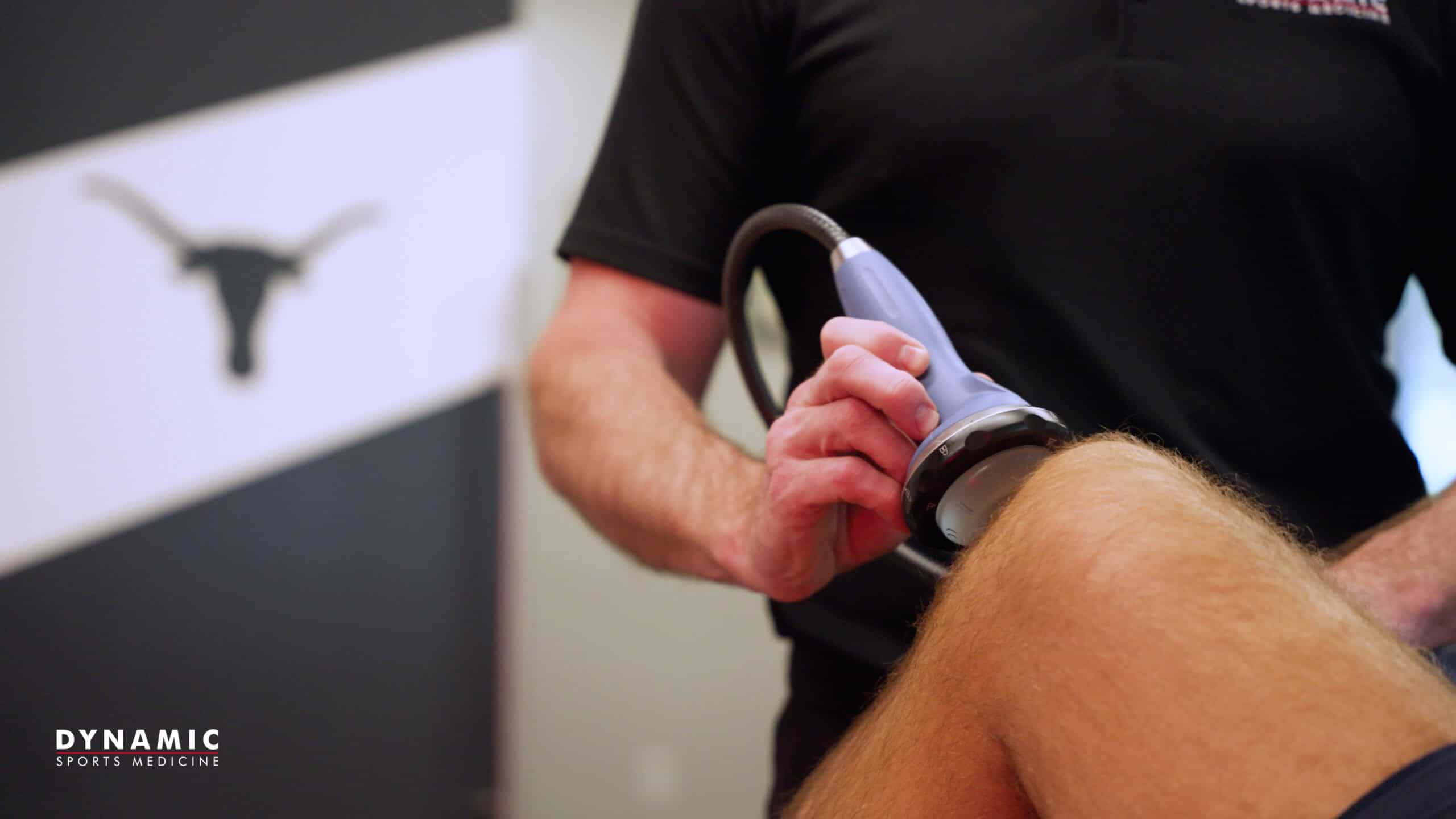
Shockwave Therapy (MYACT)
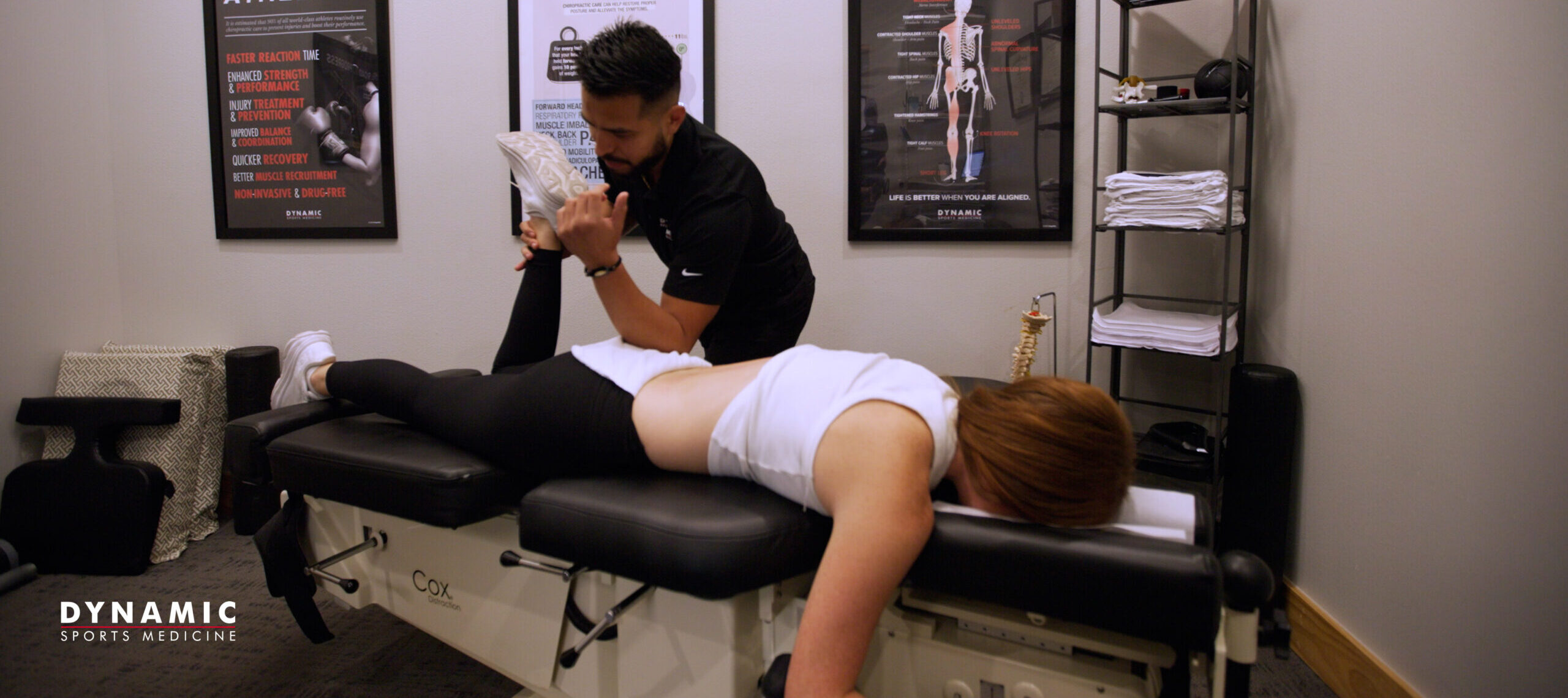
Rehabilitation Exercises
Recovery & Rehabilitation
Shoulder impingement typically improves within 4-8 weeks with consistent treatment and rehabilitation. Full return to overhead sports may take 8-12 weeks. Your DSM provider will guide you through each phase of recovery, from pain relief through performance-level strengthening.
Frequently Asked Questions
You can typically continue training with modifications. Your DSM provider will identify which movements to avoid temporarily and provide alternative exercises that allow you to stay active while the shoulder heals.
Most cases of shoulder impingement respond well to conservative treatment. Surgery is rarely needed. Chiropractic care, soft tissue work, and targeted rehabilitation resolve the majority of impingement cases without surgical intervention.
Impingement is compression and irritation of the rotator cuff tendons, while a tear is actual damage to the tendon tissue. Untreated impingement can progress to a tear over time, which is why early treatment is important.
Related Services
Ready to Get Relief?
Schedule your appointment with our specialists to discuss your treatment options.
Book Now