
Tennis Elbow
Treatment for lateral epicondylitis and elbow tendon pain
Understanding Tennis Elbow
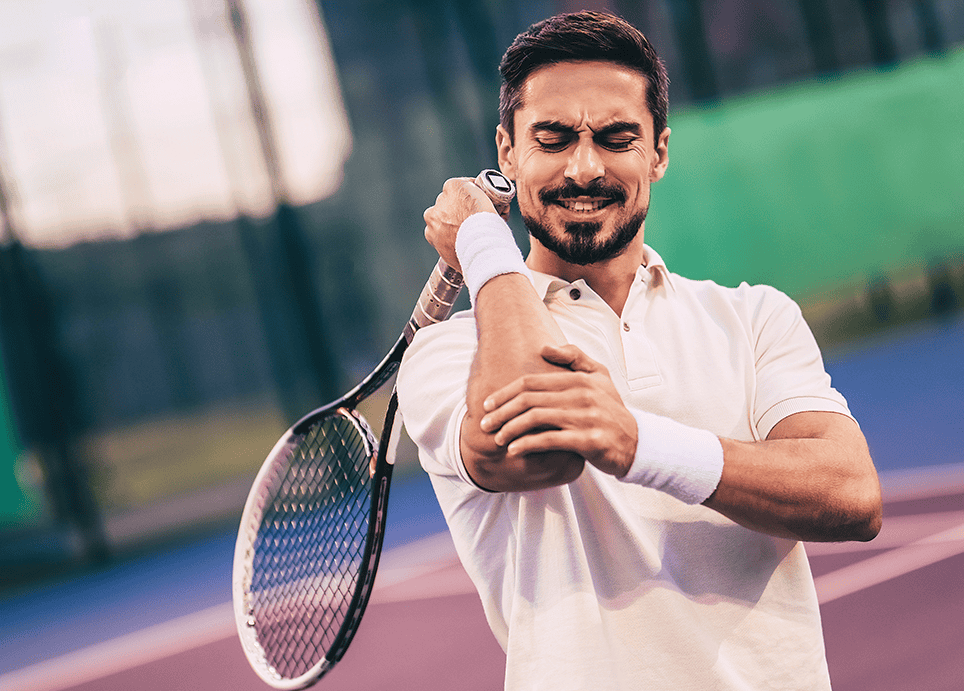
Tennis elbow (lateral epicondylitis) is a painful condition caused by overuse of the forearm muscles and tendons that attach to the outside of the elbow. Despite its name, it doesn’t just affect tennis players — it’s common in anyone who performs repetitive gripping, twisting, or lifting motions.
At Dynamic Sports Medicine, we use a combination of shockwave therapy, dry needling, and targeted rehabilitation to heal the damaged tendon tissue and restore pain-free grip strength. Our approach addresses both the local tendon damage and the upstream factors (shoulder, wrist, posture) that contribute to the condition.

Symptoms
- Pain on the outside of the elbow
- Weak grip strength
- Pain when shaking hands, turning a doorknob, or gripping objects
- Pain that worsens with forearm activity
- Tenderness to touch on the outer elbow
- Stiffness in the elbow, especially in the morning
Common Causes
Repetitive Gripping & Twisting
Repeated use of the wrist extensors during activities like tennis, golf, weightlifting, typing, and manual labor creates micro-tears in the tendon.
Poor Technique in Racquet Sports
Incorrect grip size, swing mechanics, or racquet tension can overload the forearm extensors and lead to tendon degeneration.
Workplace Ergonomics
Prolonged mouse use, assembly line work, or repeated tool use without proper breaks stresses the forearm tendons.
When to Seek Treatment
Seek treatment if elbow pain persists beyond 1-2 weeks, grip strength is noticeably weaker, or if pain interferes with work or daily activities. Chronic tennis elbow (3+ months) is much harder to resolve, so early intervention is key.
Treatment Options
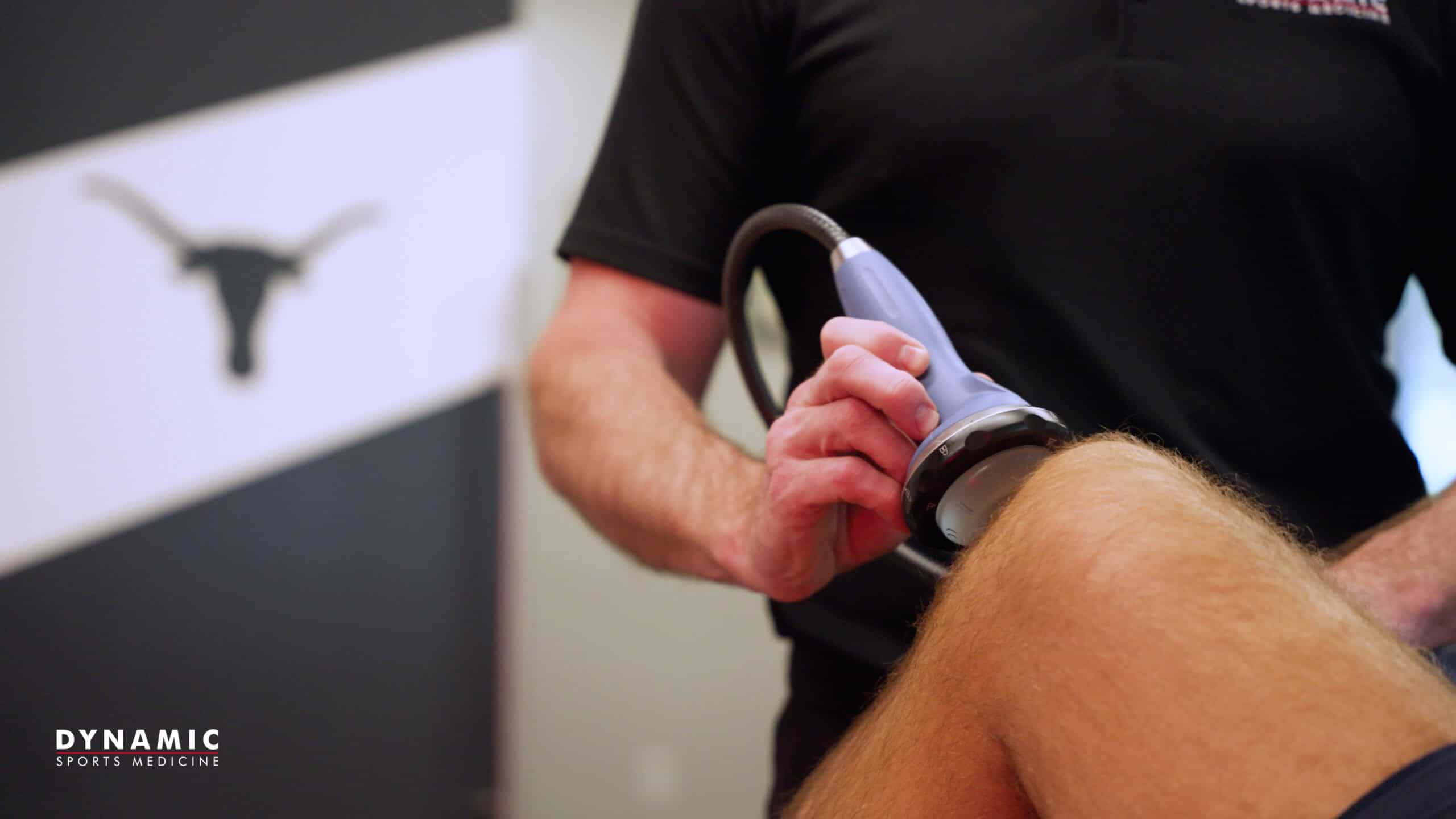
Shockwave Therapy (MYACT)
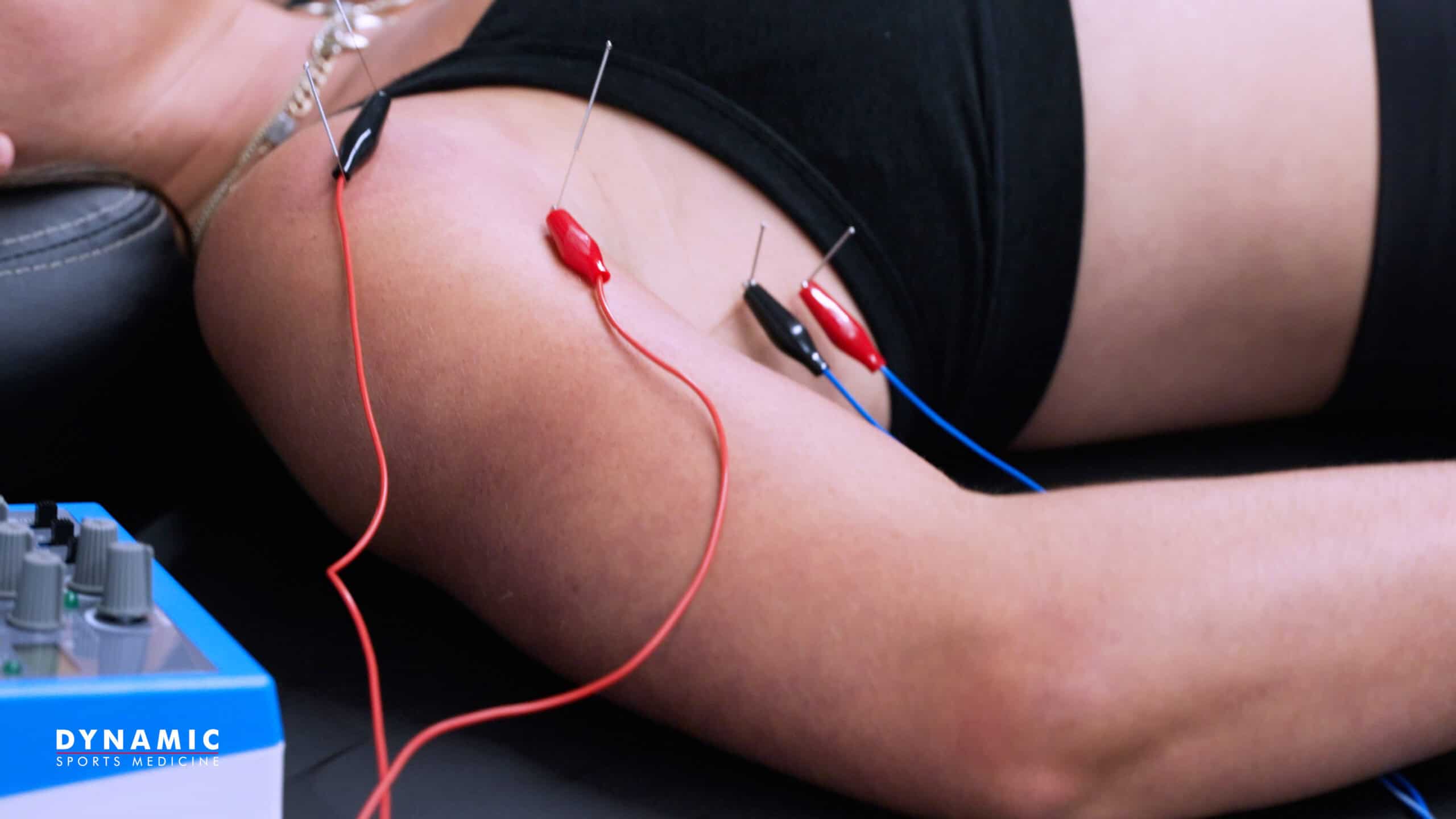
Dry Needling
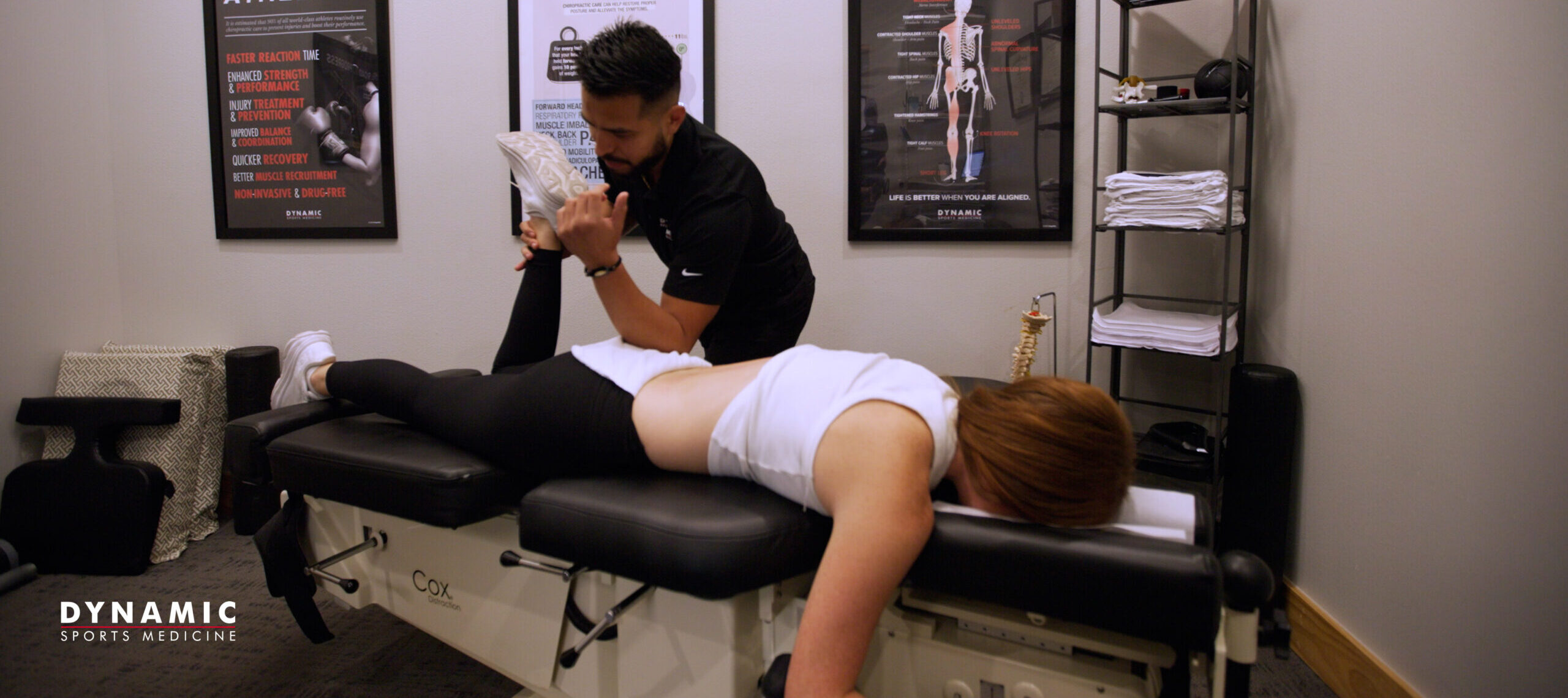
Myofascial Release & Graston
Eccentric Strengthening
Recovery & Rehabilitation
Tennis elbow typically responds to treatment within 4-8 weeks. Chronic cases may take 3-4 months. Shockwave therapy has shown 80%+ success rates for tennis elbow in clinical studies. Your provider will progress your rehabilitation as the tendon heals.
Frequently Asked Questions
Tennis elbow (lateral epicondylitis) affects the outside of the elbow, while golfer’s elbow (medial epicondylitis) affects the inside. Both are tendon overuse injuries but involve different muscle groups. DSM treats both conditions.
A temporary modification may be needed, but complete rest is usually not required. Your provider can recommend technique adjustments, equipment changes, and a treatment plan that allows you to stay as active as possible during recovery.
Related Services
Ready to Get Relief?
Schedule your appointment with our specialists to discuss your treatment options.
Book Now