
Shoulder Impingement Treatment
Non-Surgical Shoulder Pain Treatment for Athletes and Active Adults
Understanding Shoulder Impingement Treatment
Shoulder impingement occurs when the rotator cuff tendons and surrounding tissues become compressed in the space beneath the top of the shoulder, called the subacromial space.
This space is naturally small. When the tendons, bursa, or surrounding structures become irritated, swollen, or mechanically crowded, pain develops with arm movement.
The structure most commonly involved is the supraspinatus tendon, one of the four tendons that make up the rotator cuff.
The bursa, a small cushioning sac in the shoulder, may also become inflamed. When that happens, the irritation can become more painful and more limiting.
Shoulder impingement is often related to:
Poor shoulder mechanics
Repetitive overhead movement
Rotator cuff weakness
Scapular dysfunction
Postural stress

Symptoms
Symptoms often begin gradually and worsen if not treated.
Common signs include:
Pain on the front or outside of the shoulder
A pinching sensation when lifting the arm
Pain during overhead reaching
Pain when reaching behind the back
Weakness with pressing or lifting
Shoulder pain at night, especially when lying on that side
Reduced range of motion
Stiffness after activity or inactivity
Many patients notice pain during the “painful arc,” which is when the arm moves between roughly shoulder height and overhead.
Common Causes
Repetitive Overhead Activity
Swimming, tennis, baseball, volleyball, weightlifting, and overhead work all place repeated stress on the shoulder.
Poor Posture
Rounded shoulders and forward head posture reduce the space available for the rotator cuff tendons to move freely.
Weak Rotator Cuff or Scapular Muscles
Weakness in the rotator cuff, lower trapezius, or serratus anterior can alter the way the shoulder blade moves and increase tendon compression.
Thoracic Spine Stiffness
Poor movement in the upper back often forces the shoulder to compensate, which can increase impingement.
Bone Spurs or Structural Narrowing
In some cases, structural changes in the shoulder can reduce space and increase friction on the tendons.
Previous Shoulder Injury
Old shoulder injuries can leave behind movement restrictions, scar tissue, or compensation patterns that raise the risk of impingement.
When to Seek Treatment
You should consider professional evaluation if:
Shoulder pain has lasted more than 1–2 weeks
Symptoms are limiting workouts, sport, or daily activity
You have pain at night or while sleeping
You notice weakness that is getting worse
Anti-inflammatories or rest are not solving the issue
You are losing range of motion in the shoulder
Early treatment can help prevent shoulder impingement from progressing into rotator cuff tendinopathy, bursitis, or tendon tearing.
Treatment Options
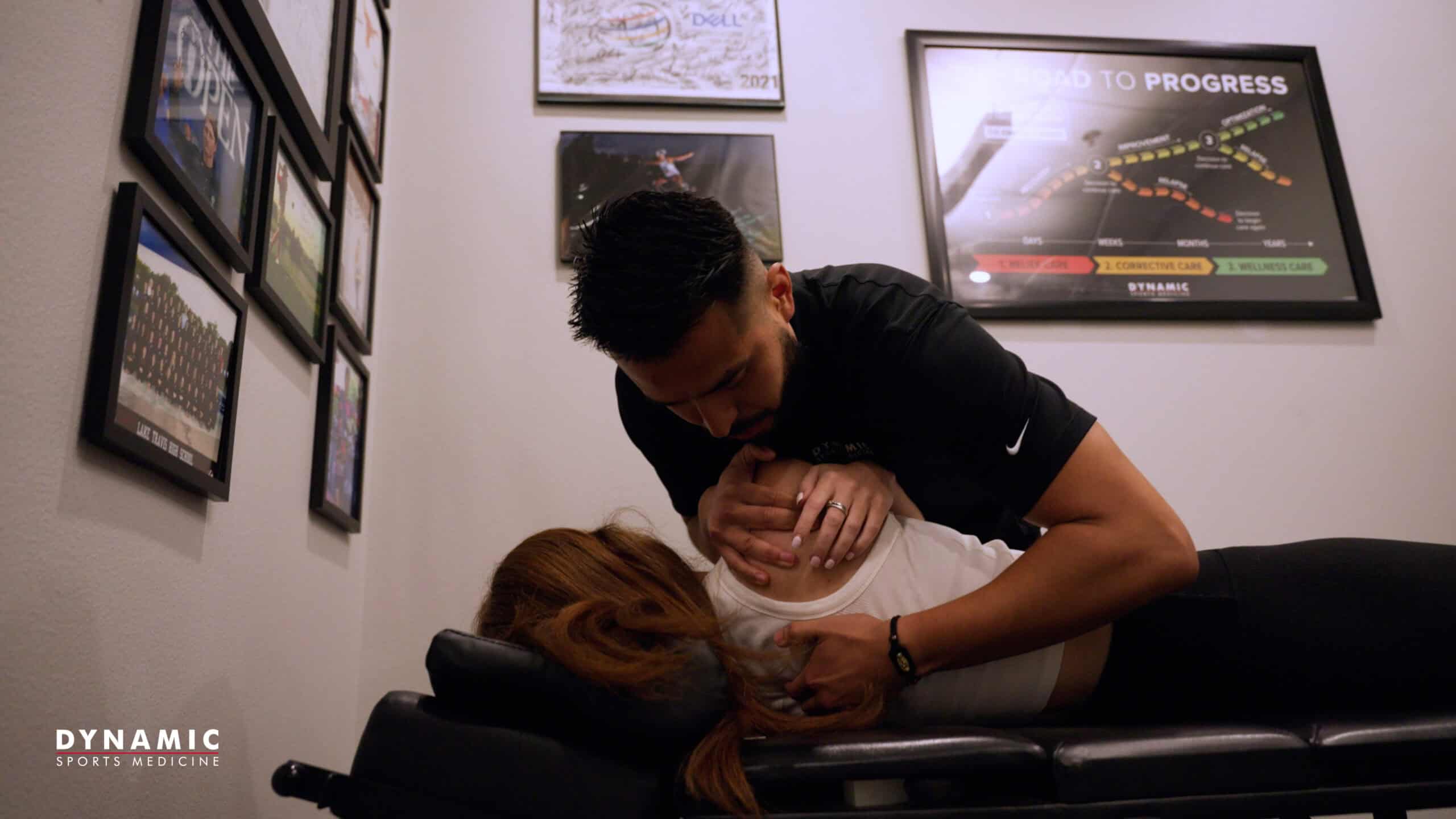
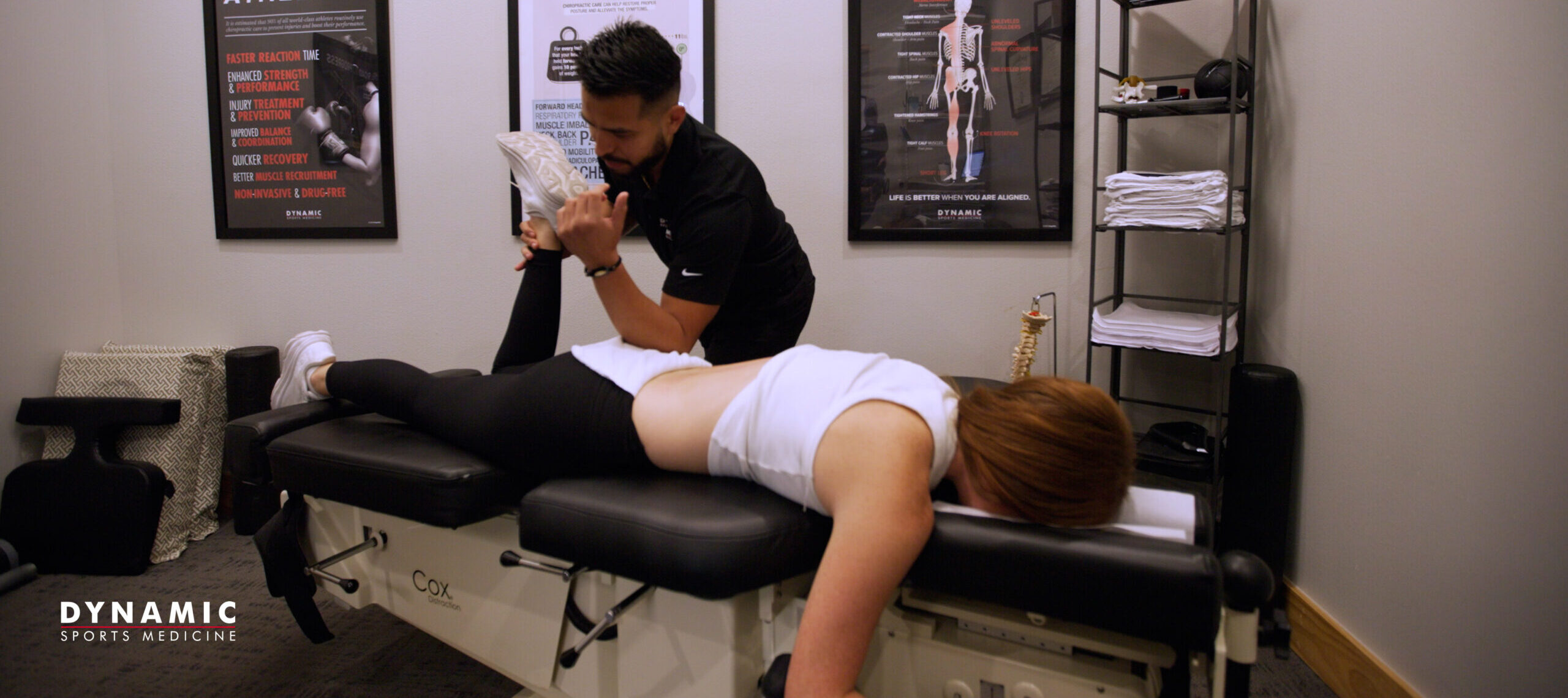
Sports Chiropractic Care
Our sports chiropractors evaluate the entire upper kinetic chain, including the:
Thoracic spine
Cervical spine
Shoulder joint
Shoulder blade mechanics
Rib mobility
Targeted adjustments help improve movement quality and reduce the mechanical compression contributing to shoulder pain.
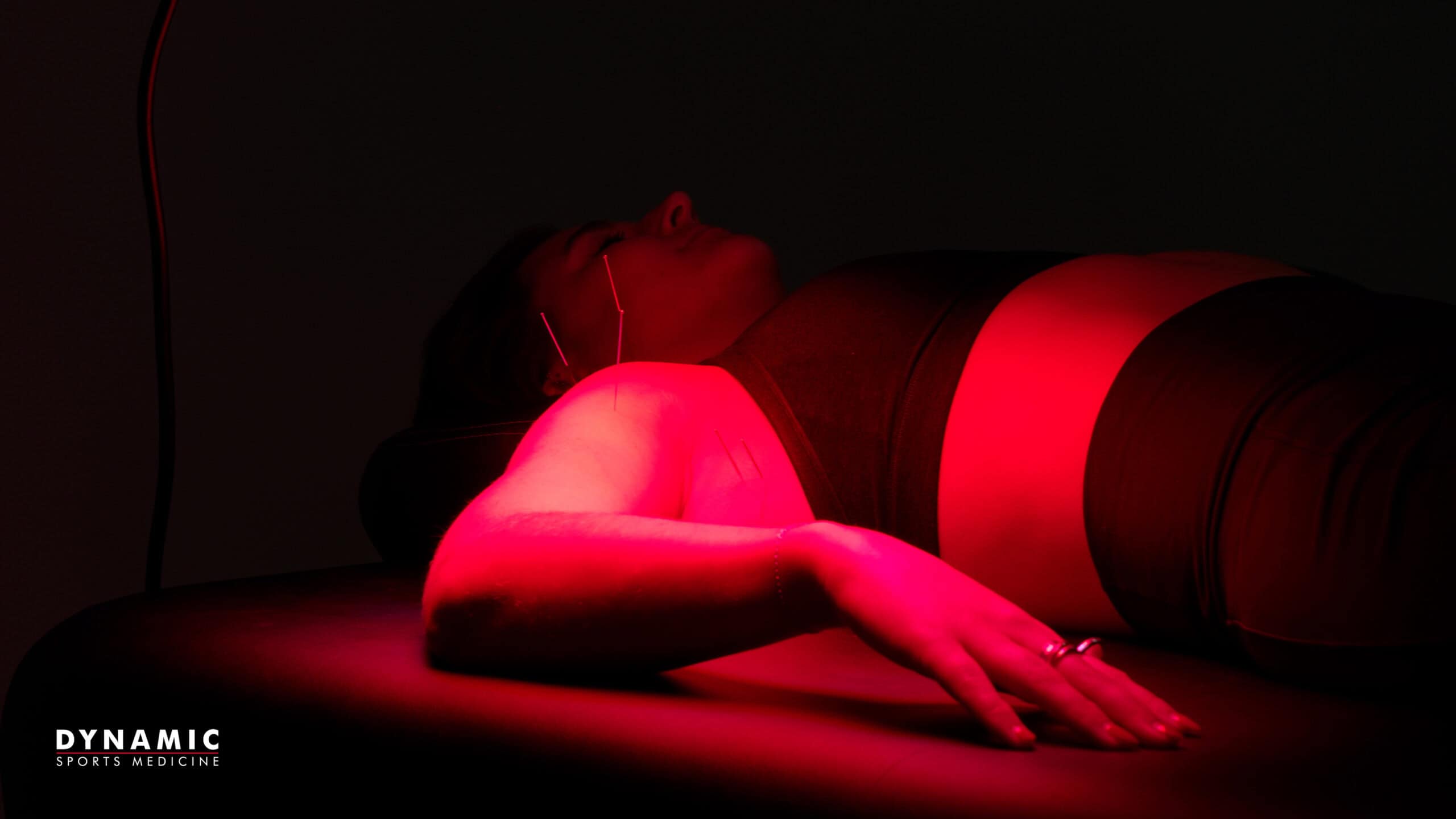
Dry Needling
Dry needling can help release trigger points and muscle tension in areas such as the:
Rotator cuff
Upper trapezius
Pectoralis minor
Deltoid
Surrounding shoulder stabilizers
This helps restore more normal movement and reduce pain.
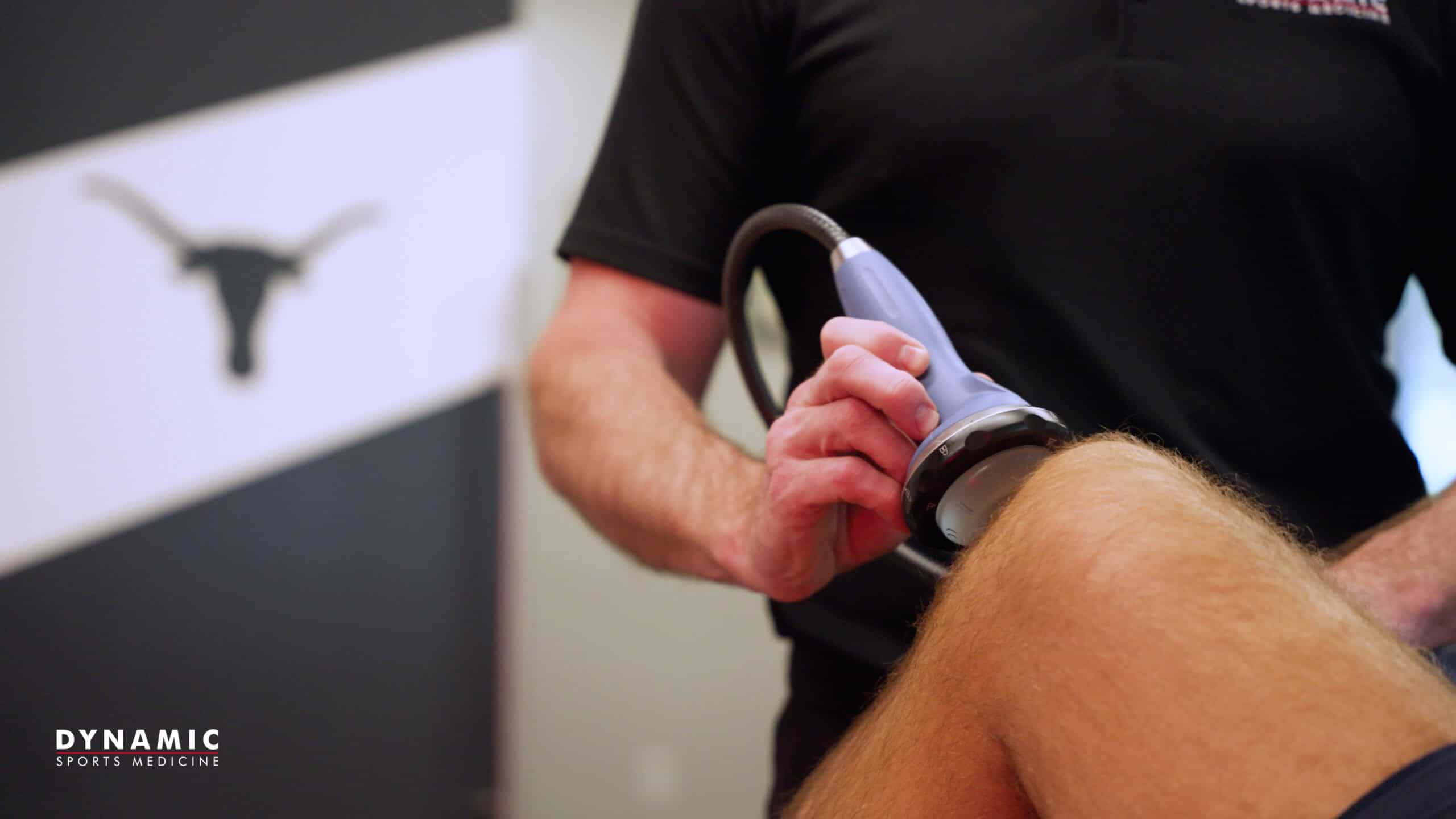
Shockwave Therapy
Shockwave therapy may be used for chronic shoulder impingement, especially when tendon damage or calcification is part of the picture.
It helps stimulate tissue healing and can be particularly effective for stubborn shoulder pain that has not responded to other conservative care.
Myofascial Release
Soft tissue treatment helps reduce tension and restriction in the chest, upper back, and shoulder girdle.
This is especially helpful in patients with rounded shoulders, tight pecs, and poor scapular mechanics.
PEMF Therapy
PEMF therapy may be used to help manage inflammation and support tissue healing during recovery.
Recovery & Rehabilitation
You do not have to keep training through shoulder pain or avoid the movements you enjoy.
At Dynamic Sports Medicine, we help patients identify what is truly driving their shoulder impingement and build a treatment plan focused on restoring movement, reducing pain, and getting back to activity.
Book your appointment online or contact your nearest DSM clinic today.
Frequently Asked Questions
Many patients begin noticing improvement within 3–6 visits, but full recovery depends on how long the condition has been present and whether there is tendon damage or calcification. Mild cases may improve in a few weeks, while more chronic cases may take 2–3 months.
In many cases, yes — but certain movements usually need to be modified. Your provider can help you identify which exercises to avoid temporarily and how to stay active without worsening the condition.
No. Shoulder impingement refers to compression and irritation of the rotator cuff tendons and surrounding tissues. Over time, untreated impingement can contribute to rotator cuff tearing, which is one reason early treatment matters.
Related Services
Ready to Get Relief?
Schedule your appointment with our specialists to discuss your treatment options.
Book Now