
Hip Labral Tear Treatment
Expert Hip Labral Tear Care in Austin, Dallas & Houston
Understanding Hip Labral Tear Treatment
The hip is a ball-and-socket joint, with the head of the femur fitting into the socket of the pelvis. Around the rim of that socket is a ring of cartilage called the labrum.
The labrum helps:
Deepen the socket for added stability
Improve the fit of the hip joint
Distribute load across the joint
Help the hip move smoothly and efficiently
When the labrum tears, the hip can become painful, irritated, and mechanically limited. Many people experience deep groin pain, catching, clicking, or a feeling that the hip cannot move normally.
Hip labral tears are more common than many people realize, especially in athletes and active individuals who perform repetitive hip flexion, rotation, and cutting movements.
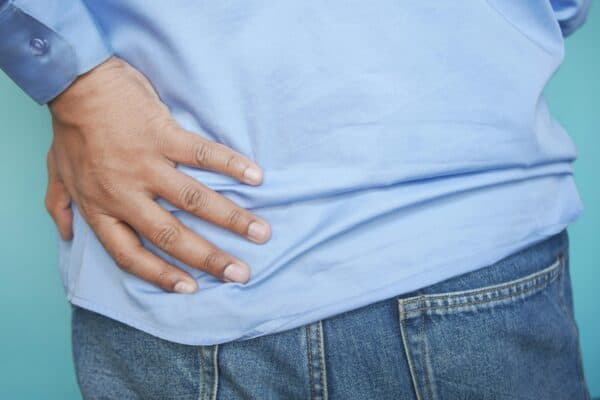
Symptoms
Hip labral tears often create symptoms that are easy to confuse with other injuries.
Common signs include:
Deep groin pain or pain at the front of the hip
Clicking, catching, or locking in the hip
Pain with sitting for long periods
Pain with squatting, pivoting, or rotating the hip
Stiffness or reduced range of motion
A feeling of instability or giving way in the hip
Pain that may radiate into the buttock or outer hip
Many people notice pain during movements like:
Getting in and out of a car
Putting on shoes or socks
Deep squatting
Twisting or changing direction during activity
If hip or groin pain has persisted for more than a few weeks, especially with clicking or catching, a thorough sports medicine evaluation is recommended.
Common Causes
Contributing Factors
Hip labral tears can happen from a single traumatic event or develop gradually over time. Common causes include: Femoroacetabular impingement (FAI), where the bones of the hip create repeated pinching of the labrum Hip dysplasia, where the socket is too shallow and the labrum takes on extra stress Repetitive hip loading in sports such as soccer, hockey, golf, dance, and martial arts Acute trauma from a fall, collision, or direct impact Hypermobility or joint laxity Compensation from previous low back, knee, or opposite hip injuries In many cases, the labrum is not the only issue. Poor hip mechanics, weakness, restricted mobility, and surrounding muscle dysfunction often contribute to ongoing symptoms.
When to Seek Treatment
You should consider evaluation if:
Hip or groin pain has lasted more than 2–3 weeks
You feel clicking, catching, or locking in the joint
Sitting, walking, or exercise continues to aggravate symptoms
Your hip feels unstable during single-leg activity or pivoting
Rest and stretching have not resolved the issue
You have been treated for a “hip flexor strain” without real improvement
Early diagnosis can help prevent further irritation and guide the right treatment plan before the issue becomes more chronic.
Treatment Options
Sports Chiropractic Care
Restrictions in the hip, pelvis, sacroiliac joint, or lumbar spine can change how force moves through the hip and increase stress on the labrum.
Our sports chiropractors evaluate the full lumbopelvic-hip complex and use targeted care to improve joint mechanics and reduce the movement patterns contributing to your symptoms.
Dry Needling
Muscles around the hip often become tight, guarded, or overactive in response to labral irritation.
Dry needling can help reduce tension in structures such as the:
Hip flexors
Gluteal muscles
Piriformis
Adductors
This can help decrease pain and improve movement quality around the joint.
Myofascial Release
Soft tissue treatment helps improve mobility and reduce restrictions throughout the hip and pelvis.
Addressing tension in the surrounding musculature can reduce compression and improve overall hip function.
Shockwave Therapy
When a hip labral tear is accompanied by tendon pain — such as proximal hamstring or hip flexor irritation — shockwave therapy may be used to stimulate healing and reduce chronic pain in those secondary tissues.
PEMF Therapy
PEMF therapy may be used to help support tissue recovery and manage inflammation, especially when the hip is highly irritated early in care.
Spinal Decompression
In some cases, low back or disc-related issues can refer pain into the hip and groin. When lumbar involvement is part of the picture, spinal decompression may help address the spinal component contributing to symptoms.
Rehabilitation
Rehabilitation is one of the most important parts of conservative care for a hip labral tear.
Your plan may include:
Glute strengthening
Hip stability work
Core control training
Mobility exercises
Single-leg control drills
Progressive return-to-sport movement
The goal is to improve how the hip handles load and reduce stress on the labrum during daily activity and sport.
Recovery & Rehabilitation
A hip labral tear does not automatically mean surgery.
At Dynamic Sports Medicine, we help patients understand the true cause of their hip pain and build a treatment plan focused on restoring movement, reducing pain, and getting back to the activities that matter most.
Book your evaluation online or contact your nearest DSM clinic today.
Frequently Asked Questions
Many hip labral tears can be managed successfully without surgery, especially when symptoms are mild to moderate and the surrounding mechanics can be improved with treatment and rehabilitation.
Diagnosis begins with a thorough clinical evaluation. In some cases, imaging such as an MRI arthrogram may be recommended to confirm the diagnosis and evaluate the tear more clearly.
Recovery depends on the severity of the tear, the presence of structural factors, and your activity level. Many patients begin noticing meaningful improvement within 4–6 weeks, while full return to higher-level activity may take 8–16 weeks of progressive care and rehabilitation.
Ready to Get Relief?
Schedule your appointment with our specialists to discuss your treatment options.
Book Now