
Low Back Pain Treatment
Expert Low Back Pain Care in Austin, Dallas & Houston
Common Causes
Muscle or Ligament Strain
One of the most common causes of back pain, often related to lifting, overuse, sudden movement, or poor mechanics.
Disc Bulge or Disc Herniation
When disc material pushes outward, it can irritate nearby nerves and cause pain in the low back, buttock, or leg.
Degenerative Disc Changes
As discs lose hydration over time, they may become less effective at handling load, leading to stiffness and pain.
Facet Joint Dysfunction
The small joints in the spine can become irritated or restricted, often causing localized pain that worsens with extension or twisting.
Sacroiliac (SI) Joint Dysfunction
The SI joint connects the spine to the pelvis and is a common source of low back and buttock pain.
Spinal Stenosis
A narrowing of the spinal canal that can put pressure on nerves, often causing pain, weakness, or discomfort with walking and standing. Because low back pain can come from multiple structures, accurate evaluation is essential for choosing the right treatment plan.
When to Seek Treatment
You should consider evaluation if:
Your pain has lasted longer than 1–2 weeks
Pain is interfering with sleep, work, or exercise
Symptoms are radiating into the leg or foot
Your back pain keeps returning
Over-the-counter medications are not helping
You have had to stop or modify training because of pain
Early treatment can help prevent acute back pain from becoming a more chronic problem.
Treatment Options
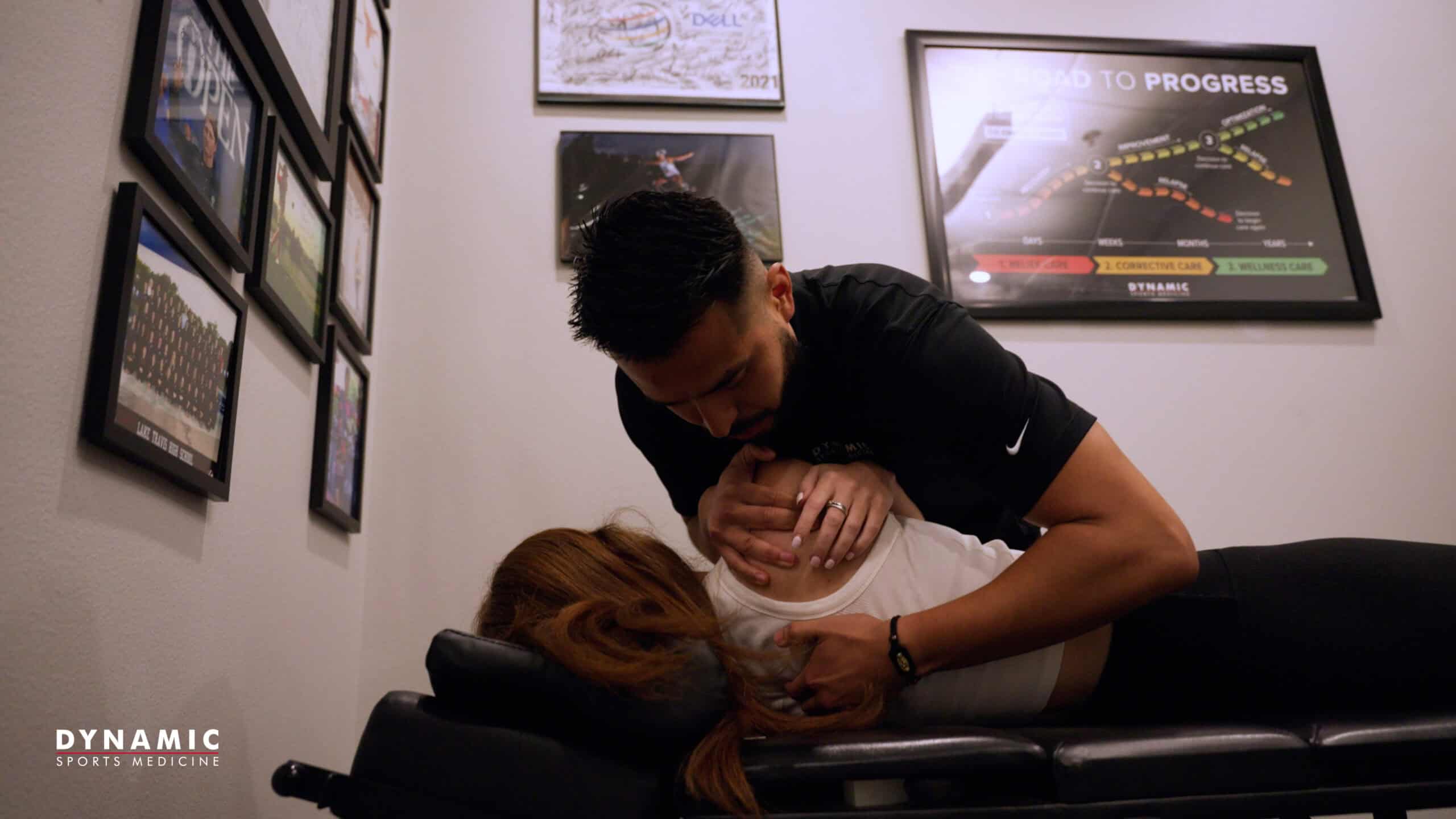
Sports Chiropractic Care
Chiropractic care helps restore normal movement in the lumbar spine, pelvis, and surrounding joints.
Our sports chiropractors use targeted treatment to improve mobility, reduce irritation, and address the movement restrictions contributing to pain.
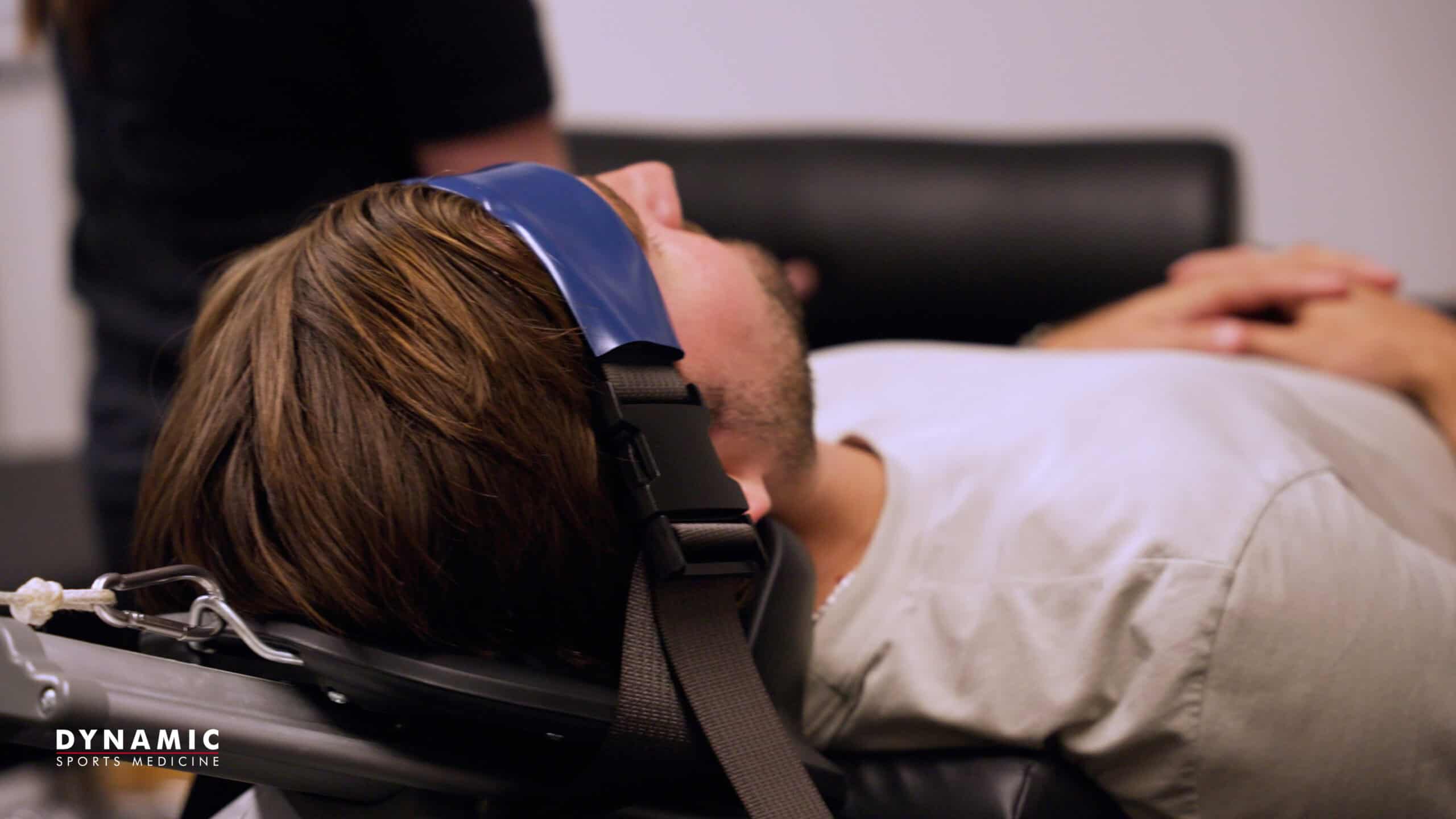
Spinal Decompression
For patients dealing with disc bulges, disc herniations, or degenerative disc issues, spinal decompression may help reduce pressure on the affected structures and improve symptoms.
This treatment is often helpful for people experiencing low back pain with associated nerve irritation.
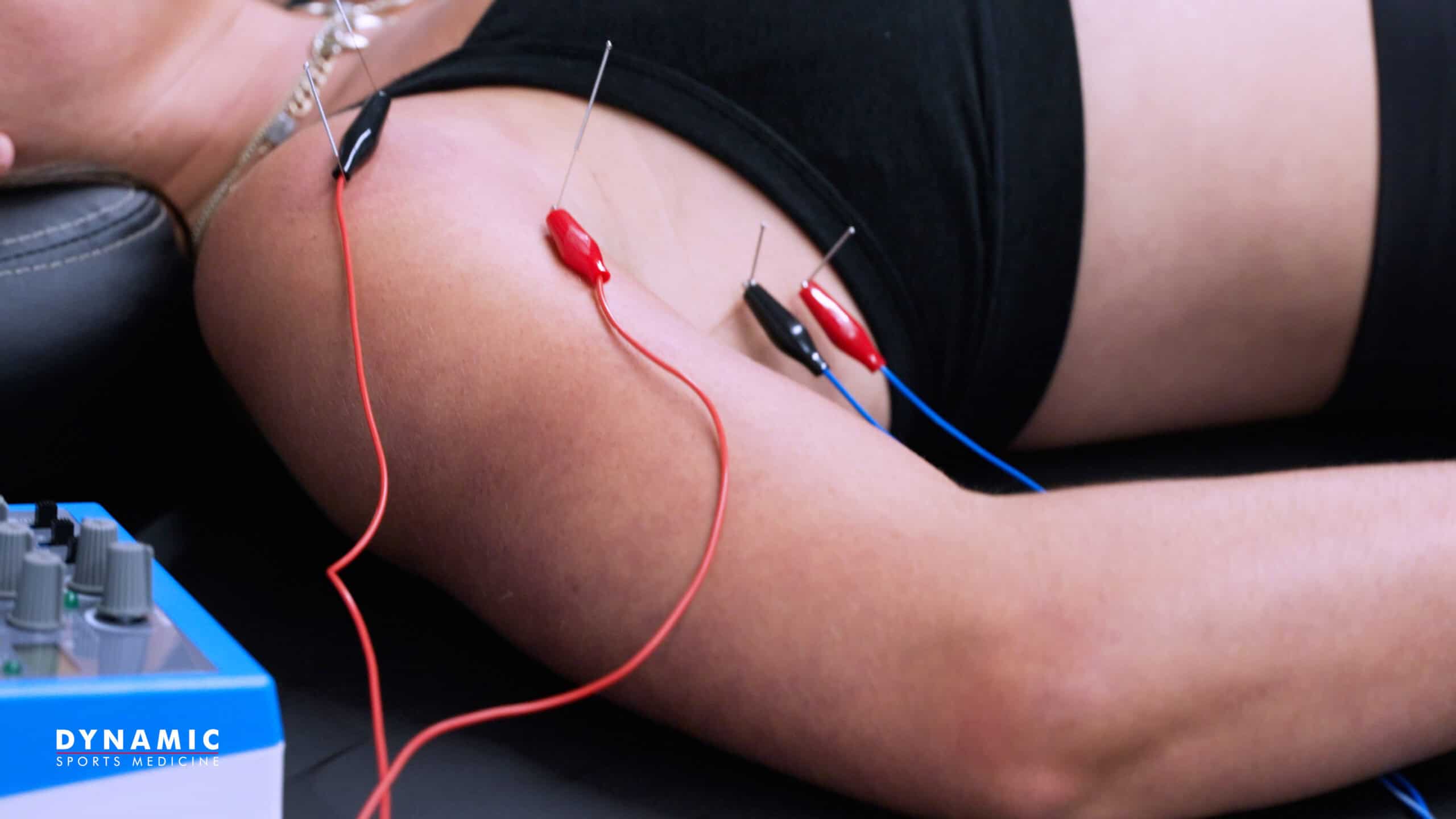
Dry Needling
Dry needling can be used to reduce tension and trigger points in the low back, glutes, and surrounding muscles.
This often helps improve pain, decrease muscle guarding, and restore more normal movement.
Myofascial Release
Soft tissue treatment helps improve mobility, reduce fascial restriction, and address tension throughout the lumbar spine, hips, and pelvis.
PEMF Therapy
PEMF therapy may be used to support tissue recovery and help manage inflammation during acute flare-ups or chronic pain episodes.
Shockwave Therapy
When chronic pain involves irritated ligaments or tendon-related structures around the pelvis and low back, shockwave therapy may help stimulate healing and reduce pain.
Recovery & Rehabilitation
Low back pain does not have to be something you simply live with.
At Dynamic Sports Medicine, we help patients identify the real cause of their pain and build a treatment plan focused on restoring movement, reducing pain, and getting back to the activities that matter most.
Book your appointment online or contact your nearest DSM clinic today.
Frequently Asked Questions
Recovery depends on the cause and severity of your low back pain. Many patients with muscle strain or joint-related pain improve within 2–4 weeks, while more chronic or disc-related cases may take 6–12 weeks.
In many cases, yes. The right kind of movement is often an important part of recovery. Your provider will help you determine which activities are safe and which should be temporarily modified.
Yes. Chiropractic treatment by a licensed provider is widely used for mechanical low back pain and is considered a safe, evidence-based treatment option for many patients.
Related Services
Part of our Sports Chiropractic, Performance Recovery and Advanced Sports Therapies services.

Where to Get Treatment for Low Back Pain Treatment
Every Dynamic Sports Medicine clinic evaluates and treats low back pain treatment. Choose the location nearest you to see its providers, hours and directions.
Austin
Dallas-Fort Worth
Ready to Get Relief?
Schedule your appointment with our specialists to discuss your treatment options.
Book Now