
Patellar Tendinitis Treatment
Jumper’s Knee Treatment for Athletes and Active Individuals
Understanding Patellar Tendinitis Treatment
The patellar tendon connects the kneecap (patella) to the shinbone (tibia). It plays a major role in movements such as:
Jumping
Running
Sprinting
Squatting
Kicking
Landing
When this tendon is repeatedly overloaded, it can become painful and irritated.
In the early stages, this condition is often called patellar tendinitis. In more persistent cases, the tendon may begin to develop degenerative changes, which is more accurately described as patellar tendinopathy.
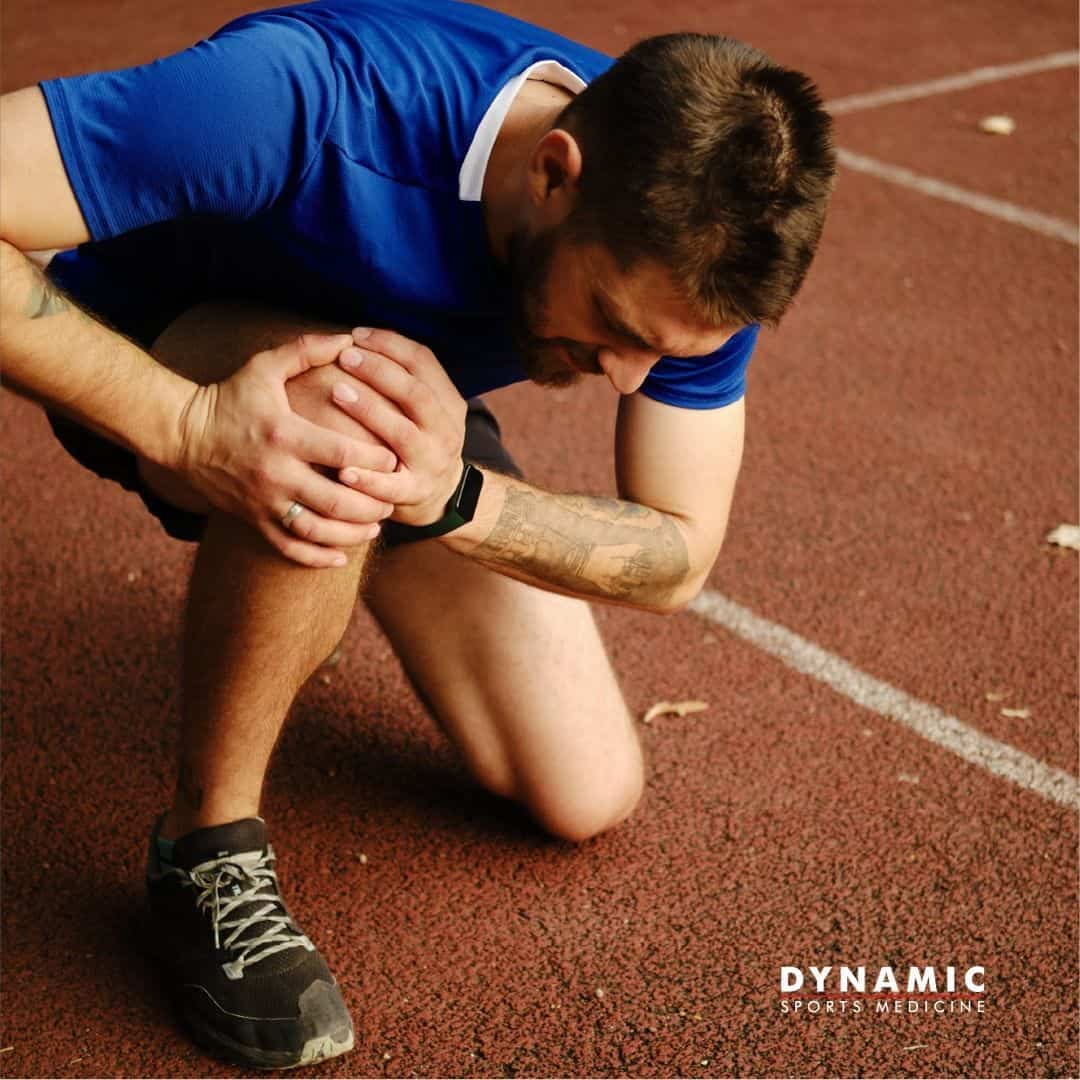
Either way, the result is the same: pain just below the kneecap that worsens with activity and can eventually limit both athletic performance and daily movement.
Symptoms
The most common symptom is pain at the front of the knee just below the kneecap.
Other common signs include:
Pain with jumping or landing
Pain during running or sprinting
Pain with squats, lunges, or stairs
Tenderness when pressing on the tendon
Stiffness after sitting for long periods
Soreness during or after activity
Thickening or irritation of the tendon in chronic cases
In early stages, pain may only appear after activity. Over time, it may begin during activity and eventually interfere with everyday movement.
Common Causes
Repetitive Jumping and Running
Sports such as basketball, volleyball, soccer, and track place repeated load on the patellar tendon.
Rapid Increases in Training Load
Increasing intensity, frequency, or volume too quickly is one of the most common causes of tendon overload.
Weakness or Tightness in the Lower Body
Tight quadriceps, weak glutes, weak hamstrings, and poor hip control can all increase stress on the knee.
Poor Landing Mechanics
If you land with poor alignment or excessive knee collapse, the tendon absorbs more force than it should.
Hard Training Surfaces
Concrete, hardwood, and other unforgiving surfaces can increase repeated tendon stress over time.
Growth Spurts and Young Athletes
Adolescent athletes may be especially vulnerable because rapid growth can temporarily increase stress on the tendon.
When to Seek Treatment
You should consider evaluation if:
Pain has lasted more than 1–2 weeks
Symptoms are affecting your training or sport
Pain is getting worse instead of better
The knee hurts during daily activities like stairs or walking
Rest alone has not resolved the issue
You have had repeated flare-ups of jumper’s knee
Early treatment is important because chronic tendon pain usually takes longer to resolve than recent irritation.
Treatment Options
Shockwave Therapy
Shockwave therapy is one of the most effective non-surgical treatments for chronic tendon pain.
It helps stimulate healing, improve blood flow, and support tendon remodeling in areas that are not recovering properly on their own.
Shockwave is especially helpful for stubborn or long-standing patellar tendon pain.
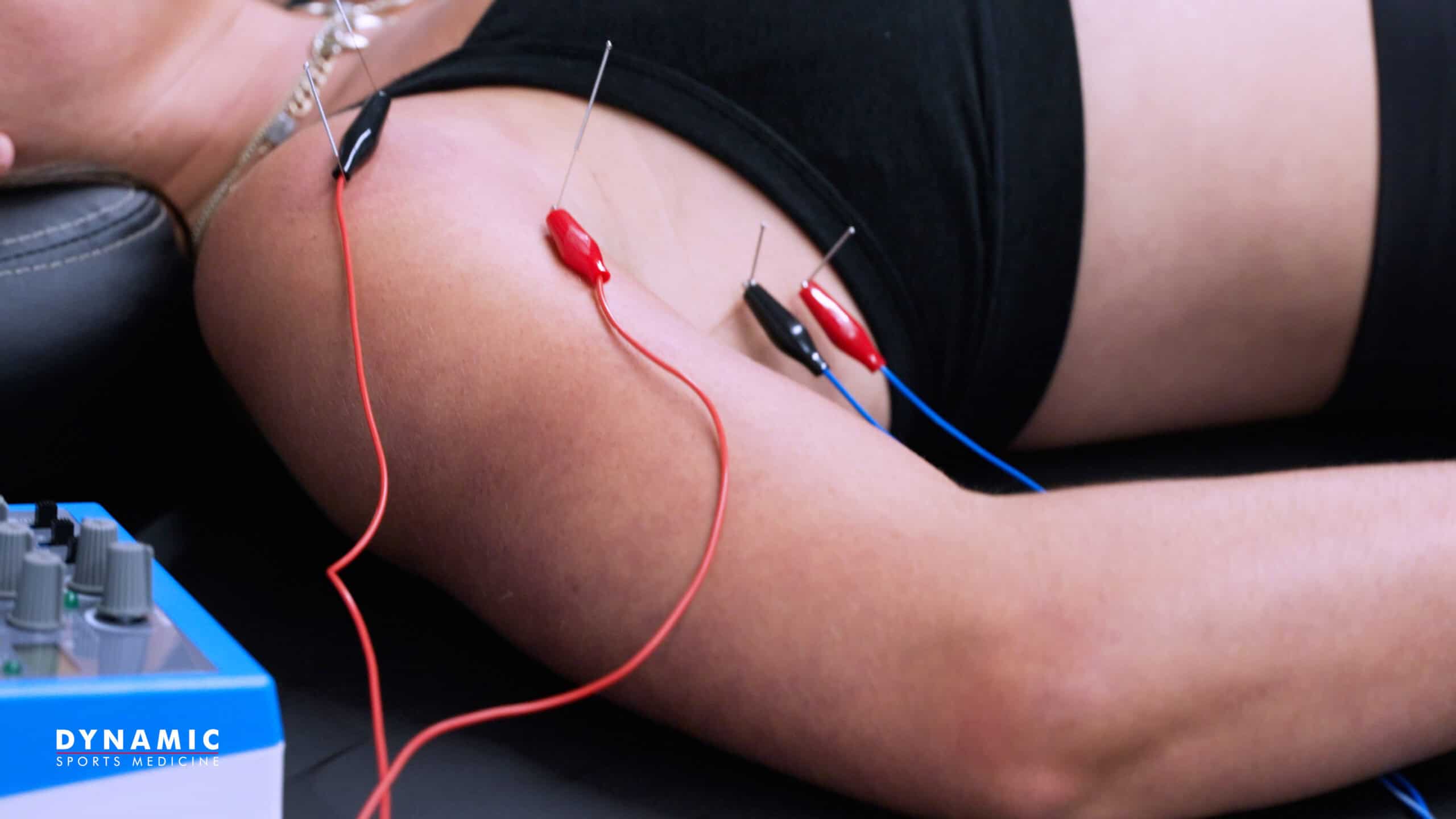
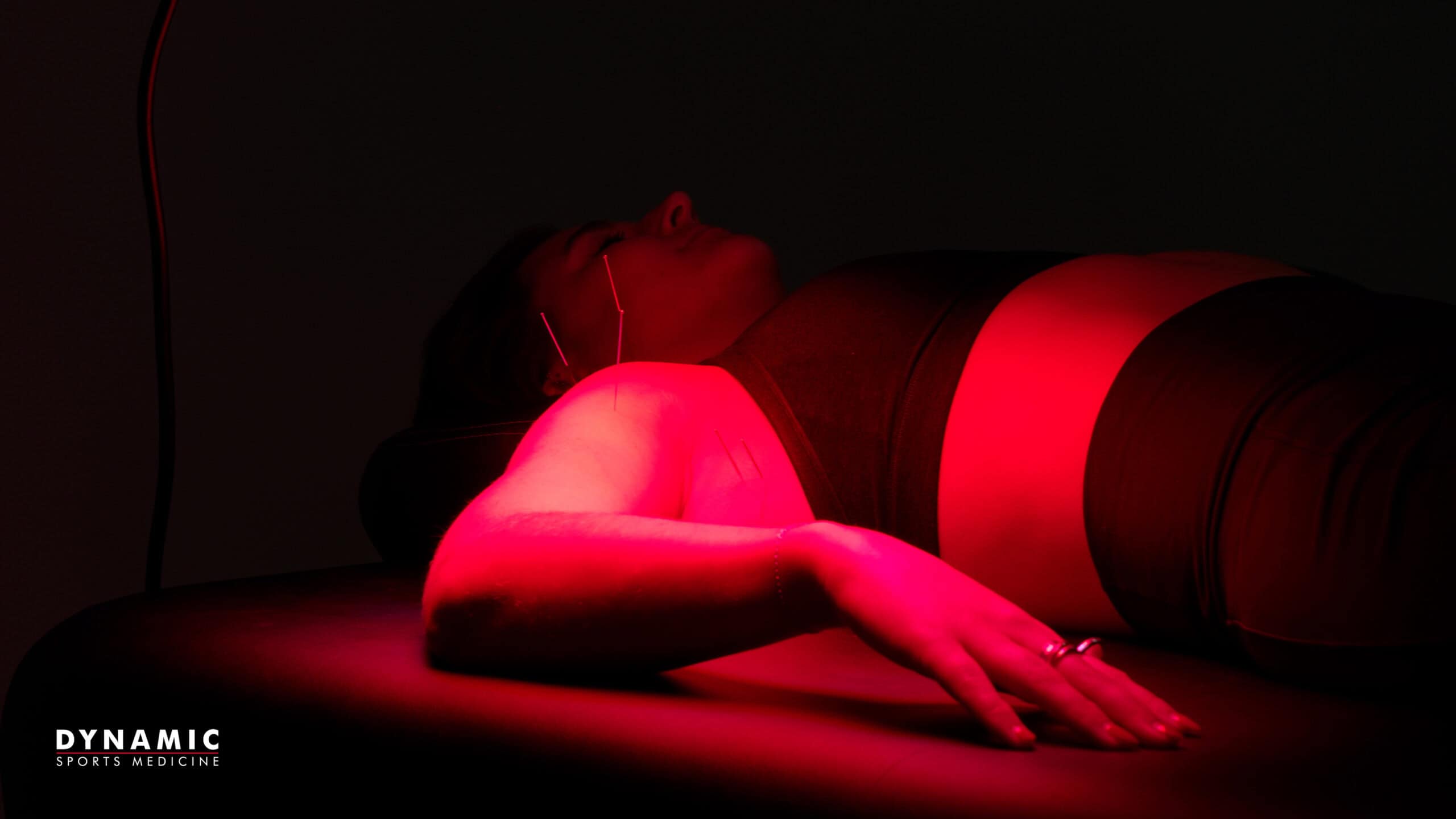
Dry Needling
Dry needling can help reduce tension and dysfunction in the muscles surrounding the knee, including the:
Quadriceps
Hip flexors
Tensor fasciae latae
Gluteal muscles
This helps improve movement quality and reduce excess stress on the tendon.
Myofascial Release
Soft tissue treatment helps reduce fascial restrictions and improve mobility throughout the quadriceps, IT band, and surrounding structures that influence patellar tendon loading.
Sports Chiropractic Care
Restrictions or dysfunction in the hip, pelvis, lumbar spine, knee, or ankle can change the way force moves through the body and overload the patellar tendon.
Our sports chiropractors evaluate the full lower kinetic chain and restore more efficient movement patterns to reduce knee stress.
PEMF Therapy
PEMF therapy may be used to support tissue recovery and help manage inflammation during the healing process.
Rehabilitation and Load Management
Rehabilitation is one of the most important parts of recovery from jumper’s knee.
Your plan may include:
Tendon loading exercises
Eccentric strengthening
Glute and hip strengthening
Core stability work
Landing mechanics retraining
Progressive return-to-sport loading
The goal is not only to reduce pain, but also to rebuild the tendon’s ability to tolerate sport and daily activity.
Recovery & Rehabilitation
Patellar tendon pain does not have to keep you out of training, sport, or daily activity.
At Dynamic Sports Medicine, we help patients identify why the tendon is overloaded and build a treatment plan focused on restoring movement, reducing pain, and improving long-term tendon health.
Book your appointment online or contact your nearest DSM clinic today.
Frequently Asked Questions
Mild cases may improve with rest and activity modification, but many cases — especially those that have lasted more than a few weeks — require structured treatment and progressive loading to fully recover.
Sometimes. This depends on the severity of your symptoms and how reactive the tendon is. Many athletes can continue modified training while undergoing treatment, but the tendon load usually needs to be adjusted.
Patellar tendinitis refers more to early inflammation, while patellar tendinopathy describes the longer-term degenerative changes that occur when the tendon has been overloaded repeatedly. Many chronic cases are technically tendinopathy, even though people still call it tendinitis.
Related Services
Part of our Sports Chiropractic, Advanced Sports Therapies and Performance Recovery services.
Where to Get Treatment for Patellar Tendinitis Treatment
Every Dynamic Sports Medicine clinic evaluates and treats patellar tendinitis treatment. Choose the location nearest you to see its providers, hours and directions.
Austin
Dallas-Fort Worth
Ready to Get Relief?
Schedule your appointment with our specialists to discuss your treatment options.
Book Now