
Plantar Fasciitis Treatment
Expert Heel Pain Treatment for Athletes and Active Adults
Understanding Plantar Fasciitis Treatment
The plantar fascia is a thick band of connective tissue that runs along the bottom of the foot from the heel to the toes.
Its job is to:
Support the arch of the foot
Absorb force during walking and running
Help the foot move efficiently during push-off
When the plantar fascia becomes overloaded, it can develop small areas of tissue damage near its attachment at the heel. Over time, this creates pain, irritation, and stiffness — especially with the first steps after rest.
Although the term plantar fasciitis implies inflammation, many chronic cases are actually more similar to a degenerative overuse injury, which is why rest alone often does not fully solve the problem.

Symptoms
The most common symptom is sharp pain at the bottom of the heel, especially during the first steps in the morning.
Other common signs include:
Heel pain after getting out of bed
Pain that improves after walking briefly but returns later
Tenderness near the inside of the heel
Arch discomfort or tightness
Pain after running or prolonged standing
Pain when walking barefoot on hard surfaces
Heel soreness that worsens over weeks or months
If heel pain has been lingering for more than a couple of weeks, it is a good time to have it evaluated.
Common Causes
Sudden Increase in Activity
Rapid increases in running, jumping, walking, or time on your feet can overload the plantar fascia.
Tight Calves or Limited Ankle Mobility
Restricted ankle dorsiflexion often increases stress on the heel and arch with every step.
Foot Structure Issues
Both flat feet and high arches can place abnormal stress on the plantar fascia.
Poor Footwear
Unsupportive shoes, worn-out soles, and barefoot walking on hard surfaces can all aggravate heel pain.
Prolonged Standing
Jobs or routines that require long hours on hard floors often contribute to plantar fascia overload.
Running Mechanics
Overstriding, poor foot control, or excessive pronation can increase repeated strain on the fascia.
Weak Foot and Lower Leg Muscles
Weakness in the foot intrinsics, calf, and surrounding structures reduces the body’s ability to distribute load efficiently.
When to Seek Treatment
You should consider professional evaluation if:
Morning heel pain has lasted more than 1–2 weeks
Symptoms are getting worse instead of better
Walking, running, or standing has become uncomfortable
You are changing your gait to avoid pain
Stretching, insoles, or anti-inflammatories are not helping
You have had plantar fasciitis before and it is returning
Early treatment usually leads to faster recovery and reduces the chance of the condition becoming chronic.
Treatment Options
Shockwave Therapy
Shockwave therapy is one of the most effective non-surgical treatments for chronic plantar fasciitis.
It helps stimulate healing, improve blood flow, and support tissue remodeling at the heel and plantar fascia attachment. This is especially useful when heel pain has been present for weeks or months.
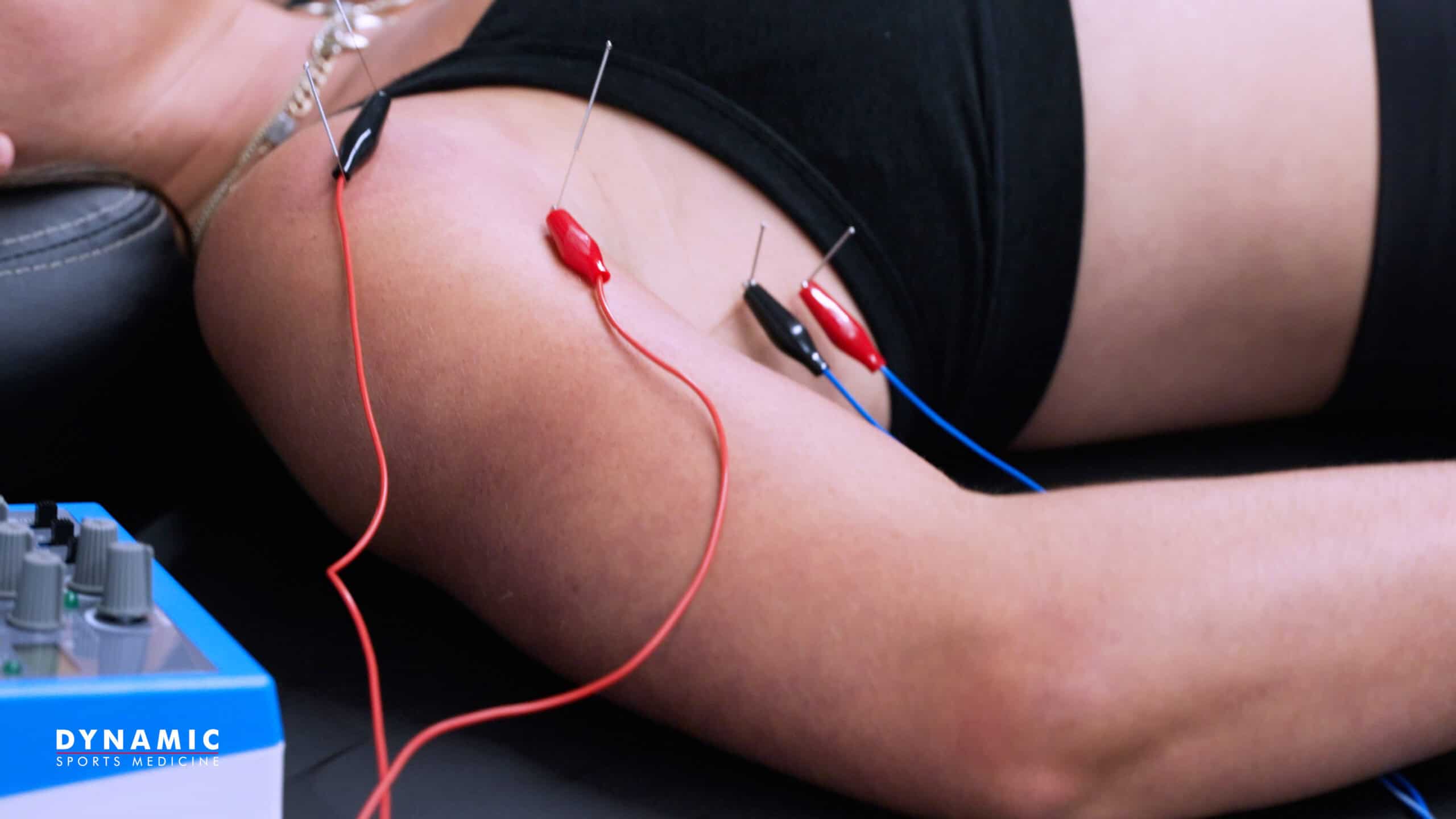
Dry Needling
Dry needling can reduce tension in the muscles that contribute to plantar fascia overload, including the:
Calf muscles
Tibialis posterior
Foot intrinsics
Other lower-leg stabilizers
Reducing tension in these structures helps improve foot mechanics and reduce stress on the heel.
Myofascial Release
Soft tissue treatment helps improve mobility and reduce restriction throughout the plantar fascia, calf, Achilles, and surrounding tissues.
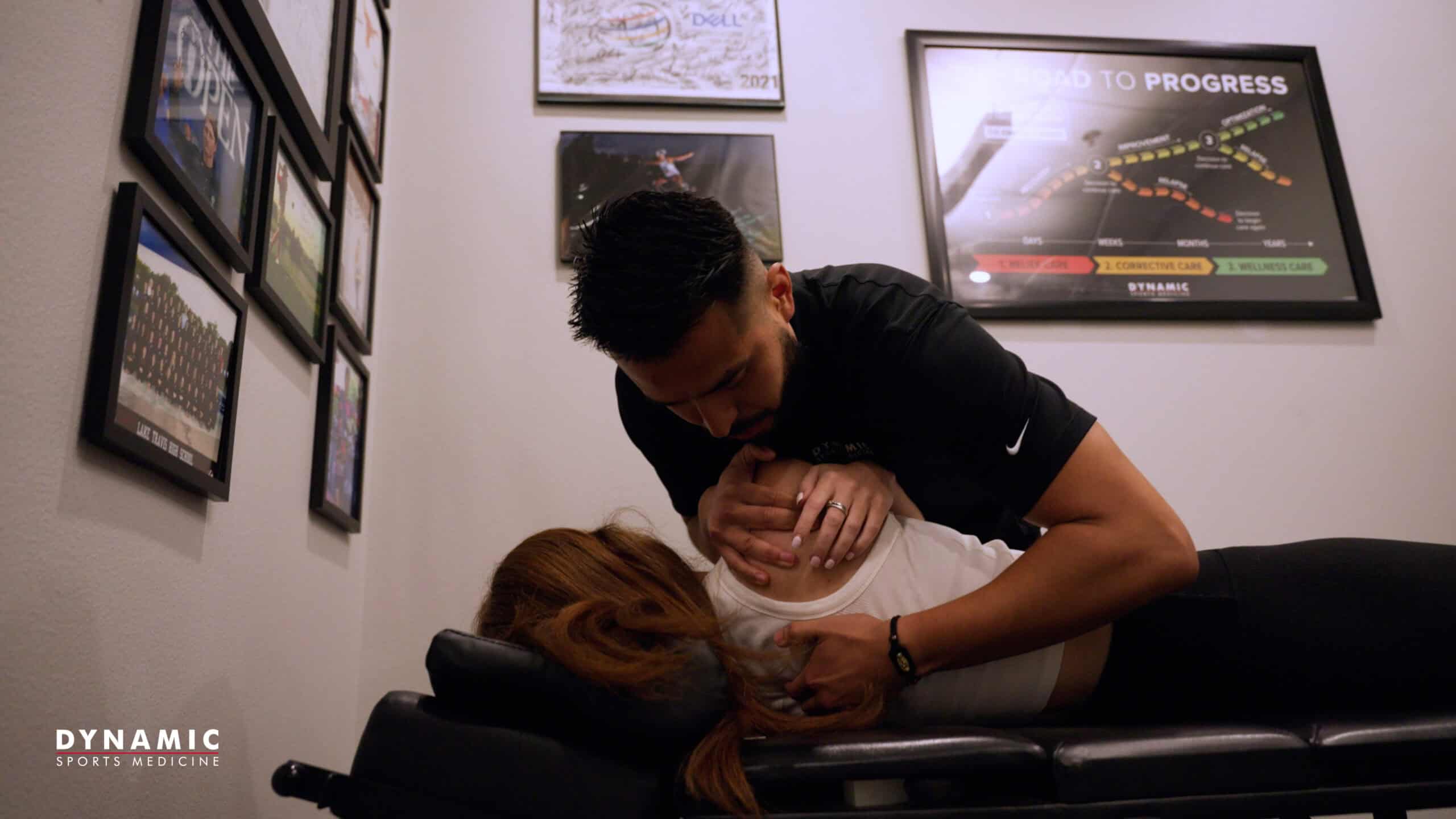
Sports Chiropractic Care
Foot and ankle mechanics play a major role in plantar fasciitis.
Our sports chiropractors evaluate the foot, ankle, and lower leg joints to restore normal movement and reduce excessive strain on the plantar fascia.
PEMF Therapy
PEMF therapy may be used to support tissue recovery and help manage inflammation during the healing process.
Recovery & Rehabilitation
You do not have to keep starting every morning with heel pain.
At Dynamic Sports Medicine, we help patients identify why the plantar fascia is overloaded and build a treatment plan focused on restoring movement, reducing pain, and getting back to the activities that matter most.
Book your appointment online or contact your nearest DSM clinic today.
Frequently Asked Questions
The fastest recovery usually comes from combining professional treatment with a consistent home program. Shockwave therapy, dry needling, sports chiropractic care, stretching, strengthening, and footwear changes often produce the best results.
Heel spurs are often seen on imaging, but they are usually not the main source of pain. Most treatment focuses on the plantar fascia and the mechanical causes of overload.
Orthotics can be helpful in some cases, especially when arch support is part of the problem. However, they work best as one part of a broader treatment plan rather than as the only solution.
Related Services
Part of our Sports Chiropractic and Advanced Sports Therapies services.

Where to Get Treatment for Plantar Fasciitis Treatment
Every Dynamic Sports Medicine clinic evaluates and treats plantar fasciitis treatment. Choose the location nearest you to see its providers, hours and directions.
Austin
Dallas-Fort Worth
Ready to Get Relief?
Schedule your appointment with our specialists to discuss your treatment options.
Book Now