Sciatica Treatment

Non-Surgical Treatment for Sciatic Nerve Pain

Understanding Sciatica Treatment

Sciatica refers to pain caused by irritation or compression of the sciatic nerve, the largest nerve in the human body.

The sciatic nerve originates in the lower spine from the L4 through S3 nerve roots, travels through the pelvis and buttock, and runs down the back of each leg to the foot.

When this nerve becomes irritated or compressed anywhere along its path, it can cause symptoms such as:

Radiating leg pain

Tingling or “pins and needles”

Numbness

Weakness in the leg or foot

The exact symptoms often depend on where along the nerve the compression occurs.
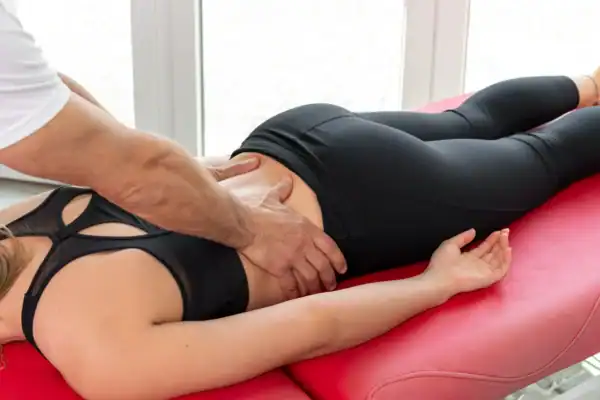
Medical professional performing spinal decompression therapy on a patient to relieve back pain and improve spinal health.

Symptoms

Sciatica symptoms typically affect one leg, although both legs may be involved in some cases.

Common symptoms include:

Pain radiating from the lower back or buttock down the leg

Sharp, burning, or shooting leg pain

Tingling or “pins and needles” in the leg or foot

Numbness along the nerve pathway

Weakness in the leg or foot

Pain that worsens with sitting or bending

Symptoms that improve with walking or lying down

If you experience severe weakness, loss of bowel or bladder control, or numbness in the groin region, seek emergency medical care immediately, as these can be signs of a rare but serious condition called cauda equina syndrome.

Common Causes

Lumbar Disc Herniation

A herniated or bulging disc in the lower back is the most common cause of sciatica. When disc material presses against a nerve root, it can create pain that travels down the leg. The L4-L5 and L5-S1 levels are the most frequently involved.

Degenerative Disc Disease

Age-related disc changes can reduce disc height and narrow the spaces where spinal nerves exit the spine, leading to nerve irritation.

Spinal Stenosis

Spinal stenosis occurs when the spinal canal narrows, placing pressure on nearby nerves. This often causes leg pain or heaviness when walking or standing.

Piriformis Syndrome

The piriformis muscle, located deep in the buttock, can sometimes compress the sciatic nerve. This is a common cause of sciatica in runners and people who sit for long periods.

Spondylolisthesis

When one vertebra slips forward relative to another, it can narrow the nerve exit spaces and compress nearby nerve roots.

Sacroiliac (SI) Joint Dysfunction

Irritation in the SI joint can produce pain patterns that mimic sciatic nerve pain or contribute to nerve irritation in the lower back.

When to Seek Treatment

You should consider evaluation if:

Sciatic pain lasts more than one week

Symptoms are getting worse instead of better

Pain is interfering with sleep or daily activity

You notice numbness or weakness in the leg

Over-the-counter medication and stretching are not helping

You have had recurring episodes of sciatic nerve pain

Early treatment can often shorten recovery time and prevent chronic nerve irritation.

Treatment Options

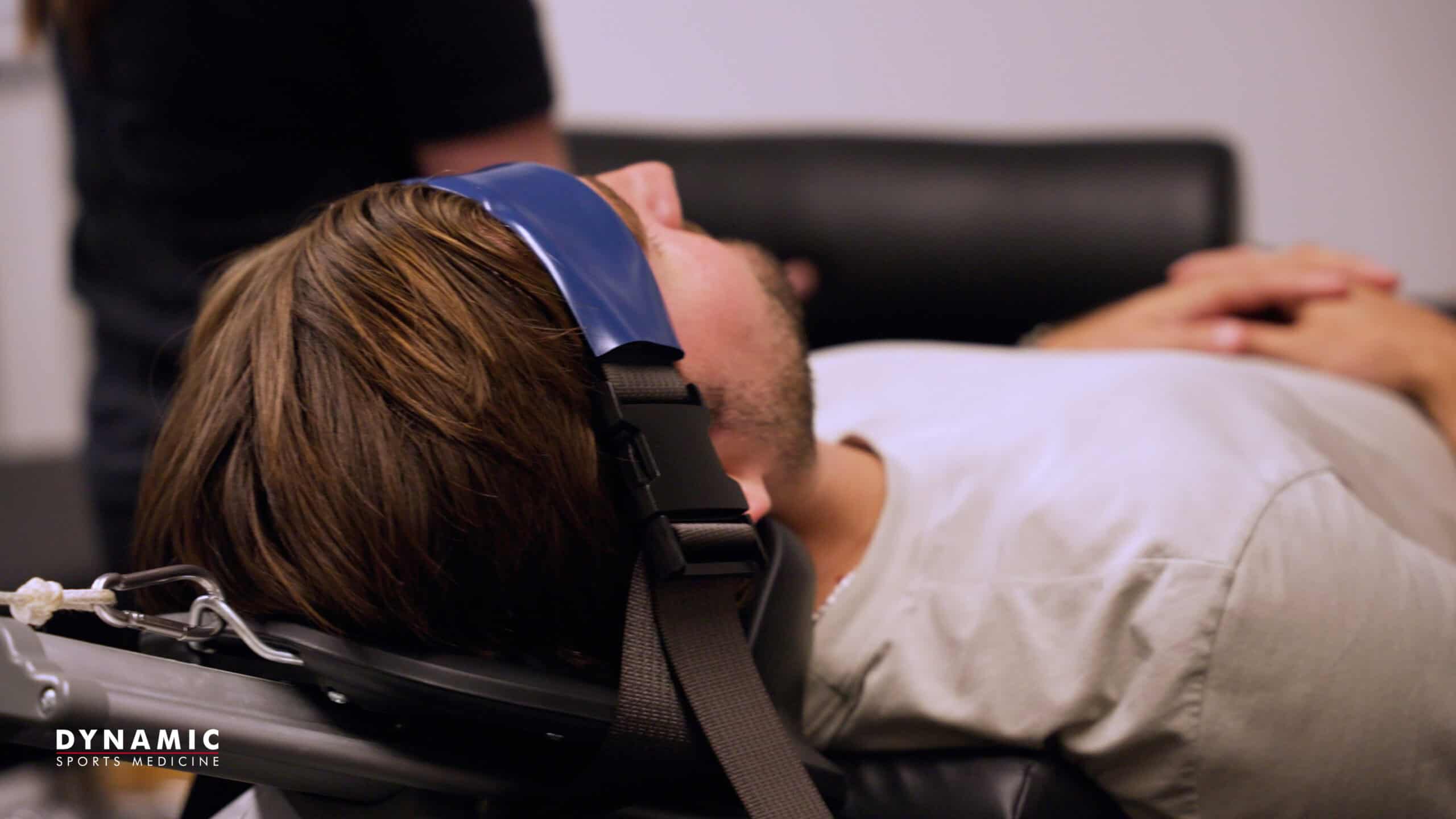
Spinal Decompression

Spinal decompression is one of the most effective non-surgical treatments for disc-related sciatica.

This therapy gently stretches the spine to reduce pressure on the affected disc and nerve root. It can help relieve nerve compression while improving nutrient flow to the damaged disc.

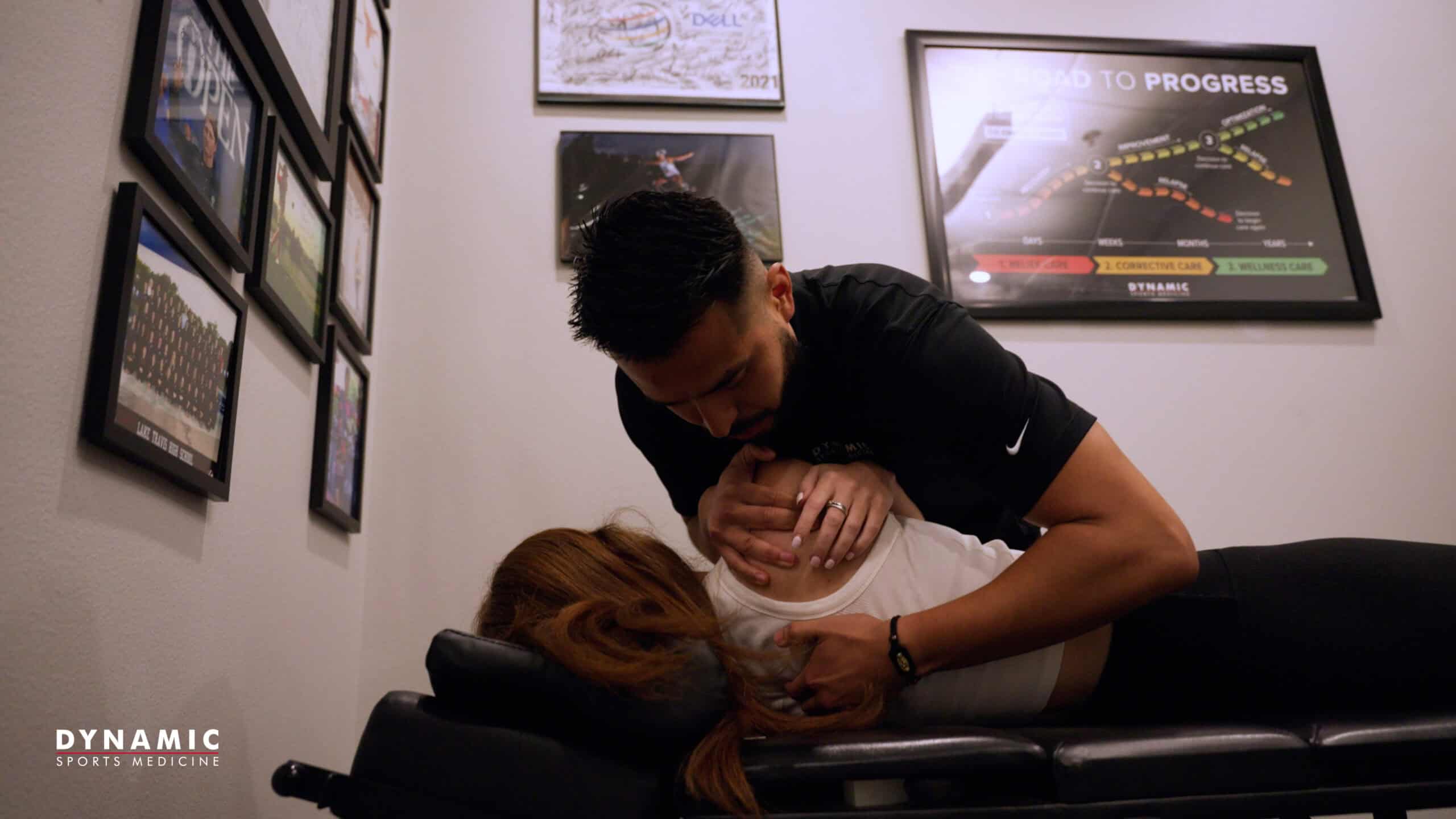
Sports Chiropractic Care

Targeted chiropractic adjustments restore proper movement in the lumbar spine and pelvis, helping reduce mechanical stress on the irritated nerve.

Improving joint motion can reduce nerve irritation and help restore normal spinal mechanics.

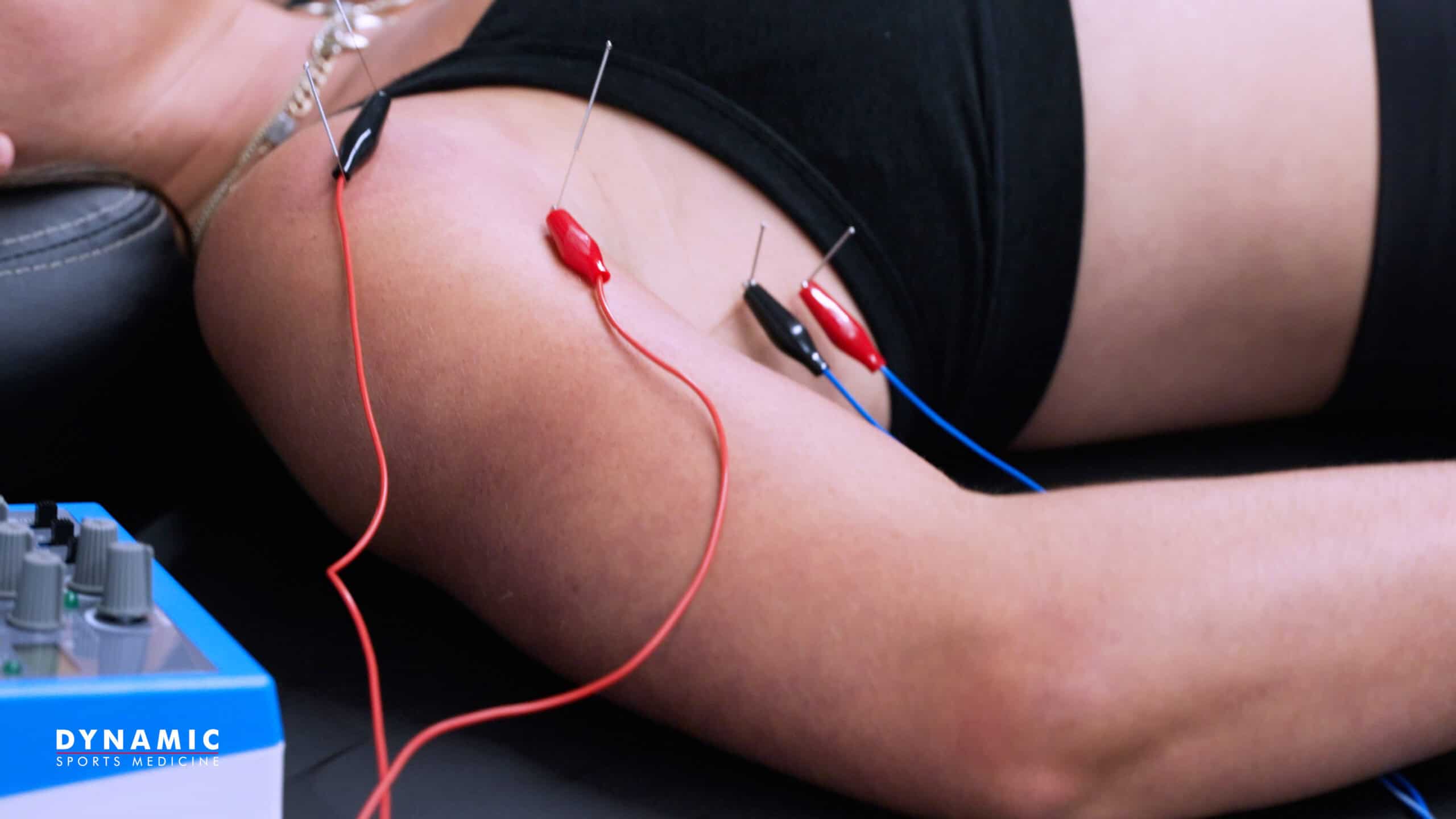
Dry Needling

Dry needling can relieve muscle tension that contributes to sciatic nerve irritation.

Muscles commonly treated include:

Piriformis

Gluteus medius and minimus

Deep hip rotators

Lumbar paraspinals

This can reduce pressure on the sciatic nerve and improve mobility.

Myofascial Release

Soft tissue therapy helps reduce tension and restriction in the glutes, piriformis, hamstrings, and lower back.

This can improve movement patterns and relieve muscular compression on the nerve.

PEMF Therapy

PEMF therapy helps reduce inflammation around irritated nerve tissue and supports the body’s healing process.

Recovery & Rehabilitation

Sciatic nerve pain can feel overwhelming, but effective treatment is available.

At Dynamic Sports Medicine, we identify the true cause of your symptoms and build a treatment plan designed to relieve nerve irritation, restore movement, and prevent future flare-ups.

Book your appointment online or contact your nearest DSM clinic today.

Start Your Recovery

Frequently Asked Questions

Recovery time depends on the underlying cause. Muscle-related sciatica may improve within 2–4 weeks, while disc-related sciatica may take 4–12 weeks with consistent treatment.

Yes. Chiropractic treatment can reduce nerve irritation by restoring spinal mobility and addressing the mechanical causes of nerve compression.

No. Prolonged bed rest can actually slow recovery. Gentle movement and guided activity are usually recommended for faster healing.

Ready to Get Relief?

Schedule your appointment with our specialists to discuss your treatment options.

Book Now


Aetna Humana Blue Cross Blue Shield Ambetter Cigna