
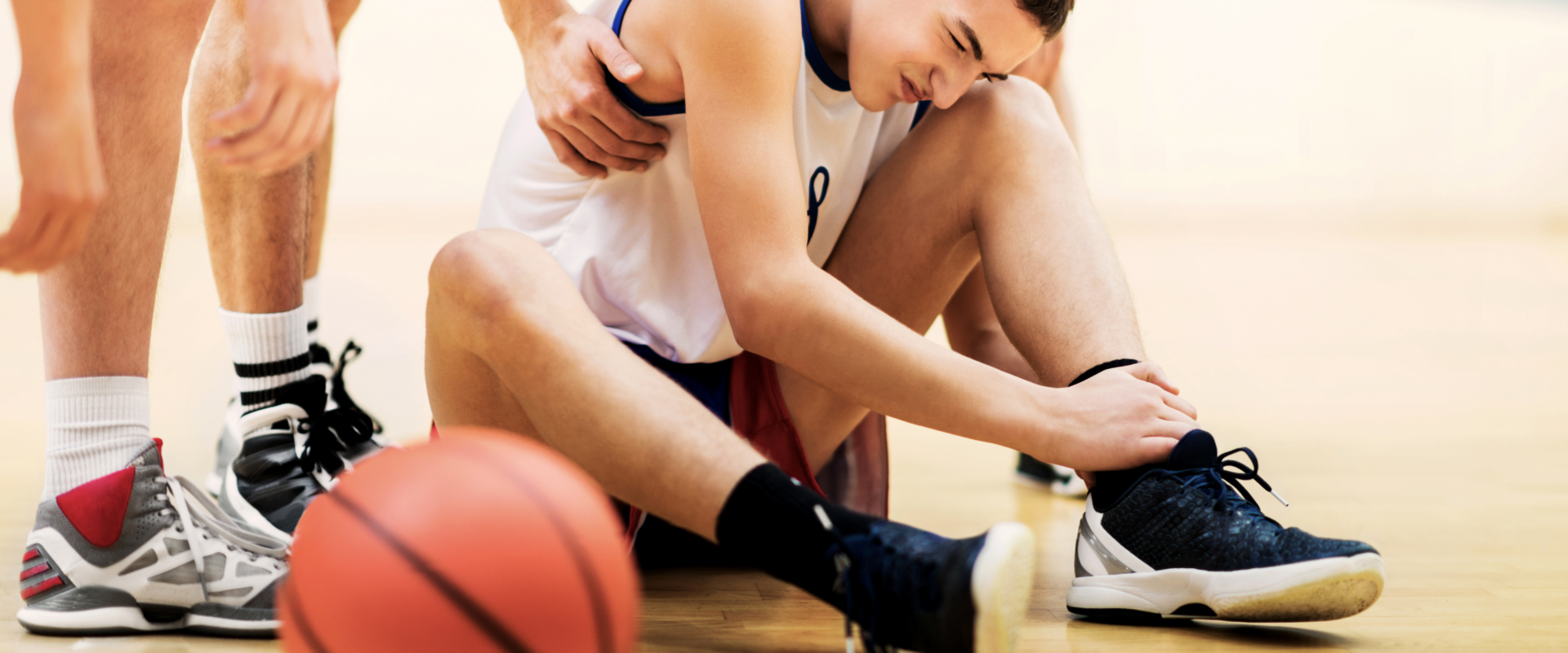

Your kid takes a hard fall at practice, gets up limping, and says it’s fine. In an adult, that mechanism might mean a sprain. In a growing athlete, it can mean something else entirely: a growth plate injury. These are the soft, developing areas of cartilage near the ends of long bones, and they’re one of the biggest differences between treating adult athletes and treating kids.
Most parents have never heard the term until a coach or a doctor uses it in the same sentence as their child’s name. That’s a problem, because growth plate injuries are common in youth sports, and they don’t always look serious at first. Here’s what you actually need to know.
Why Growth Plates Change the Whole Injury Equation
In adults, the weakest link in a joint is usually the ligament or tendon. In kids and teens, it’s often the growth plate. These plates sit near the ends of bones like the wrist, elbow, knee, and ankle, and they’re softer than the ligaments around them until an athlete reaches skeletal maturity, usually in the mid-to-late teens.
That changes what happens when your athlete gets hurt. A twisted ankle that would stretch a ligament in an adult can instead fracture the growth plate in a teenager. Same fall, same force, completely different injury. Treat a pediatric ankle like an adult’s, and you’re ignoring the growth plate. That’s not caution — that’s a setup for a bigger injury.
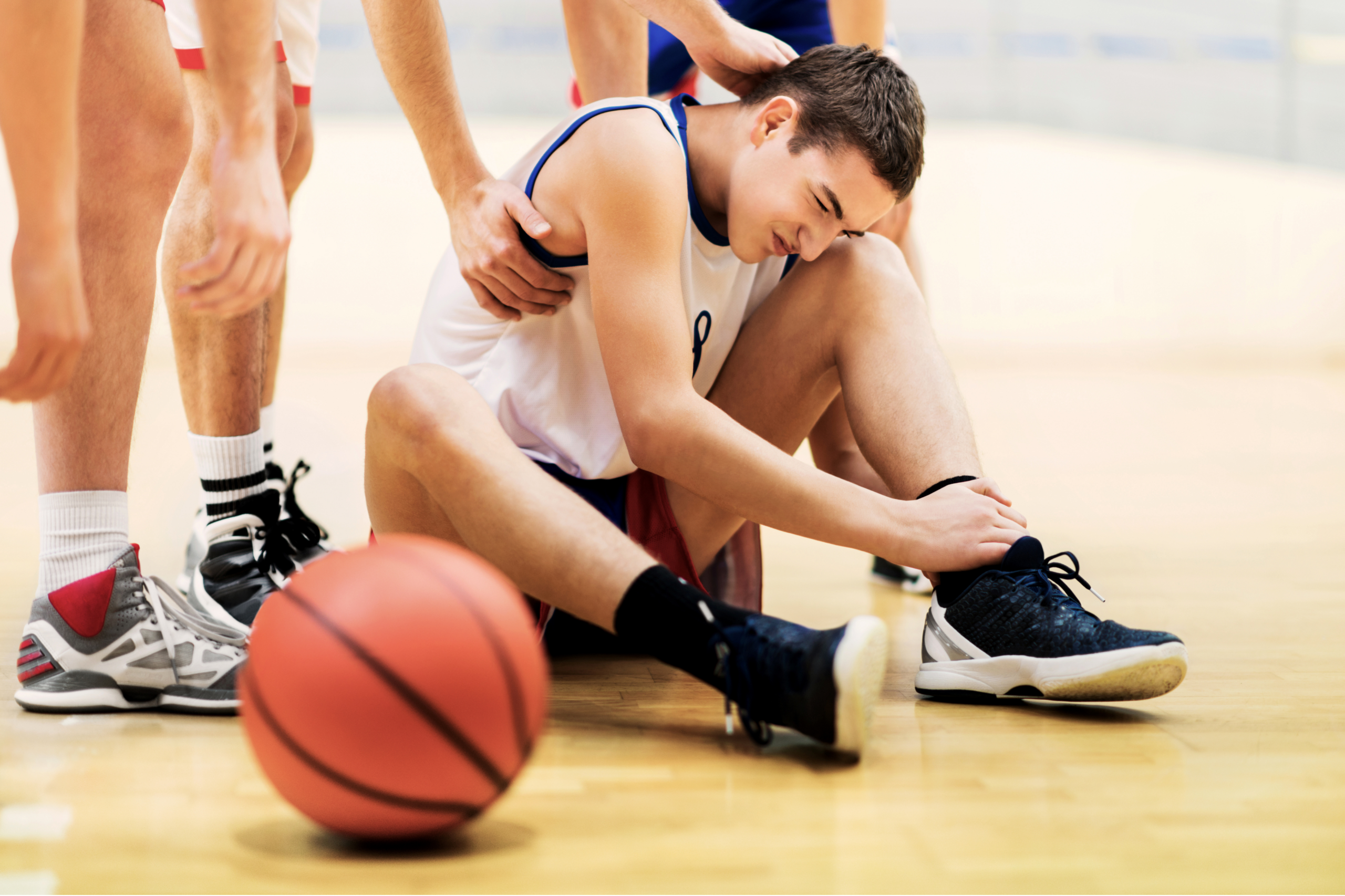
Common Growth Plate Injury Sites in Youth Sports
Growth plate injuries show up wherever young athletes load a joint repeatedly or take a direct hit. The most common sites we see:
- Wrist: falls onto an outstretched hand in gymnastics, football, and skateboarding
- Elbow: repetitive throwing in baseball and softball, especially with pitchers and catchers
- Knee: jumping and cutting sports like basketball, soccer, and volleyball
- Ankle: rolled or twisted ankles in nearly every field and court sport
Some of these are one-time trauma. Others build up slowly from overuse, which is why a young athlete who plays one sport year-round is at real risk even without a single dramatic injury moment.
Signs Parents Should Never Brush Off as “Just a Sprain”
Growth plate injuries don’t always come with obvious deformity or a trip to the ER. Watch for these signs after any fall, collision, or sudden increase in training load:
- Pain that’s localized right at a joint, not spread across the muscle
- Swelling or tenderness that doesn’t ease up after a couple of days of rest
- Visible difference in shape or alignment compared to the other side
- Your athlete favoring the limb or changing how they walk, throw, or land
- Pain that comes back every time they return to the sport, even after rest
If your gut says this isn’t a normal sprain, trust that. Growth plate injuries frequently get diagnosed late because they get treated like routine sprains for weeks before anyone takes a second look.
Why Treating It Like an Adult Injury Can Cause Long-Term Problems
Here’s the part that should get every parent’s attention: growth plates don’t just heal like other tissue. If one is injured and doesn’t get diagnosed or treated correctly, it can affect how that bone grows going forward. A fracture through the growth plate that’s missed or mismanaged can lead to a limb that grows unevenly, a joint that doesn’t align the way it should, or chronic pain that shows up months or years later.
That’s exactly why resting up and hoping it resolves shouldn’t be the go-to response when a young athlete has joint pain. Rest and ice have their place, but they can’t tell you what’s actually wrong. A growth plate injury can heal misaligned without any obvious warning signs at first. Often, the real damage only becomes apparent once a later growth spurt brings the underlying issue to the surface.
How These Injuries Are Diagnosed and Treated
Diagnosing a growth plate injury starts with a hands-on exam and a clear history of how the injury happened, followed by imaging when needed. Because growth plates are cartilage, not bone, they don’t always show up clearly on a standard X-ray the way a fracture does, which is exactly why these injuries get missed by providers who aren’t specifically looking for them.
Treatment depends on the type and severity, ranging from bracing or casting to protect the plate while it heals, to a structured return-to-play plan that respects how growing bone actually recovers. This is a different process than a typical adult sprain protocol, and it’s why families across our 14 locations bring their young athletes to a team that treats growing bodies differently from the start.
When to Get It Checked Instead of Waiting It Out
You don’t need to panic over every bump and bruise. Most youth sports injuries are minor and resolve on their own. But get your athlete evaluated instead of waiting it out if you see joint-specific pain that doesn’t improve within a couple of days, any visible swelling or asymmetry, pain that returns as soon as they resume activity, or pain following a fall, collision, or awkward landing.
The earlier a growth plate injury gets caught, the simpler the treatment and the better the long-term outcome. Waiting a few extra weeks "to see if it gets better" is exactly how a manageable injury turns into a growth problem that follows your kid into adulthood.