

Pulsed Electromagnetic Field therapy doesn’t get as much attention as some of the other recovery modalities, but among the tools we use at DSM, it’s one that consistently surprises people. It’s quiet, it’s passive, and it works at a cellular level in ways that most treatments don’t.
Here’s a straightforward explanation of what PEMF actually does, what conditions it’s most useful for, and whether it might be the right addition to your treatment plan.
What Is PEMF Therapy?
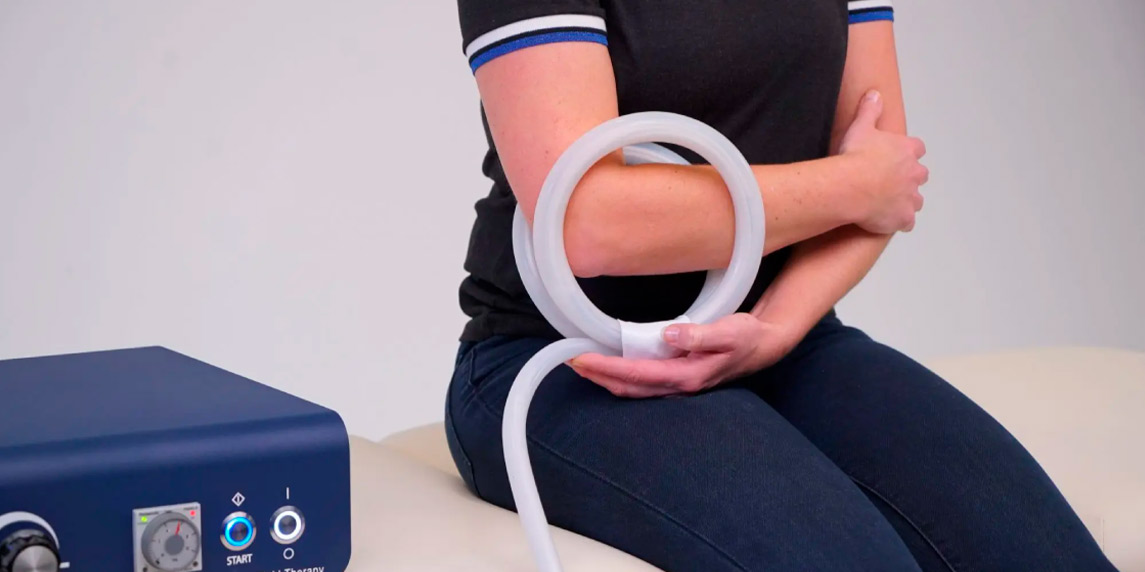
PEMF stands for Pulsed Electromagnetic Field therapy. It uses low-frequency electromagnetic pulses to penetrate tissue and interact with cells. Every cell in your body has an electrical charge across its membrane, and when that charge is disrupted by injury, inflammation, or chronic stress, cellular function degrades.
PEMF essentially acts like a recharge. It restores the electrochemical gradient across cell membranes, which accelerates a range of biological processes: ion exchange, ATP production, oxygen uptake, and the normal inflammatory signaling that drives healing. It’s not creating something new. It’s restoring conditions that allow the body to do what it already knows how to do.
PEMF devices have been FDA-cleared for bone healing since the 1970s and have an extensive research base supporting their use in pain management, inflammation reduction, and tissue repair.
What Conditions Respond Well to PEMF?
Joint pain and osteoarthritis: PEMF has some of the strongest evidence in this category. Multiple randomized controlled trials have shown meaningful pain reduction and functional improvement in knee osteoarthritis specifically. The mechanism appears to involve both reduced inflammatory cytokines and improved cartilage metabolism.
Bone stress injuries and fracture healing: this is the original clinical application, with decades of research backing it. PEMF accelerates osteoblast activity and callus formation, which speeds bone repair.
Soft tissue recovery: tendons, ligaments, and muscle tissue all show improved healing markers with PEMF. It’s a useful adjunct for tendinopathies, post-surgical recovery, and chronic overuse injuries that have been slow to respond to other treatment.
Inflammation management: PEMF modulates the inflammatory response at the cellular level, which makes it useful for conditions characterized by chronic or disproportionate inflammation.
Sleep and nervous system regulation: lower-frequency PEMF protocols have been studied for their effect on the nervous system. Some patients report improved sleep quality as a secondary benefit of treatment, particularly those with chronic pain patterns.
How PEMF Fits Into a DSM Treatment Plan
PEMF at DSM is most commonly used as a complement to active treatment, not a standalone therapy. We’ll often run a PEMF session before or after chiropractic adjustments, ART, or dry needling to enhance tissue response and reduce post-treatment soreness.
For patients dealing with arthritis, bone stress injuries, or chronic joint pain, PEMF is sometimes used as a primary modality when other interventions need to be limited.
Sessions are typically 20 to 30 minutes. There’s no discomfort involved. You lie still while the device delivers pulsed fields through the target area.
Is PEMF Right for You?
PEMF is appropriate for most people, with some contraindications. It’s not used in people with implanted electrical devices (pacemakers, cochlear implants), during pregnancy, or over active bleeding sites. It’s otherwise safe and well-tolerated across a wide range of conditions and ages.
If you’ve been dealing with joint pain that hasn’t fully resolved with other treatment, or if you’re in a recovery phase after injury or surgery, it’s worth a conversation about whether PEMF makes sense as part of your plan.