
If you follow sports medicine or recovery content online, you’ve probably heard of BPC-157. It’s the peptide that keeps coming up in podcasts, on gym floors, and in group chats between athletes trading notes on what actually works.
To be clear upfront: Dynamic Sports Medicine doesn’t prescribe BPC-157. That conversation belongs with a medical provider who specializes in peptide therapy. But a lot of the athletes and active people we treat are using it, and they ask us about it constantly — what does it actually do, does the research back it up, how does it fit with the rest of their recovery plan.
Here’s the honest rundown.
What Is BPC-157?
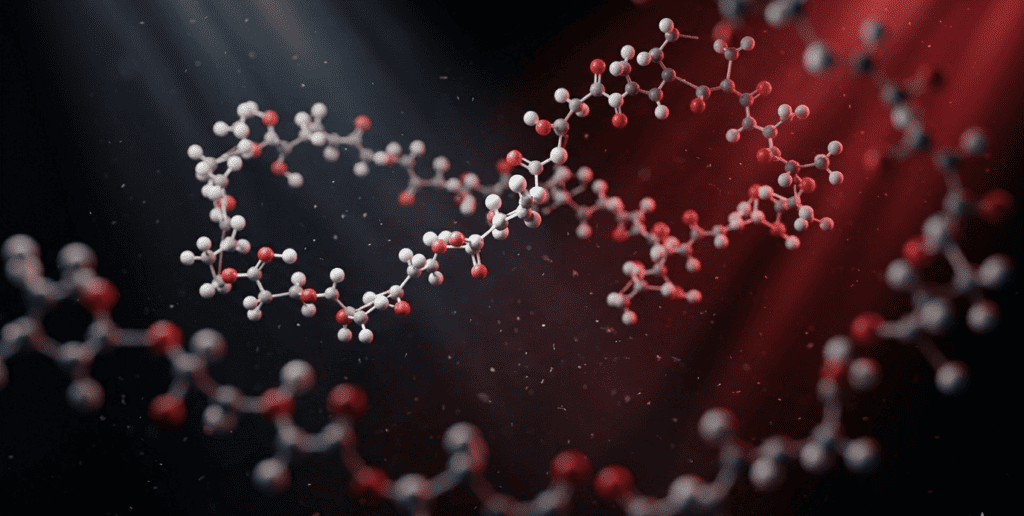
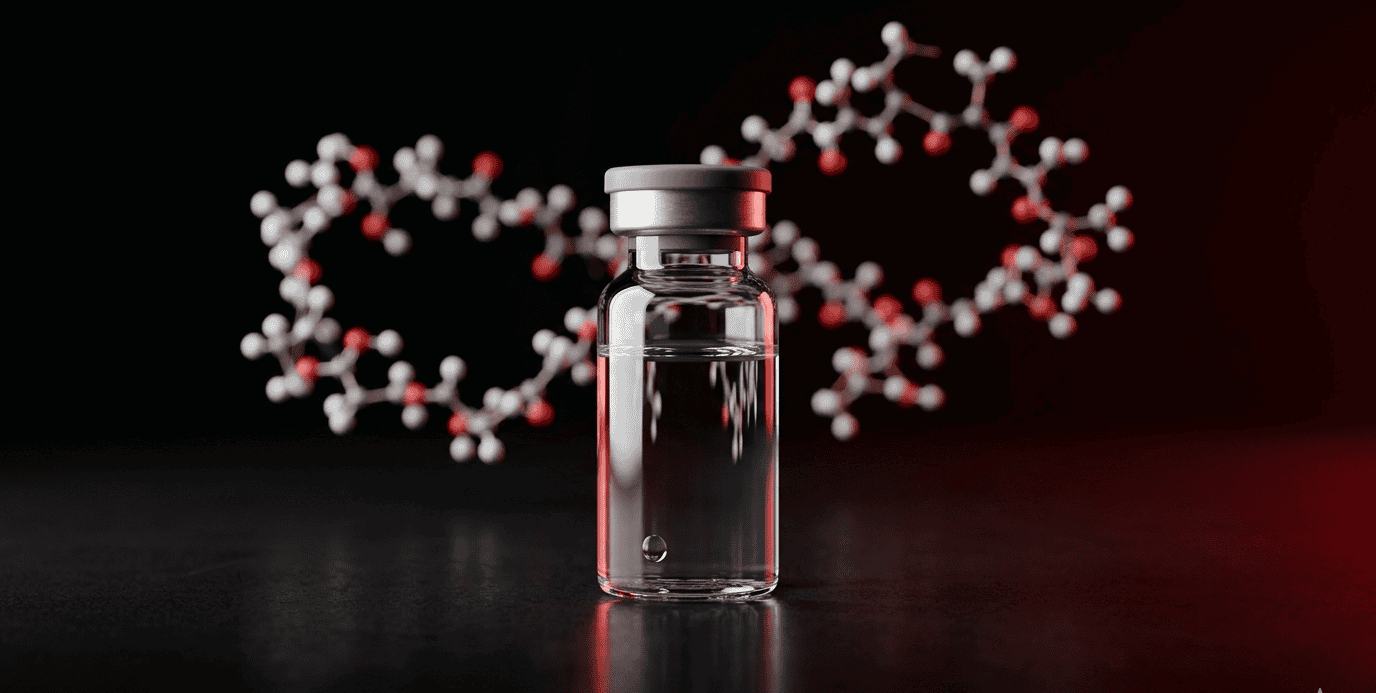
BPC-157 stands for Body Protection Compound 157. It’s a short chain of 15 amino acids originally isolated from a protein found in human gastric juice. Your own stomach produces a longer version of it naturally as part of your body’s protective and healing response.
The synthetic version used in research and therapy is a stabilized peptide designed to support tissue repair, reduce inflammation, and protect against damage across a wide range of tissues.
BPC-157 has been studied for decades, primarily in animal models, for its effects on:
- Tendon and ligament healing
- Muscle injury recovery
- Gut health and ulcer protection
- Joint and cartilage repair
- Bone healing
It’s become one of the most-discussed peptides in sports medicine because of its broad healing effects and the volume of research behind it.