

Elbow pain can be frustrating, persistent, and surprisingly limiting—whether it shows up on the tennis court, the golf course, or during everyday activities like gripping, lifting, or typing.
Two of the most common diagnoses are tennis elbow and golfer’s elbow. Despite the names, you don’t need to play either sport to develop them. Understanding the difference is the first step toward treating them correctly.
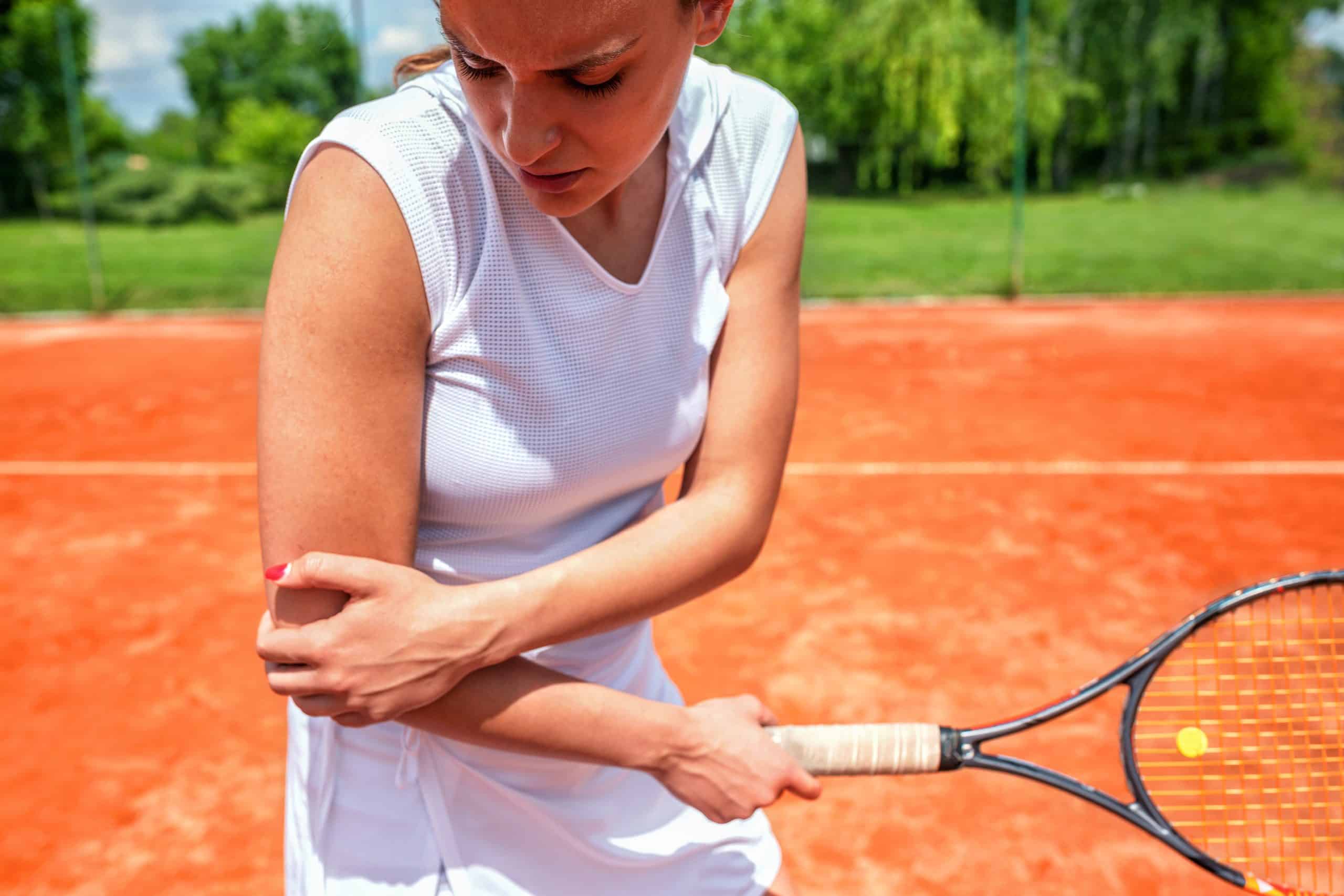
What Is Tennis Elbow? (Lateral Epicondylitis)
Location: Pain on the outside of the elbow
Primary structures involved: The wrist extensor tendons—especially the extensor carpi radialis brevis (ECRB)
Common symptoms:
- Pain with gripping, lifting, or shaking hands
- Discomfort when turning doorknobs or opening jars
- Pain during backhands in tennis or repetitive gripping tasks
Tennis elbow occurs when the tendon is exposed to repetitive load beyond its current capacity. Over time, the tissue becomes irritated, sensitive, and less tolerant of stress. This isn’t an inflammation problem—it’s a load tolerance problem.
What Is Golfer’s Elbow? (Medial Epicondylitis)
Location: Pain on the inside of the elbow
Primary structures involved: The wrist flexor and forearm pronator tendons
Common symptoms:
- Pain with gripping or wrist flexion
- Discomfort during golf swings, throwing, or pull-ups
- Tenderness along the inner elbow
Similar to tennis elbow, golfer’s elbow results from repetitive loading without adequate recovery or strength adaptation.
Key Differences at a Glance
Tennis Elbow: Outside of elbow | Wrist extensors | Gripping, lifting, tennis backhand
Golfer’s Elbow: Inside of elbow | Wrist flexors | Golf swing, throwing, pulling
Different locations—but the same underlying problem: load exceeds tendon capacity.
Why Rest and Braces Rarely Solve Elbow Pain Long-Term
Many people are told to rest, ice, stretch, or wear a brace. These can help temporarily reduce symptoms, but they rarely address the root cause. You can’t fully rest your elbows—daily activities still load the tendons. Rest alone deconditions the tissue, lowering load tolerance further. When activity resumes, the tendon is often less prepared, and symptoms return.
What Actually Works for Tennis and Golfer’s Elbow
The most effective long-term treatment is progressive tendon loading—gradually reintroducing load in a controlled way, allowing the tendon to adapt and strengthen, and improving its ability to tolerate sport, work, and daily demands.
Our Approach at Dynamic Sports Medicine
- Identify the driver: We assess grip strength, wrist and forearm loading patterns, shoulder mechanics, and sport-specific demands.
- Modify, not eliminate activity: Most patients don’t need to stop training or playing. We adjust volume, intensity, and technique while healing occurs.
- Rebuild tendon capacity: Structured loading programs restore strength, durability, and confidence.
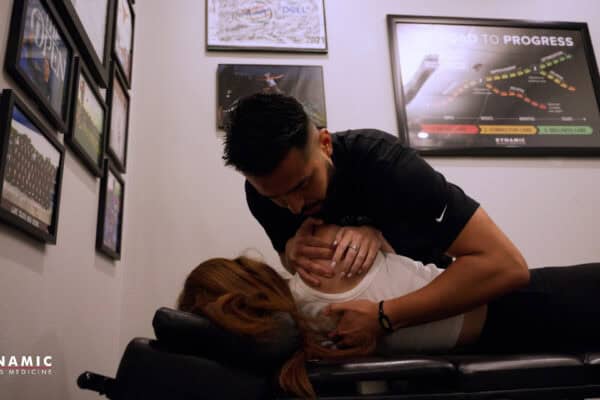
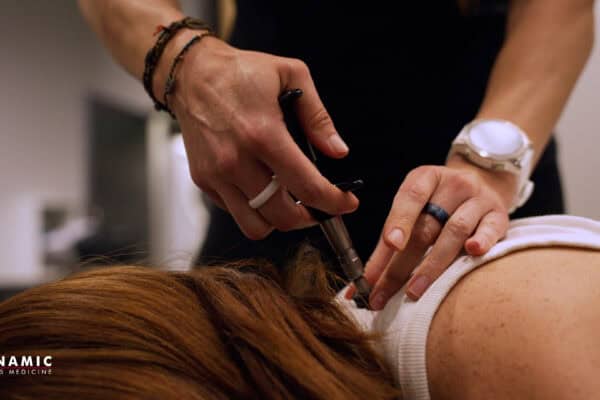
- Integrate advanced therapies when appropriate: Myofascial release, Active Release Techniques (ART), shockwave therapy, dry needling, and red light therapy help reduce sensitivity and support tissue recovery.
With a structured, evidence-based approach, many patients notice meaningful improvement within 6–8 weeks.