
Recovery services are everywhere—cryotherapy studios, compression lounges, massage guns, red light beds. They’re marketed as essential tools for athletes and anyone dealing with pain or soreness.
And to be clear: many of these tools are helpful. We use advanced modalities every day at Dynamic Sports Medicine.
But here’s the critical distinction most places don’t explain: Recovery modalities don’t fix injuries on their own. They support recovery—but they don’t replace diagnosis, loading, and movement correction.
Popular Recovery Modalities: What They Do—and Don’t Do
Massage Therapy: Reduces muscle tone, improves circulation, and feels relaxing. Helpful for symptom relief—but doesn’t strengthen tissue or correct faulty mechanics.
Cryotherapy: Temporarily reduces pain and inflammation. Effects are short-lived and similar to traditional icing for most injuries.
Compression Boots: Can reduce swelling and perceived soreness. Limited impact on tissue healing or injury resolution.
Percussion Devices: Increase blood flow and reduce soreness. Don’t address instability, weakness, or movement dysfunction.
Common theme: These are passive tools—useful, but incomplete.
Why Passive Treatments Alone Don’t Heal Injuries
Injuries heal through adaptation, not avoidance. The healing process moves through three phases: Inflammation (brings healing factors), Repair (new tissue forms), and Remodeling (tissue becomes strong through progressive loading). Remodeling is the phase that prevents re-injury—and it requires active treatment. No modality can replace that step.
Where Advanced Sports Medicine Modalities Do Matter
At Dynamic Sports Medicine, we use advanced technologies strategically—to remove barriers so rehab and strengthening can actually work:
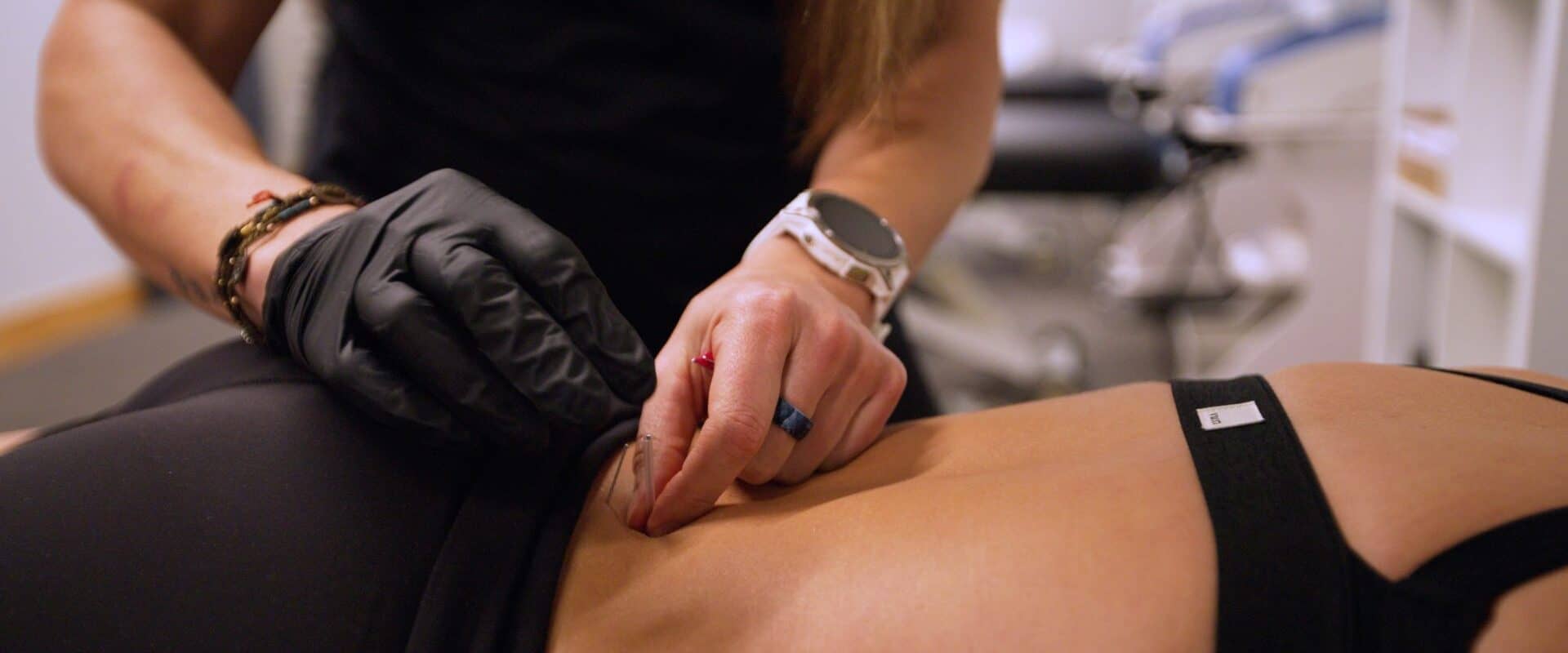
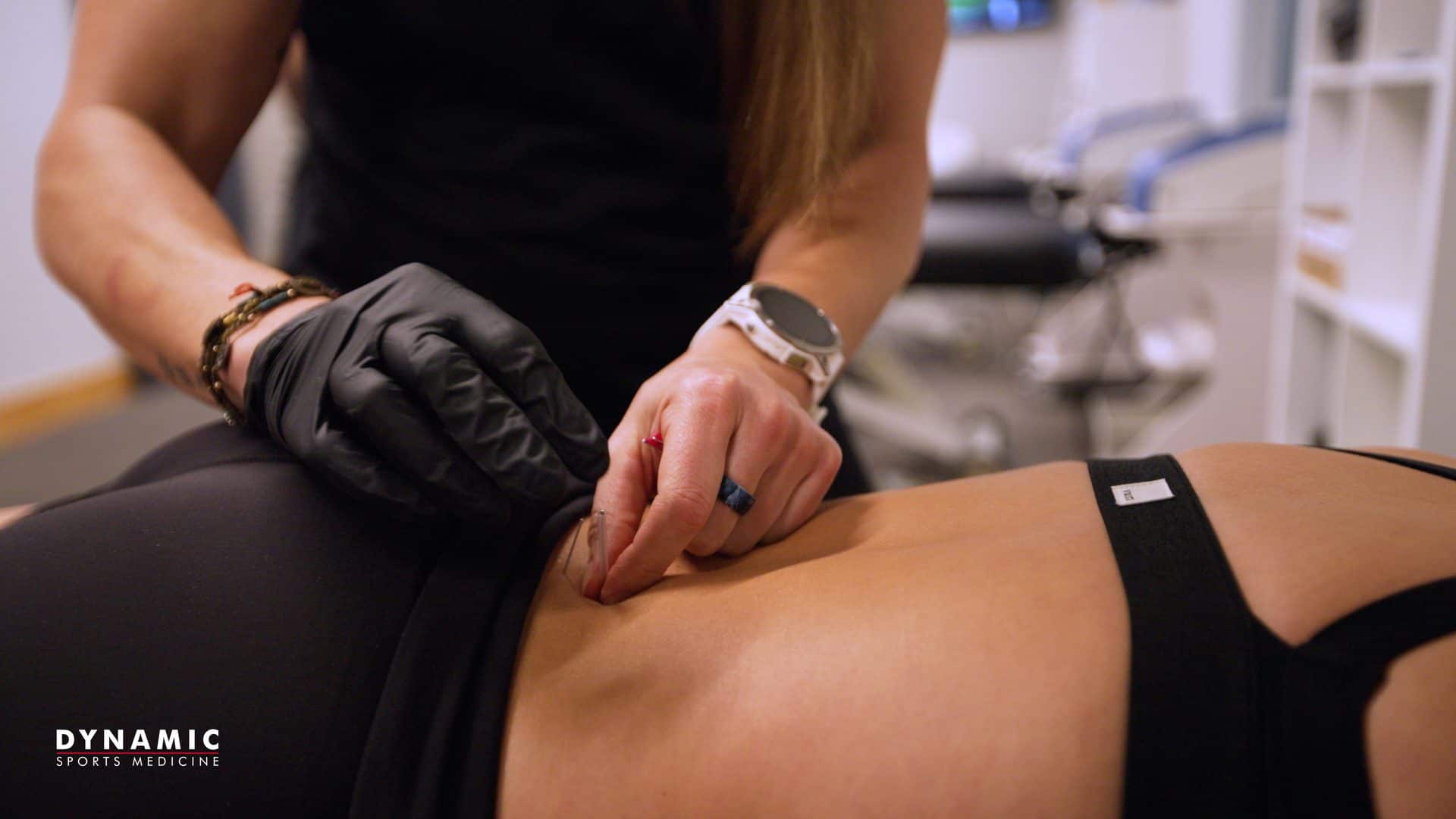
- Dry Needling with Electrical Stimulation: Used to reduce deep muscle guarding, normalize neuromuscular firing, and restore movement so strengthening can begin sooner.
- Shockwave Therapy: Applied to chronic tendon and soft tissue injuries to stimulate tissue regeneration—not just pain relief.
- Spinal Decompression: Used when disc or nerve-related pain limits movement tolerance, allowing patients to rehab without constantly flaring symptoms.
- Red Light Therapy: Supports cellular healing and inflammation reduction to improve tissue recovery between sessions.
- PEMF (Pulsed Electromagnetic Field Therapy): Used to enhance tissue healing and nervous system regulation—especially in stubborn or slow-healing cases.
Key distinction: These modalities are not the treatment—they are force multipliers that make active rehab more effective.
Red Flags Your Recovery Isn’t Working
- You feel better after treatment, but pain always returns
- You rely on modalities without getting stronger
- You’ve been “in treatment” for months with no progression
- No one can clearly explain what’s wrong
- No clear end goal or return-to-activity plan
If any of these are true, recovery is being managed—not solved.
What Real Recovery Looks Like at DSM
- A clear diagnosis and explanation
- Strategic use of advanced modalities
- Progressive strengthening and movement correction
- Ongoing reassessment and progression
- A plan to graduate from care, not depend on it
Our goal isn’t to keep you coming in forever. It’s to build a body that doesn’t need constant fixing. That’s the difference between recovery services—and sports medicine done right.