

If you have spent time around high-level athletes, coaches, or sports medicine providers, you have probably heard of Active Release Technique. It’s one of the most widely used soft tissue treatment methods in professional and Olympic sport. It’s also one of the most misunderstood outside those circles.
ART isn’t massage. It isn’t general soft tissue work. It’s a specific, protocol-driven system that addresses scar tissue, adhesions, and movement restrictions in muscles, tendons, fascia, and nerves. Here is how it works and why it gets results.
What Is Active Release Technique?
Active Release Technique is a patented soft tissue treatment system developed by Dr. P. Michael Leahy in the 1980s. It uses over 500 specific treatment protocols targeting different muscles, tendons, ligaments, fascia, and nerves throughout the body.
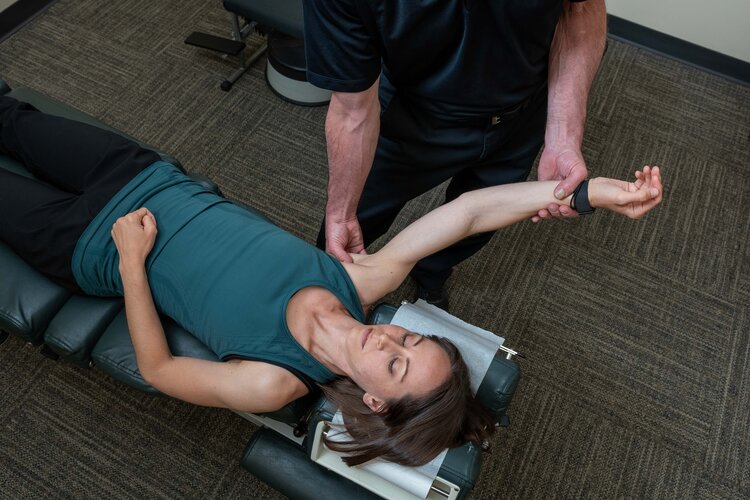
The distinguishing feature of ART is the combination of precisely applied tension to the tissue and active movement through a specific range of motion by the patient. The provider identifies the restricted or adhered tissue, applies a specific contact, and then guides the patient through a movement that creates tension in the tissue and breaks up the adhesion.
This is fundamentally different from passive massage or general myofascial work, where the patient is still and the provider moves the tissue. In ART, the movement is active and targeted.
What Causes the Problems ART Treats
Muscles and soft tissue develop adhesions and scar tissue from three main sources: acute injury where tissue tears and heals imperfectly, cumulative trauma from repetitive motion under load, and sustained pressure from static postures held over long periods.
These adhesions change how tissue moves. They reduce the slide and glide between tissue layers, limit range of motion, alter movement mechanics, and in the case of nerve entrapments, can compress nearby nerves. Over time, they contribute to chronic pain, movement dysfunction, and injury patterns that don’t resolve with stretching or general treatment.
What ART Treats
ART has broad application across the musculoskeletal system. Conditions that respond particularly well include:
What a Session at DSM Looks Like
ART sessions are hands-on and interactive. We identify the tissue involved through palpation, apply a specific tension contact, and guide you through the movement pattern that creates the therapeutic tension in that tissue. You will typically feel a focused sensation in the tissue being worked, sometimes described as a “good hurt.” The restricted area usually releases within a few passes.
Sessions often produce immediate improvement in range of motion and reduction in local tenderness. Most conditions require multiple sessions for lasting results, and ART is typically combined with other treatment at DSM, including chiropractic adjustments, dry needling, and a targeted exercise program.
Why Elite Athletes Use It
Elite athletes place enormous cumulative load on their soft tissue over training cycles. Adhesions build up faster than the body can fully resolve them. ART gives providers a precise tool to address those restrictions without the downtime of other interventions. It keeps athletes training while managing the tissue health that prolonged high-volume training inevitably affects.
It’s also fast. A targeted ART session on a specific tissue issue often produces changes in a single visit that stretching alone would take weeks to achieve, if at all.