
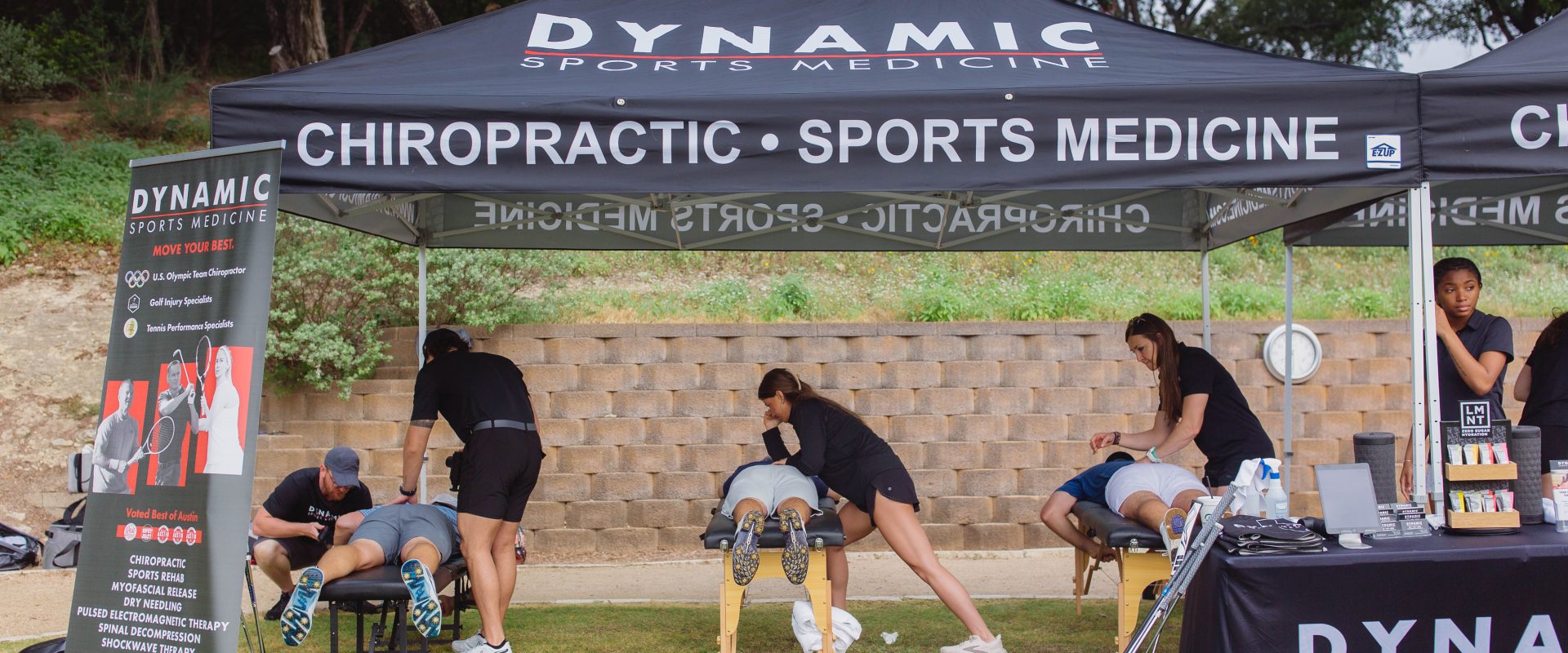

The use of chiropractic care in elite sport is no longer a fringe practice. It’s standard. NFL teams, NBA teams, MLB organizations, and national Olympic programs all employ sports chiropractors as part of their medical staffs. The question for most athletes isn’t whether sports chiropractic works, it is whether they’re accessing it strategically or only after something breaks down.
There are three distinct ways sports chiropractic supports athletic performance: acute injury management, ongoing recovery and tissue maintenance, and proactive performance optimization. All three matter. Most people only think about the first one.
Acute Injury Management
When injuries happen, sports chiropractors are equipped to assess the full musculoskeletal picture quickly and accurately. Joint dysfunction, soft tissue injury, nerve irritation, and movement pattern breakdown are all within scope. Early, targeted intervention reduces recovery time and improves the quality of healing by addressing the tissue and the movement mechanics simultaneously.
At DSM, acute injury management may include chiropractic adjustment, soft tissue work like Active Release Technique and dry needling, modalities like PEMF or shockwave depending on the tissue involved, and a structured return-to-activity plan.
Ongoing Recovery and Tissue Maintenance
High training loads accumulate in the tissue. Adhesions build up. Movement restrictions develop. Joint mechanics get compromised. For athletes in competitive seasons or high-volume training cycles, these changes happen faster than the body can fully resolve them on its own.
Regular sports chiropractic visits during training cycles serve as maintenance. They keep the tissue moving well, resolve adhesions before they become restrictions, and maintain joint mechanics under the ongoing demands of training. Think of it the way elite athletes think about sports massage, but with a broader toolkit and a more precise clinical approach.
Performance Optimization
The relationship between joint mechanics, movement quality, and athletic output is direct. When joints move through their full range and the surrounding soft tissue isn’t restricted, movement is more efficient. More efficient movement requires less energy for the same output, reduces injury risk, and over time allows for better force production and expression of athletic skill.
Sports chiropractic assessment identifies where movement is restricted, where tissue isn’t sliding and gliding properly, and where compensatory patterns have developed that reduce efficiency. Correcting these creates immediate and measurable changes in movement quality. Athletes notice it in how they feel during training.
What This Looks Like in Practice at DSM
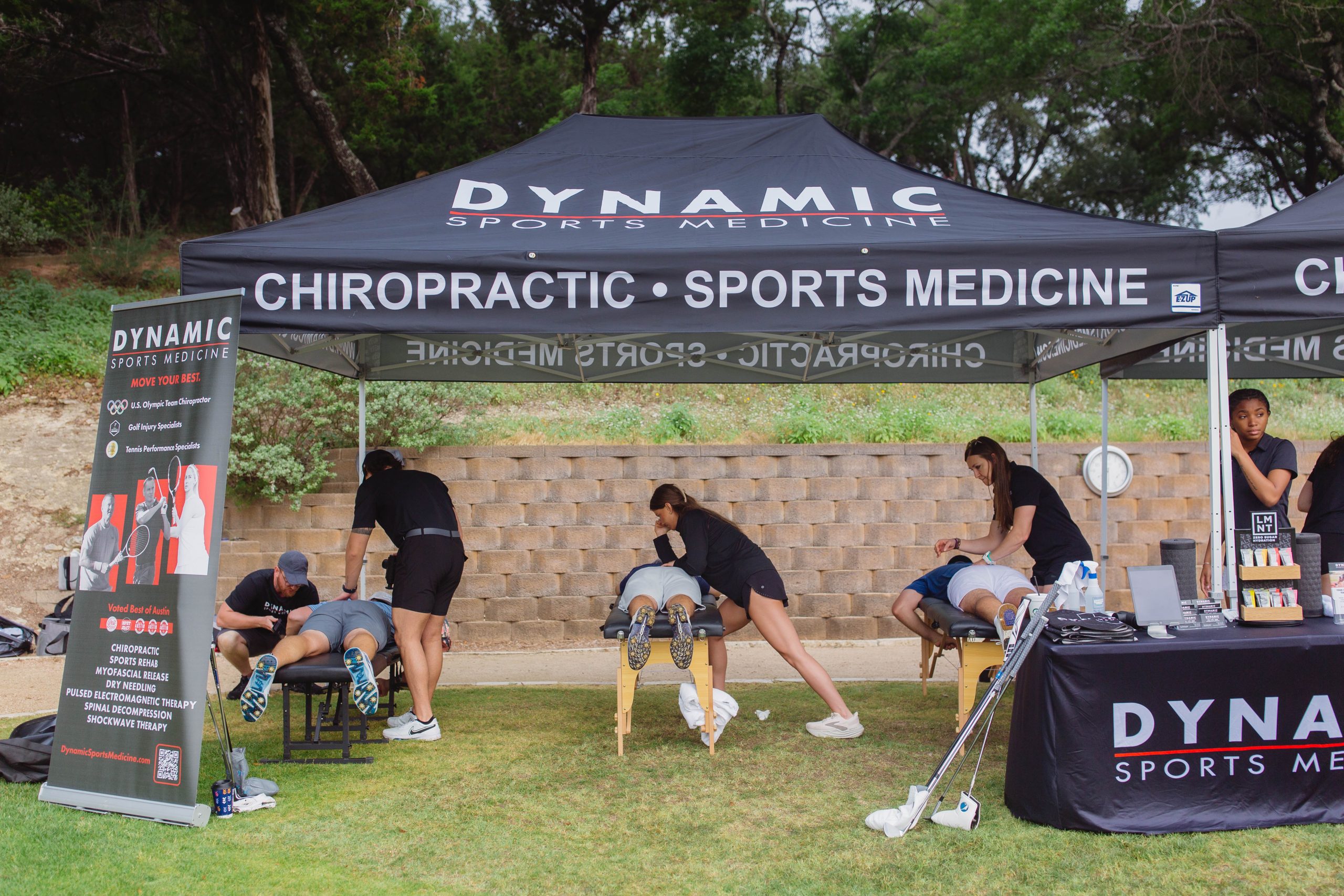
For competitive athletes, we develop a care schedule aligned with their training and competition calendar. Heavier treatment during recovery phases. Maintenance work during competition weeks. Specific injury management when issues arise. The goal is always the same: keep the athlete healthy, moving well, and performing at capacity.
For recreational athletes, the same principles apply at a less intensive scale. Regular check-ins during high-volume training blocks, addressing issues early before they sideline you, and investing in movement quality as part of your overall performance strategy.