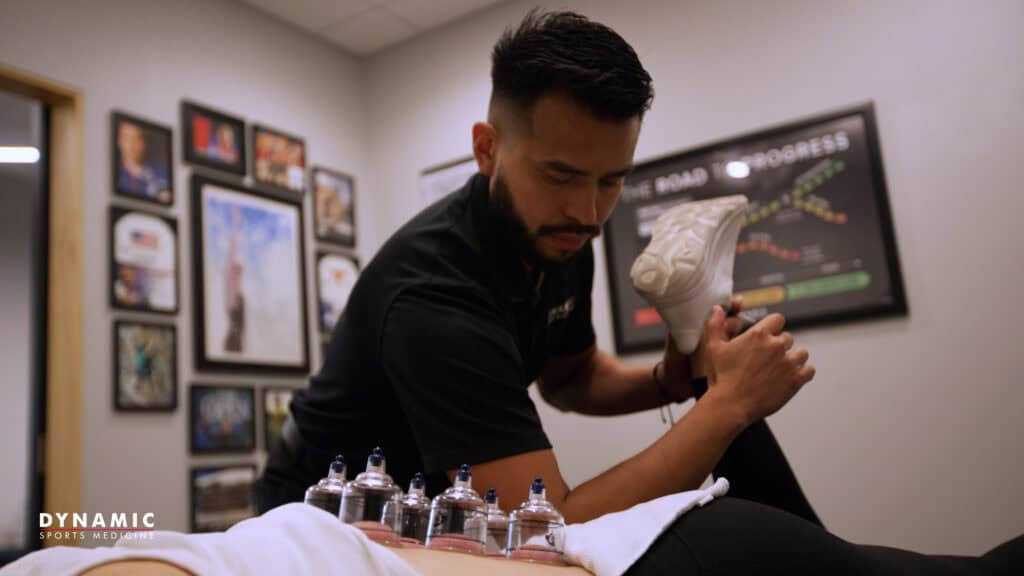
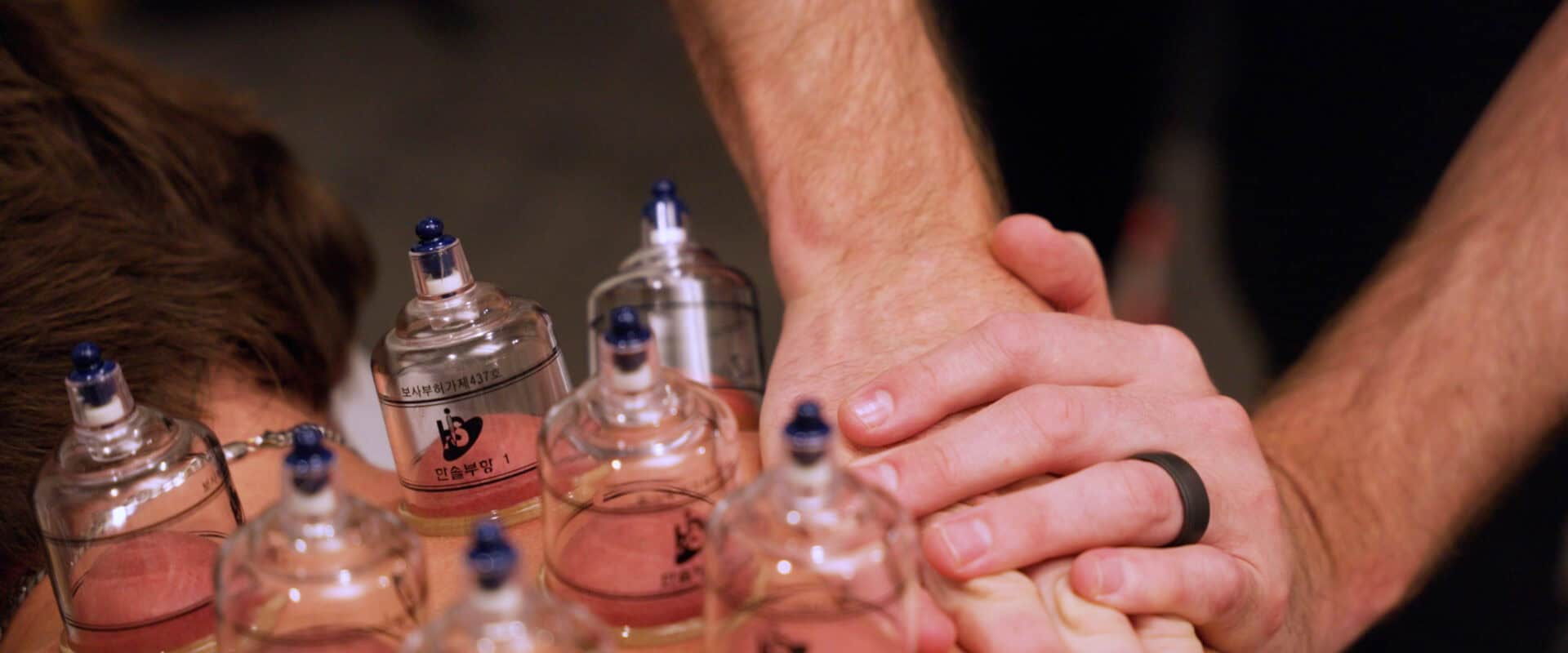

Cupping therapy session demonstrating suction cups on a patient's back for pain relief and muscle recovery.
Pain Relief

Cupping Therapy Near Me: What It Is, How It Works, and Where to Find It

Dr. Matt Lowe, DC CCSP® By Dr. Matt Lowe, DC CCSP® ·

What Is Cupping Therapy?

You’ve probably seen the marks. Dark circles on someone’s back at the gym. Maybe on an Olympic swimmer during the broadcast. You’ve thought about trying it. Now you’re searching “cupping near me” and trying to figure out where to go and what you’re getting into.

Cupping is a manual therapy technique that uses suction cups placed on the skin to lift and separate layers of tissue: muscle, fascia, and skin. The suction creates negative pressure, which is the opposite of what happens during a massage. That negative pressure increases blood flow, loosens fascia and muscle tissue, draws inflammation toward the surface where your body can process it more efficiently, and stimulates the nervous system in ways that can reduce pain perception.

Types of Cupping Therapy

When you search for cupping near you, it helps to know what type of cupping the provider offers.

Static Cupping: Cups are placed on the skin and left in position for several minutes. This is the classic method and what produces those distinctive circular marks.

Dynamic Cupping: Cups are placed with suction and then moved across the skin, sometimes while you actively move the joint or muscle underneath. Dynamic cupping covers more surface area and is particularly effective for larger muscle groups and movement-related restrictions.

Movement Cupping: Cups are applied to an area and then you move through a range of motion while the suction holds. One of the more effective approaches for people who feel stuck in certain positions.

At Dynamic Sports Medicine, we use all three methods depending on what your body needs.
Does Cupping Therapy Hurt?

Most people describe cupping as a strong pulling sensation. It’s unusual if you’ve never experienced it, but it’s rarely painful. Some people find it deeply relaxing. Others feel mild discomfort, especially over areas that are particularly tight or inflamed. Your provider controls the suction level and can reduce it immediately if it’s too intense.

What Are Those Cupping Marks?

The circular marks left by cupping are not bruises. Bruises happen when blood vessels are damaged by impact. Cupping marks happen when blood is drawn to the surface through suction. The discoloration comes from blood and metabolic waste being pulled into the superficial tissue layers where it can be cleared more efficiently by your lymphatic system.

  • Dark purple or red marks usually indicate more stagnation or restriction in that area
  • Light pink marks suggest healthier tissue with better circulation
  • No marks at all can happen in areas with good tissue health

Marks typically fade within 3 to 7 days, sometimes faster.

What Does Cupping Treat?

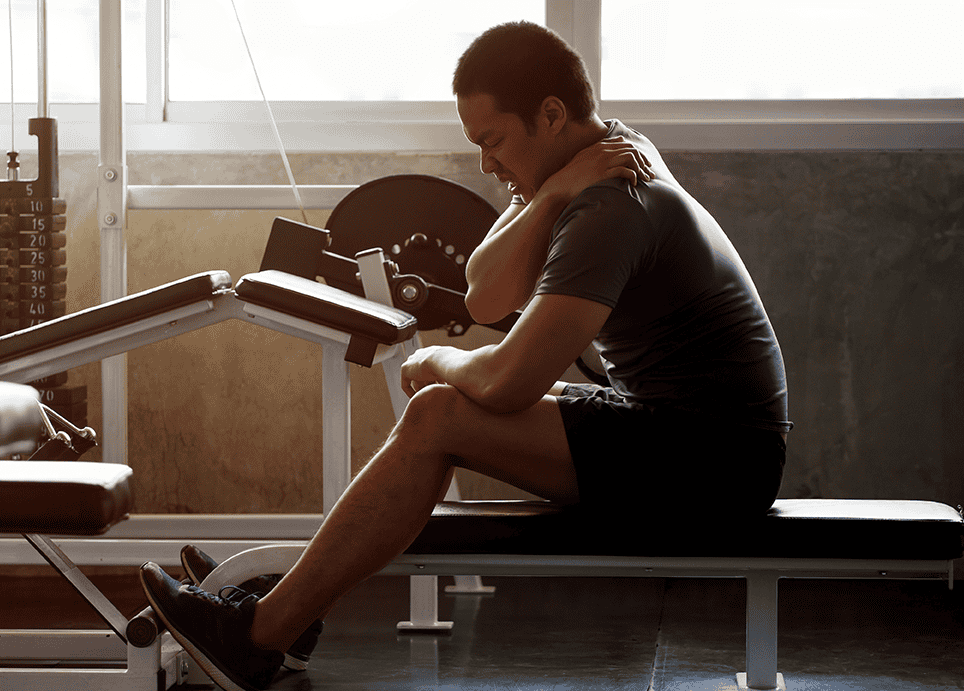
Muscle tightness and restriction. This is the most common reason people search for cupping near them. Chronically tight shoulders, a stiff upper back, or hamstrings that never loosen up. Cupping can create space in the tissue that stretching alone can’t always achieve.

Back and neck pain. Cupping increases circulation and reduces muscle tension in the paraspinal muscles. Many people feel immediate relief after a session targeting the back and neck.

Myofascial pain. Fascia is the connective tissue that wraps every muscle, organ, and nerve in your body. When fascia gets restricted or adhered, it creates pain and limits movement. Cupping is one of the most effective ways to release fascial restrictions.

Recovery after training. Athletes use cupping to speed up recovery between training sessions. The increased blood flow helps flush metabolic waste and brings fresh oxygen and nutrients to fatigued muscles.

Shoulder and hip mobility issues. Cupping around the shoulder capsule or hip joint can improve range of motion by releasing the soft tissue restrictions that limit movement.

Is Cupping Therapy Backed by Research?

Multiple systematic reviews show cupping provides short-term pain relief for low back pain. Studies consistently show improvements in pain and range of motion for neck and shoulder pain. Clinical evidence supports cupping for releasing fascial restrictions.

Cupping is not a cure-all. It’s a tool that works well for specific conditions, especially when combined with other treatments.

What to Expect During a Cupping Session

If you’ve never had cupping before, here’s how a typical session works:

  • Your provider assesses the area and determines where cups will be placed
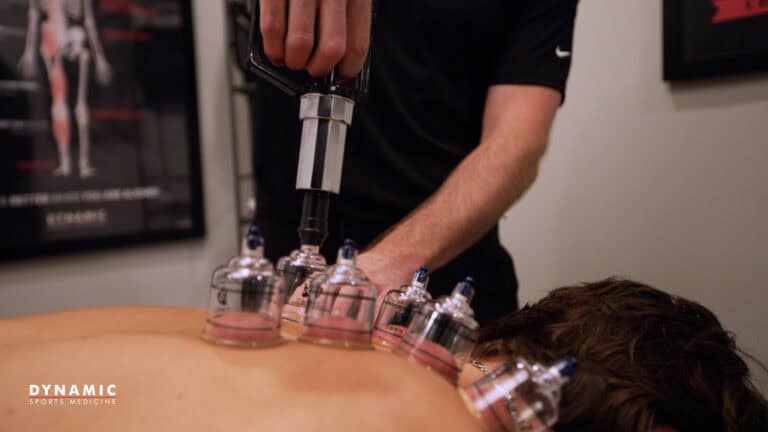
  • Cups are applied using a hand pump or silicone squeeze method (no fire involved in modern medical cupping)
  • For static cupping, cups stay in place for 5 to 15 minutes
  • For dynamic cupping, cups are moved across the skin for a similar duration
  • The entire treatment typically takes 15 to 30 minutes as part of a broader visit

You can return to normal activity immediately. Stay hydrated. Mild soreness in the cupped areas is normal for 24 to 48 hours.

Who Should Avoid Cupping?

  • Skin conditions in the treatment area (open wounds, sunburn, active rash)
  • Blood clotting disorders or use of blood-thinning medications
  • Pregnancy (cupping on the abdomen and lower back is generally avoided)
  • Fragile skin from age or long-term steroid medications

What to Look for When Searching for Cupping Near You

Licensed provider. Cupping should be performed by a licensed healthcare professional: a chiropractor, physical therapist, athletic trainer, or other qualified practitioner. Avoid spa-only settings where the person applying cups may not have a clinical background.

Assessment-first approach. A good provider won’t just stick cups on you. They’ll assess your movement, identify what’s restricted, and use cupping as part of a treatment plan.

Multiple cupping techniques. Static cupping alone is limited. Look for a clinic that offers dynamic cupping and movement cupping.

Combined with other treatments. Cupping works best when it’s layered with other manual therapy, joint mobilization, corrective exercise, and movement assessment.

Where to Find Cupping Therapy in Texas

Dynamic Sports Medicine offers expert cupping therapy at every location across Texas. Our providers combine cupping with sports chiropractic, dry needling, myofascial release, and corrective exercise to treat the root cause, not just the symptom.

Cupping Therapy in Austin

Cupping Therapy in Dallas-Fort Worth

Cupping Therapy in Houston

Common Questions About Cupping Therapy

Cupping marks typically fade within 3 to 7 days, sometimes faster. The intensity of the marks depends on the level of restriction in the tissue.

Frequency depends on your condition and goals. For acute issues, weekly sessions are common initially. For maintenance and recovery, every 2 to 4 weeks is typical.

Yes. Many athletes use cupping to speed recovery between training sessions, improve tissue mobility, and maintain range of motion during heavy training blocks.

Cupping is often included as part of a chiropractic or manual therapy visit. Coverage varies by plan. Contact your insurance provider or our office for details.

Dynamic Sports Medicine offers cupping therapy at nine locations across Texas: four in Austin (Downtown, Cedar Park, Georgetown, Westlake), four in DFW (Dallas, Southlake, Irving, Plano), and one in Houston (West University).

Find Cupping Therapy Near You

Dynamic Sports Medicine has nine locations across Austin, Dallas-Fort Worth, and Houston. Whether you're dealing with chronic tightness, recovering from training, or curious about what cupping can do, our team is here to help.

Book a Cupping Session
Aetna Humana Blue Cross Blue Shield Ambetter Cigna