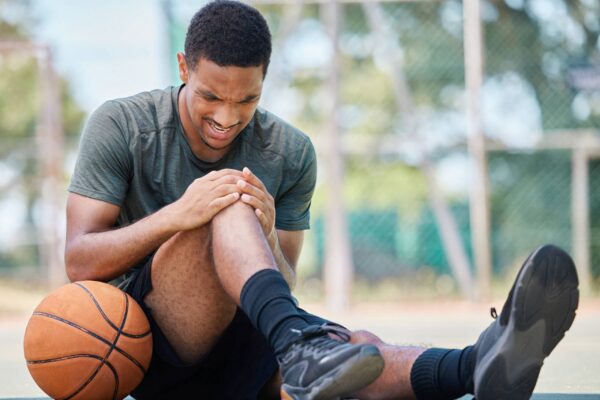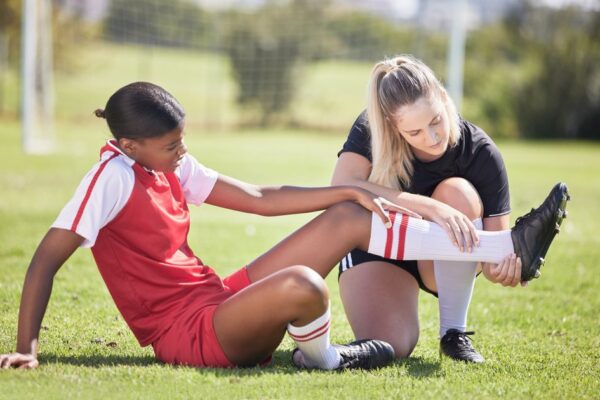
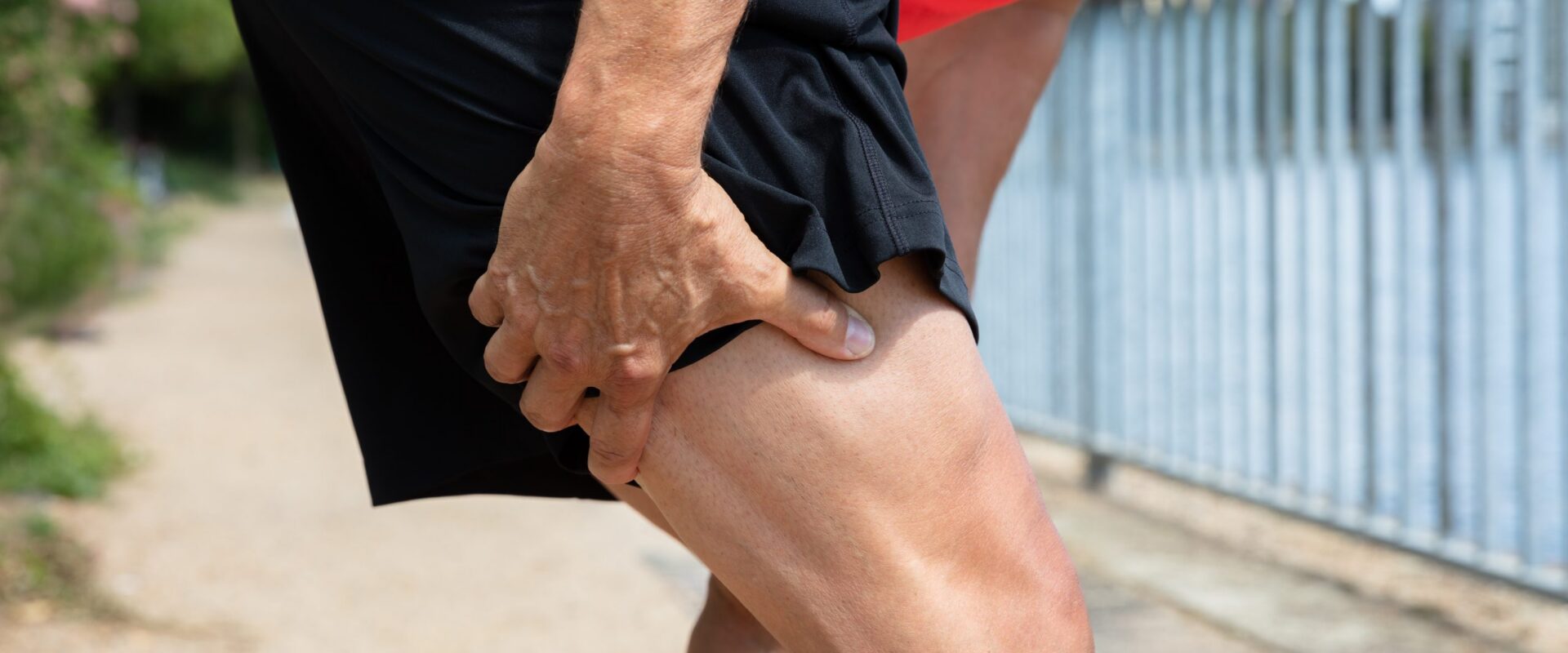

If you coach or parent a young athlete in a sport that involves sprinting — football, soccer, volleyball, track — you’ve probably seen it happen: a sudden grab at the back of the thigh mid-stride, followed by a limp to the sideline. Hamstring strains are one of the most common soft-tissue injuries in youth and high school sports, and they’re also one of the most commonly mismanaged, usually because athletes come back too soon.
Why Hamstring Strains Are So Common in Young Athletes
The hamstrings work eccentrically at high speed — meaning they’re lengthening under load while decelerating the leg during sprinting, right before the leg swings forward again. That’s a demanding job, and a few things make young athletes especially vulnerable to it:
- Growth spurts that outpace strength gains, leaving muscles relatively weak for a longer limb
- Quad-dominant training habits that leave hamstrings underdeveloped relative to the muscles around them
- Inadequate warmup before sprinting, jumping, or cutting
- A previous hamstring strain that wasn’t fully rehabbed before return to sport — the single biggest risk factor for a repeat injury
The Three Grades of a Hamstring Strain
Not all hamstring strains are the same, and the grade determines both the recovery timeline and how the injury should be handled.
- Grade I — mild overstretch or microscopic tearing; soreness, minimal strength loss, usually still able to walk normally
- Grade II — partial tear with noticeable pain, swelling, bruising, and a visible limp
- Grade III — complete tear, often with a “pop” felt at the time of injury, significant pain, and inability to bear weight normally
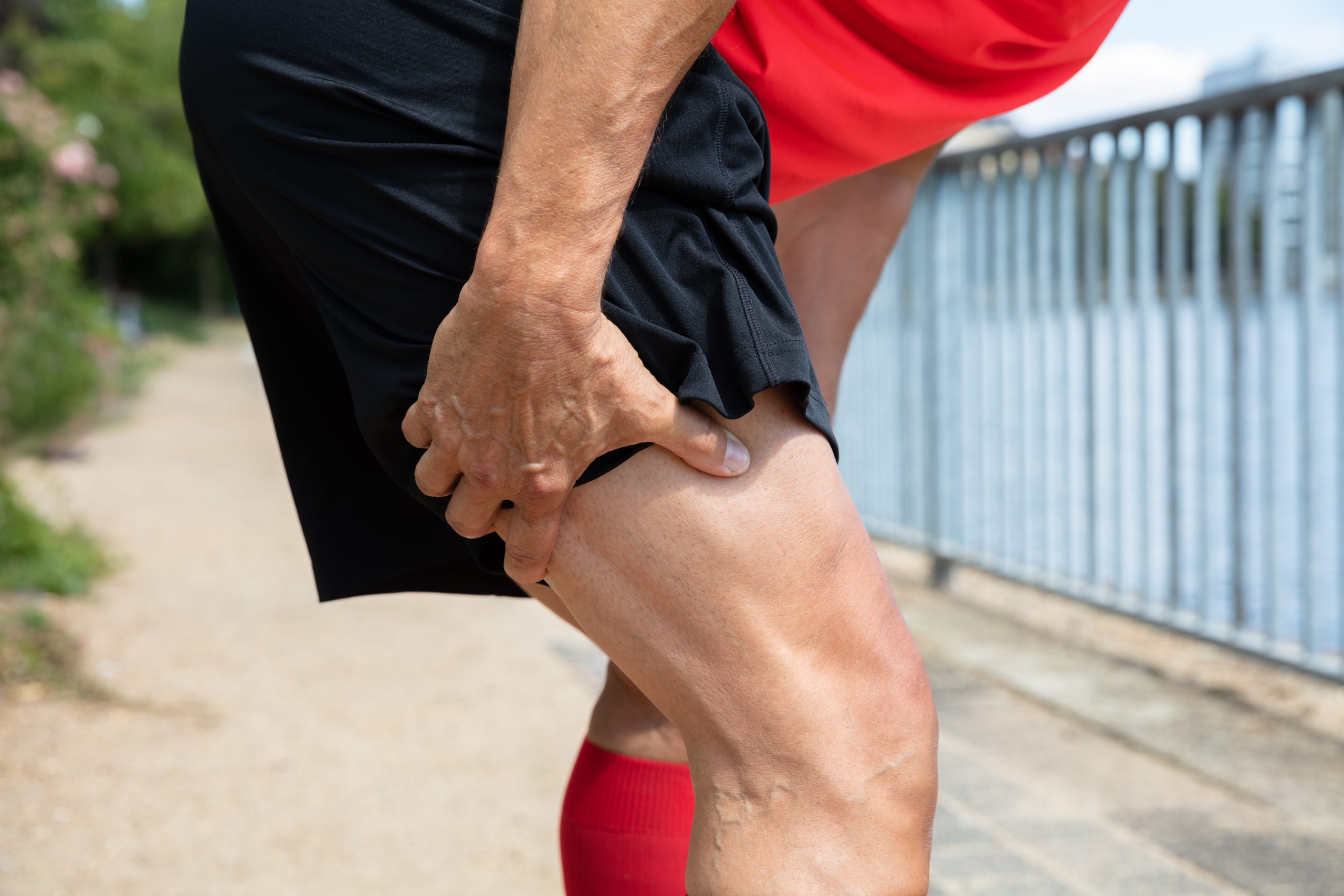
What a Hamstring Strain Actually Feels Like
Most athletes describe a sudden, sharp pain in the back of the thigh during a sprint, an aggressive kick, or an explosive change of direction — sometimes with an audible pop in more severe cases. It’s followed by tightness, difficulty extending the knee fully, pain when bending forward, and pain to the touch along the muscle. Bruising, if it appears, usually shows up a day or two later as blood tracks down the leg.
The Biggest Mistake: Rushing Back Too Soon
This is the single most important thing for parents and coaches to understand: a hamstring strain that isn’t fully healed before return to sport doesn’t just risk a setback — it dramatically increases the risk of re-injury, often in a worse form than the original strain. Scar tissue from an incompletely healed strain is less elastic than normal muscle, which makes the area more vulnerable the next time it’s loaded at speed.
“Feeling better” and “ready to sprint at full speed” are not the same thing. Pain-free walking or jogging can happen weeks before the muscle can safely handle a full-speed sprint or cut.
Recovery Timeline (Realistic Expectations)
Timelines vary by grade and by how the injury is managed, but general ranges are:
- Grade I: 1–3 weeks
- Grade II: 3–8 weeks
- Grade III: 2–3+ months, occasionally requiring surgical evaluation for a complete tear or avulsion
These ranges assume proper rehab, not just rest. Rest alone lets pain subside, but it doesn’t rebuild the strength and elasticity needed to sprint safely again.
How to Prevent the Next One
- Eccentric strengthening — exercises like Nordic hamstring curls have some of the best research behind them for reducing hamstring injury risk
- A real dynamic warmup before every practice and game, not just a lap and some static stretching
- Addressing strength imbalances between the hamstrings and quads, and between the left and right leg
- A full, graded return-to-sport progression after any strain, rather than jumping straight back into practice
- Managing overall training load — sudden spikes in sprint volume, like the jump from summer conditioning to full-speed preseason work, are a known risk window
When to See a Sports Medicine Provider
Any hamstring strain beyond mild soreness is worth having evaluated, especially before a return to full-speed activity. Our team works with young athletes to grade the injury accurately, build a rehab plan that actually restores strength and elasticity, and clear athletes for return to sport based on function — not just how many weeks have passed on a calendar.