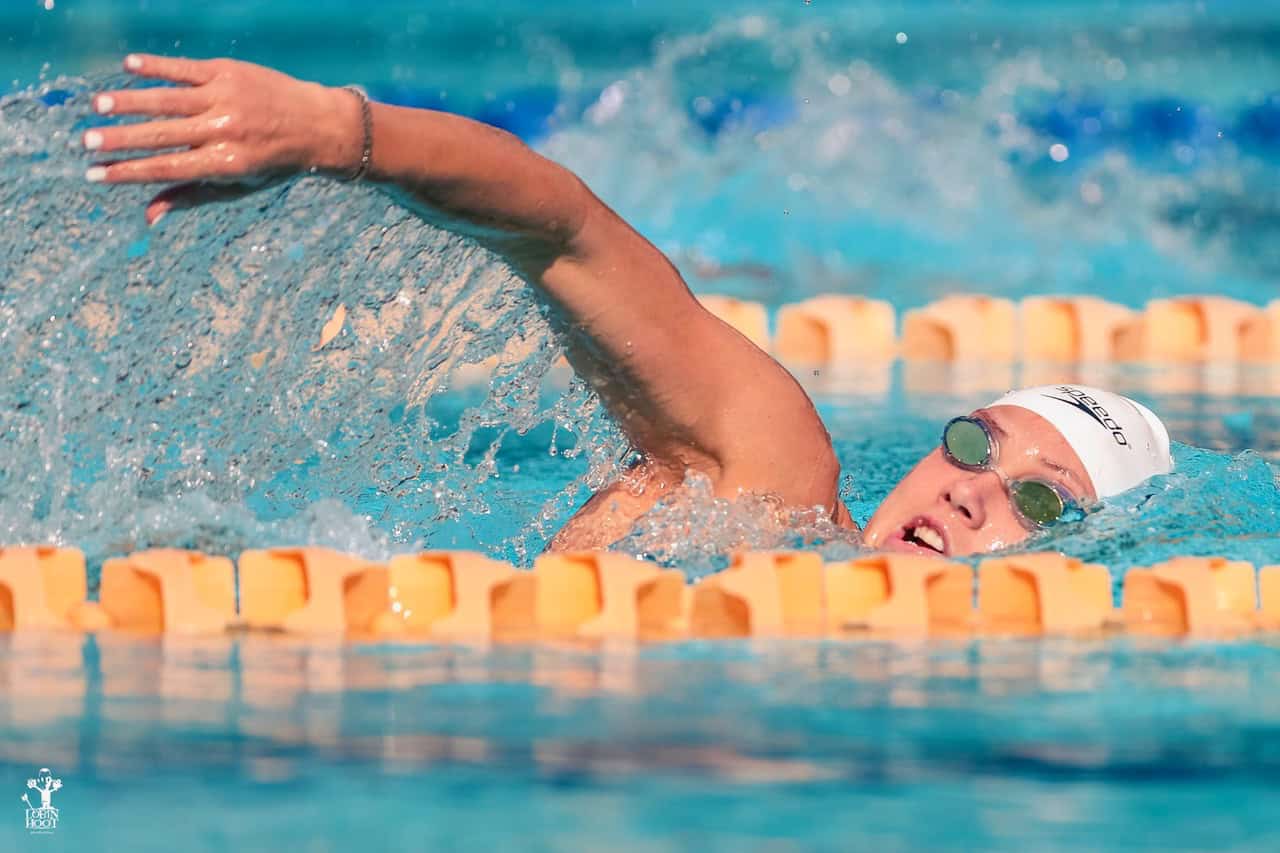
Back-to-school means back-to-training, and training load goes up fast. Two-a-days, club practice, weight room work, games on the weekend. Most families focus on the schedule and the gear. Fewer focus on whether their athlete is actually eating and drinking enough to support all of it.
Underfueling is one of the most common issues we see in young athletes, and it rarely gets flagged as a nutrition problem. It shows up as fatigue, slow recovery, or an injury that seems to come out of nowhere. Here’s what proper fueling and recovery actually look like, and the warning signs worth paying attention to.
Why Young Athletes Are Often Underfueled Without Realizing It
A growing teenager training multiple hours a day needs meaningfully more food than a sedentary peer, but appetite doesn’t always keep pace with output. Practice schedules eat into meal times. School lunch gets rushed or skipped. Between-class snacks get traded for a few extra minutes of sleep. None of this looks like a diet — it’s just a busy schedule quietly running a growing body on empty.
The gap compounds over a season. An athlete who’s slightly underfed on Monday is still behind on Friday, and that deficit shows up as heavy legs, slower reaction time, and a body that struggles to repair the small amounts of daily wear and tear that hard training creates.

What Proper Fueling Actually Looks Like
This isn’t about a meal plan or cutting anything out. It’s about consistency and volume built around the training day.
- Regular meals, not skipped or delayed ones — three solid meals plus snacks on training days, not two meals and a protein bar
- A meal or substantial snack within a couple hours before hard practice or a game
- Enough variety that an athlete gets carbohydrates for fuel, protein for repair, and fat for the long haul — not one of these at the expense of the others
- Eating enough on rest days too, since recovery from the week’s training still happens on days off
If your athlete finishes practice and immediately wants to eat everything in the pantry, that’s usually the body telling you the day’s meals didn’t cover the training load — not a discipline problem.
Hydration Beyond “Drink More Water”
Water matters, but timing and consistency matter more than volume alone. An athlete who shows up to practice already behind on fluids can’t fully make it up mid-session, no matter how much water is on the sideline.
- Hydrate steadily through the school day, not just right before practice
- For practices or games longer than an hour, especially in Texas heat, fluids with some electrolytes help replace what’s lost in sweat
- Dark yellow urine, headaches, or cramping during practice are signs an athlete is playing catch-up on fluids, not staying ahead of them
The Recovery Window After Practice and Games
The hour or so after hard training is when the body is primed to restock the fuel it burned and start repairing muscle. Skipping this window doesn’t ruin a single practice, but skip it enough times across a season and recovery starts falling behind training.
- A snack or meal with both carbohydrates and protein soon after practice ends, rather than waiting until dinner hours later
- Replacing fluids lost during the session, not just whatever’s left in the water bottle
- Prioritizing sleep on hard training days — this is when a lot of the actual physical repair happens
Families we work with at our 14 locations across Texas often find that this one window — the 60 minutes after the final whistle — is the easiest piece to fix and one of the fastest ways to see an athlete bounce back week to week.
Warning Signs of Under-Fueling
Under-fueling doesn’t usually announce itself. It shows up sideways, and it’s worth taking seriously when you see it.
- Fatigue that doesn’t improve with more sleep or a lighter week
- Frequent minor injuries, or injuries that take longer than expected to heal
- Noticeable mood changes, irritability, or trouble concentrating in school
- Slowed growth, or in female athletes, missed or irregular periods
Any one of these on its own might be nothing. Several together, especially alongside a heavy training schedule, are worth a real conversation and, if needed, a visit with someone who understands both the sport and the athlete’s body.
Fueling right doesn’t guarantee a season free of injury, but it removes one of the most common and most fixable factors working against your athlete. Get the eating, hydration, and recovery basics right, and everything else you’re already doing — the training, the coaching, the sleep — has a much better shot at paying off.