Surgery fixes the structural problem. What happens after surgery determines how well you actually recover. This is a distinction that matters more than most people realize, and it’s why post-surgical rehabilitation is not a passive process.
Whether you’ve had orthopedic surgery on a shoulder, knee, hip, or spine, the same principles apply: the tissues need to remodel correctly, the movement patterns need to be retrained, and the body’s compensatory adaptations need to be managed before they become problems of their own.
Why Post-Surgical Rehab Matters Beyond the Hospital Protocol
Most surgical follow-up protocols are designed to protect the repair and prevent complications. They do that well. What they’re not always designed to do is optimize return to athletic function, manage the full-body compensation patterns that develop during injury and recovery, or address the soft tissue changes that happen in structures adjacent to the surgical site.
After any surgery involving the extremities or spine, your body adapts. You favor the surgical side. You develop altered gait or movement patterns. Muscles inhibited by the injury and surgery need to be deliberately reactivated. Joints above and below the surgical site that have been guarded and loaded differently need to be assessed and treated.
Ignoring these adaptations leads to a pattern that’s very common: the surgery heals, the patient is cleared, they return to activity, and then something else breaks down. A hip problem following knee surgery. A shoulder problem following elbow surgery. The domino effect of unaddressed compensation.
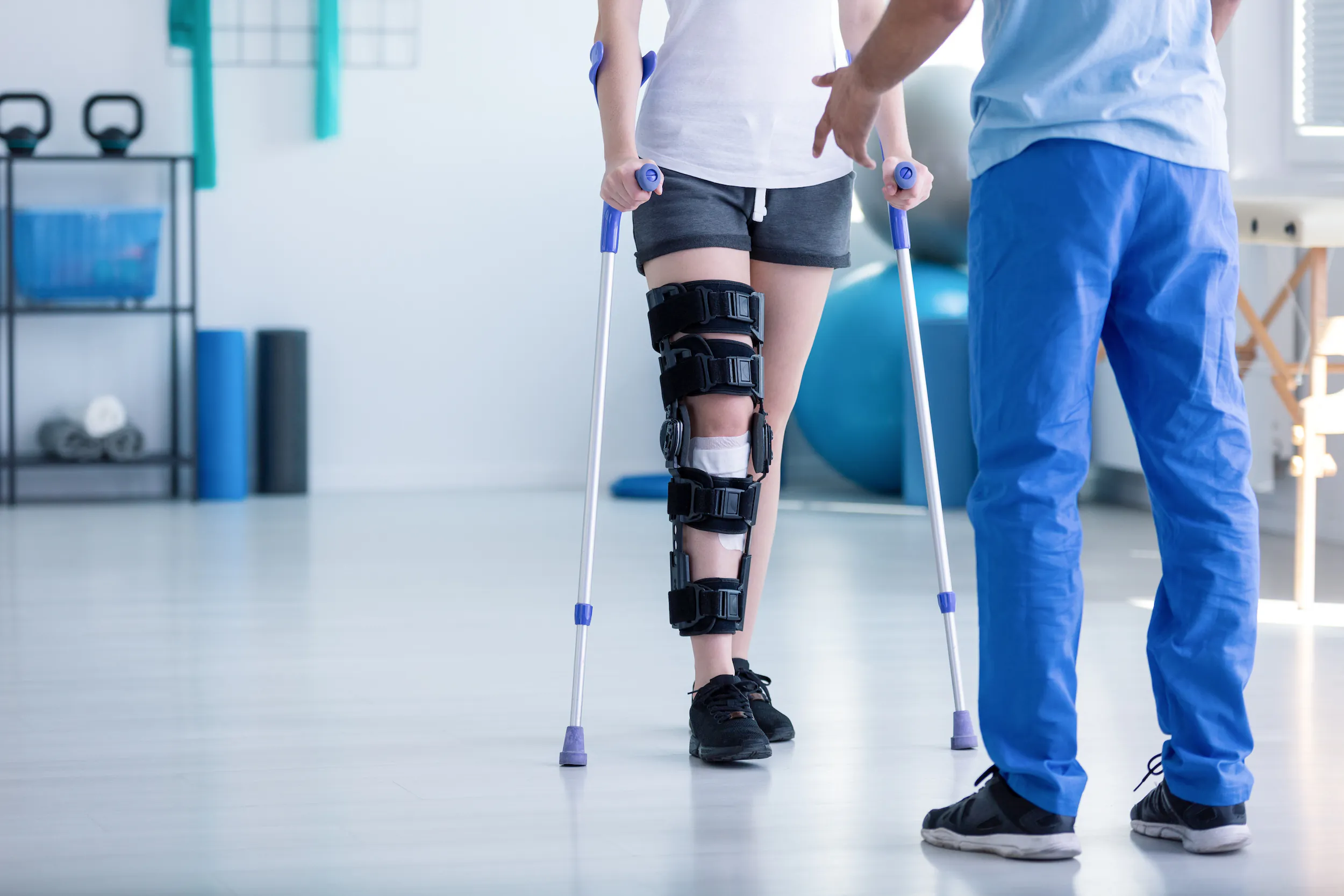
What Sports Medicine Chiropractic Adds to Post-Surgical Recovery
Sports medicine chiropractic complements post-surgical physical therapy by addressing specific aspects of recovery that PT programs often don’t focus on:
Joint mobility throughout the kinetic chain: chiropractic adjustments restore movement at joints above and below the surgical site that have become restricted through disuse, guarding, or compensation. This is important for both function and for ensuring the surgical area isn’t being overloaded by adjacent immobility.
Soft tissue quality: Active Release Technique and myofascial work address scar tissue formation, fascial restriction, and muscle tightness in the tissues surrounding the surgical site. ART is particularly effective for the adhesions that form during healing and that limit full range of motion and tissue extensibility.
Dry needling for muscle activation: muscle inhibition is one of the most persistent post-surgical challenges, particularly following knee and shoulder surgery. Dry needling can reestablish neuromuscular communication in inhibited muscles that aren’t responding to exercise-based activation alone.
PEMF therapy: in the early phases of recovery, when inflammation management and tissue repair are the priority, PEMF supports the cellular healing process. It’s a useful tool for reducing swelling and accelerating the early phases of tissue remodeling.
Red light therapy: similarly, red light therapy (photobiomodulation) supports mitochondrial function and tissue repair in the early healing phase and can reduce post-surgical swelling and discomfort.
Common Post-Surgical Cases We See
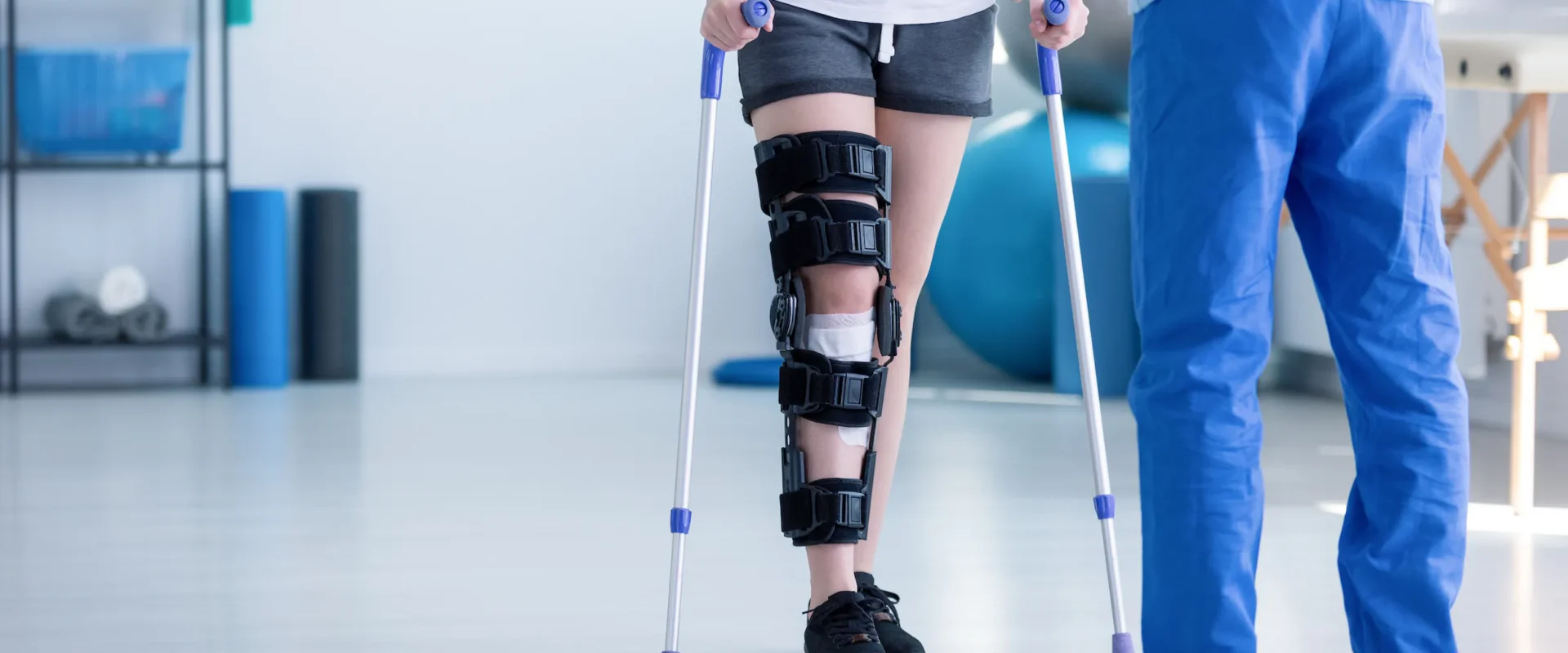
Knee surgery (ACL reconstruction, meniscus repair, total knee replacement): quad inhibition, IT band tightness, altered hip mechanics, and lumbar compensation are the most common patterns. ART, dry needling, and hip mobilization work are usually central to the plan.
Shoulder surgery (rotator cuff repair, labral repair, shoulder replacement): the cervical and thoracic spine almost always develop compensatory restrictions. The opposite shoulder often overworks. Scapular stability retraining and upper cervical mobility work are typical priorities.
Spinal surgery (discectomy, fusion, decompression): managing the segments above and below a fusion is critical for long-term outcomes. Adjacent segment stress is a well-documented complication of spinal fusion, and maintaining mobility at those levels is an important preventive measure.
Hip surgery (labral repair, hip replacement): lumbar and sacral joint restrictions, altered gait patterns, and piriformis tightness are common. Restoring hip and lumbar mobility together is usually the central goal.
When to Start
Timing depends on the surgery and your surgeon’s clearance. In general, the sooner you can begin addressing compensatory patterns and supporting tissue quality, the better your long-term outcomes. Many patients benefit from sports medicine support within the first two to four weeks post-surgery for modalities like PEMF, and from hands-on work beginning once cleared for manual therapy.
We work in coordination with your surgical team and PT. The goal is integrated care that moves you toward full function faster and more completely than any single provider can achieve alone.