
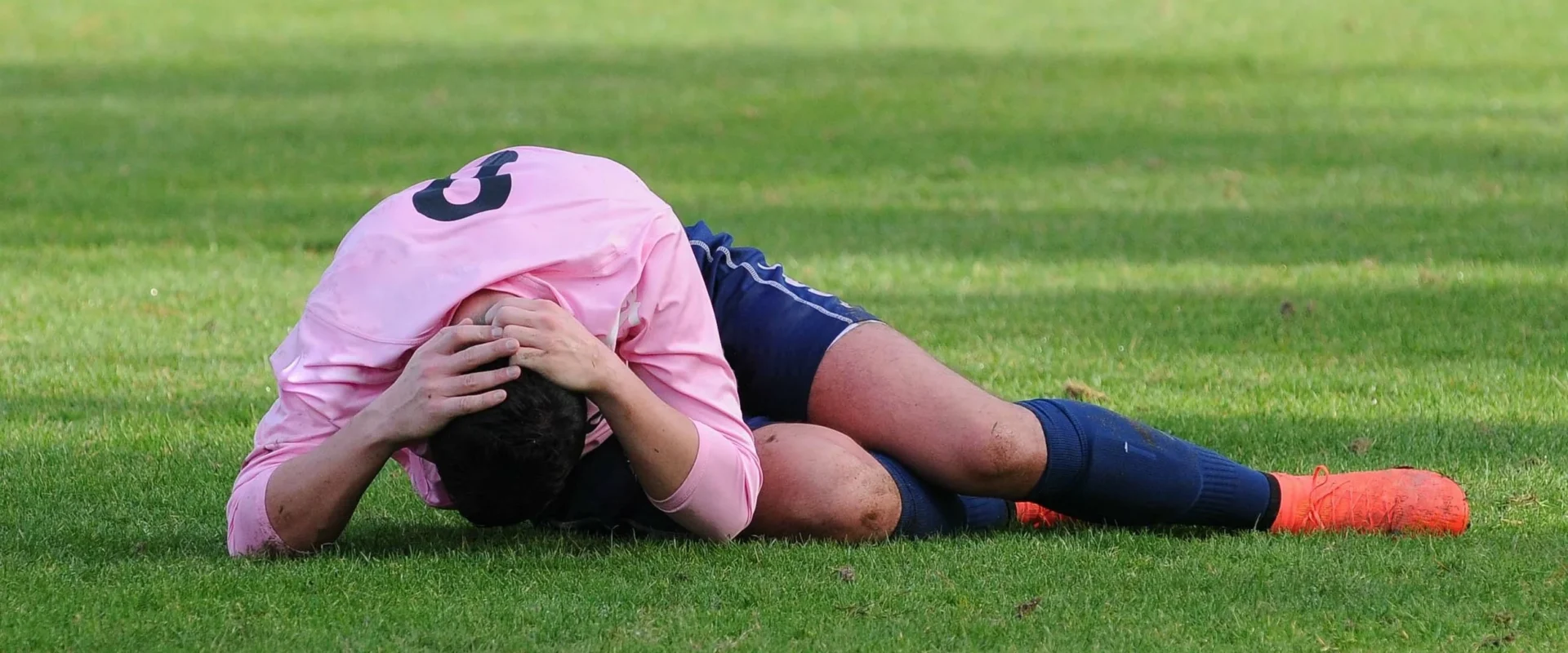

Concussions don’t always look dramatic. Nobody loses consciousness. Nobody staggers off the field clutching their helmet. Most of the time, a concussion looks like a kid who seems a little “off” — and that’s exactly why so many get missed in the moments that matter most.
Football gets most of the headlines, but concussions happen just as often in soccer headers, volleyball collisions at the net, cross country pileups, and even cheer. If you’re a parent or coach heading into fall sports, you need to know what to look for, what to do in the first sixty seconds, and what real recovery looks like — because it’s changed a lot in the last decade.
Why Concussions Are Easy to Miss
A concussion is a brain injury caused by a hit to the head or body that makes the brain move rapidly inside the skull. It doesn’t require a big hit. A shoulder to the temple during a soccer match, a header gone wrong, a fall backward on a volleyball court, a collision going for a loose ball — any of these can do it.
There’s also pressure working against you. Athletes want to stay in the game. They minimize symptoms, downplay a headache, or genuinely don’t realize something’s wrong yet, since symptoms can take minutes or hours to fully show up. Coaches are watching the whole field, not one kid’s eyes. And parents in the stands are too far away to catch a subtle change in balance or expression. That combination is why concussions are one of the most under-reported injuries in youth sports.
Signs and Symptoms Parents and Coaches Should Watch For
Watch for changes across four categories. You don’t need every symptom on this list to suspect a concussion — one or two is enough to act.
- Physical: headache, dizziness, balance problems, nausea, sensitivity to light or noise, blurred or double vision
- Cognitive: confusion, trouble concentrating, slowed responses, difficulty remembering the play or the score, feeling foggy
- Emotional: irritability, sadness, unusual anxiety, being more emotional than normal
- Sleep: drowsiness in the moment, or trouble sleeping and unusual fatigue in the days after
Trust your gut, too. If your athlete just seems different — slower to answer, oddly quiet, more emotional than usual — that counts as a symptom, even if you can’t put a name on it.
What to Do the Moment You Suspect One
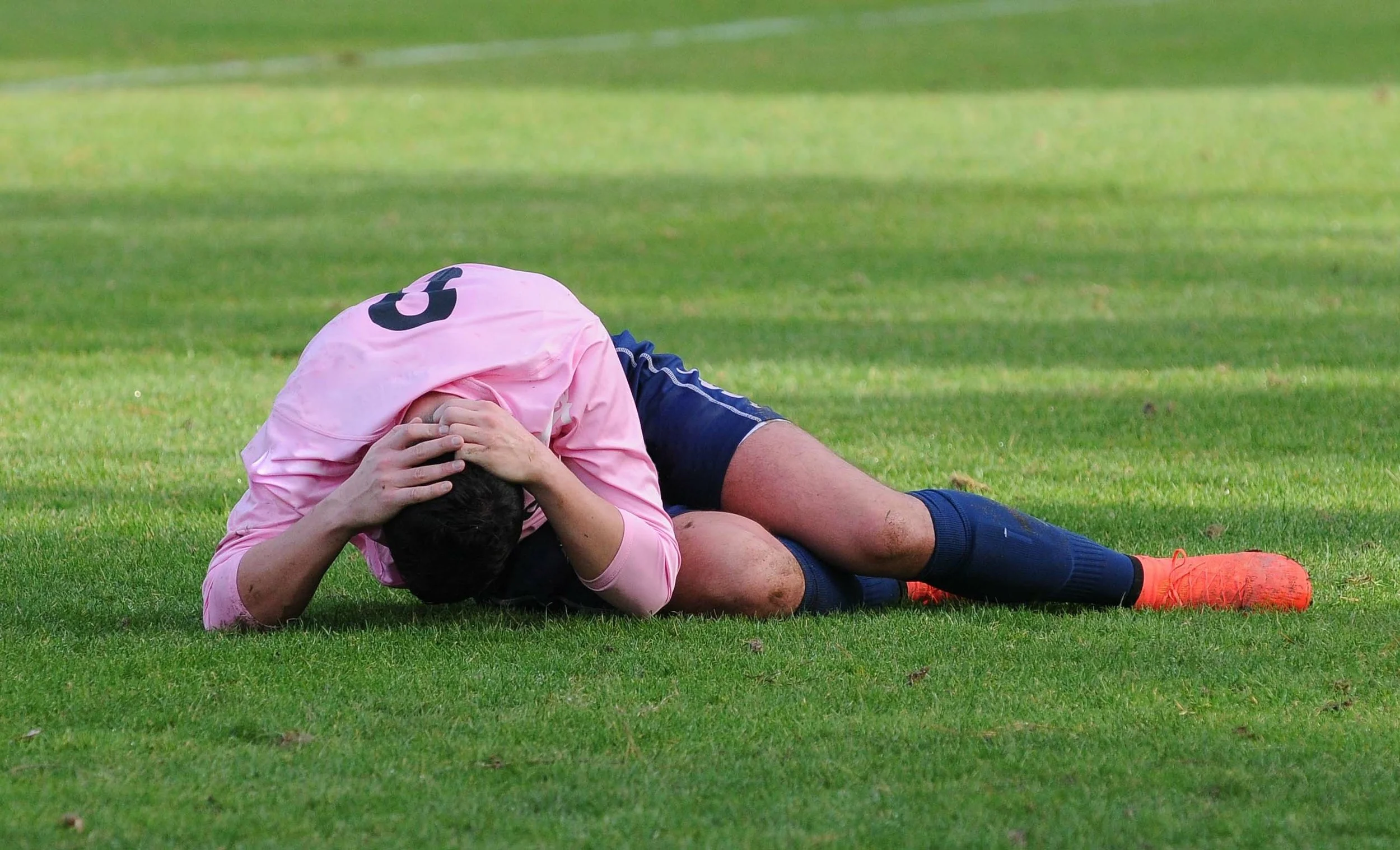
Remove your athlete from play immediately. Not after the quarter ends, not after one more rotation, not “just to finish the set.” Same-day return to play after a suspected concussion isn’t acceptable under any current guideline, at any level of play.
Once they’re out of the game:
- Don’t leave them alone for the first few hours
- Don’t let them drive, and limit screen time for the rest of that day
- Get them evaluated by a medical provider — same day if possible, next day at the latest
- Write down what you saw and when, including how the hit happened — it helps whoever evaluates them next
Red Flags That Mean Emergency Care, Not a Wait-and-See
Most concussions don’t require an ER visit. But certain symptoms mean you go straight to emergency care, not a next-day appointment:
- Headache that keeps getting worse instead of better
- Repeated vomiting
- A seizure of any kind
- Unequal pupil size
- Slurred speech
- Unusual or increasingly agitated behavior, or trouble waking up
Any single one of these is reason enough. Don’t wait to see if it passes on its own.
Why “Rest Until Symptom-Free” Is Outdated Advice
For years, the standard advice was total rest — dark room, no screens, no school, no activity — until every symptom disappeared. Current concussion protocols have moved away from this. Research suggests that extended, total rest can actually slow recovery and make the return to normal life harder, not easier.
Most guidelines now recommend a short period of relative rest, usually the first 24 to 48 hours, followed by a gradual return to light activity as symptoms allow. From there, recovery moves in stages: light mental activity first, then a graded return to school, known as return-to-learn, with accommodations like shortened days or extra time on tests, and separately, a graded return to physical activity, known as return-to-play, that moves step by step from light aerobic work up to full-contact practice. Each step only happens once your athlete tolerates the one before it without symptoms coming back. Skipping steps to get back sooner is exactly where reinjury happens.
When to Bring In Sports Medicine
A concussion needs more than a quick look and a green light to play. It needs someone tracking symptoms, cognitive function, and physical readiness through every stage of recovery, and clearing your athlete for each step before they move to the next one.
That’s where sports medicine comes in. At DSM, we manage the entire arc: the initial evaluation, symptom tracking, return-to-learn coordination with schools, and the graded return-to-play protocol that gets your athlete back safely instead of too soon. If you’re in the Austin area, our Bee Cave and South Austin locations both handle concussion evaluations, and our West University location serves families in the Houston area.
If your athlete took a hit this fall, in any sport, don’t guess. Get them evaluated and get a real plan for getting back.