
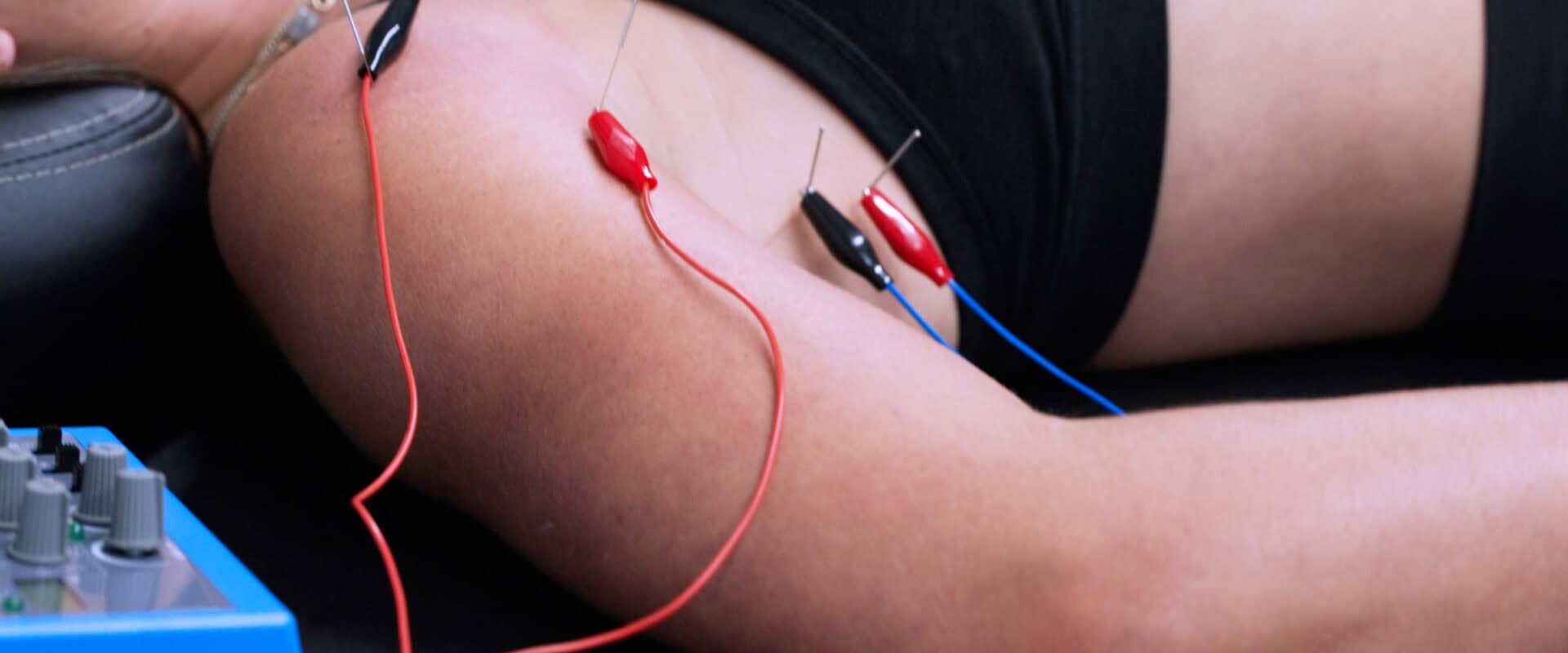

Dry needling is one of the most misunderstood treatments in sports medicine. People either assume it’s the same as acupuncture, or they have heard it is extremely painful and want nothing to do with it. Neither picture is accurate. Dry needling is a precise, evidence-backed soft tissue intervention with a clear mechanism and strong clinical results for the right conditions.
At Dynamic Sports Medicine, dry needling is one of our most frequently used tools. Here is a complete breakdown of what it is, how it works, and what to expect.
What Is Dry Needling?
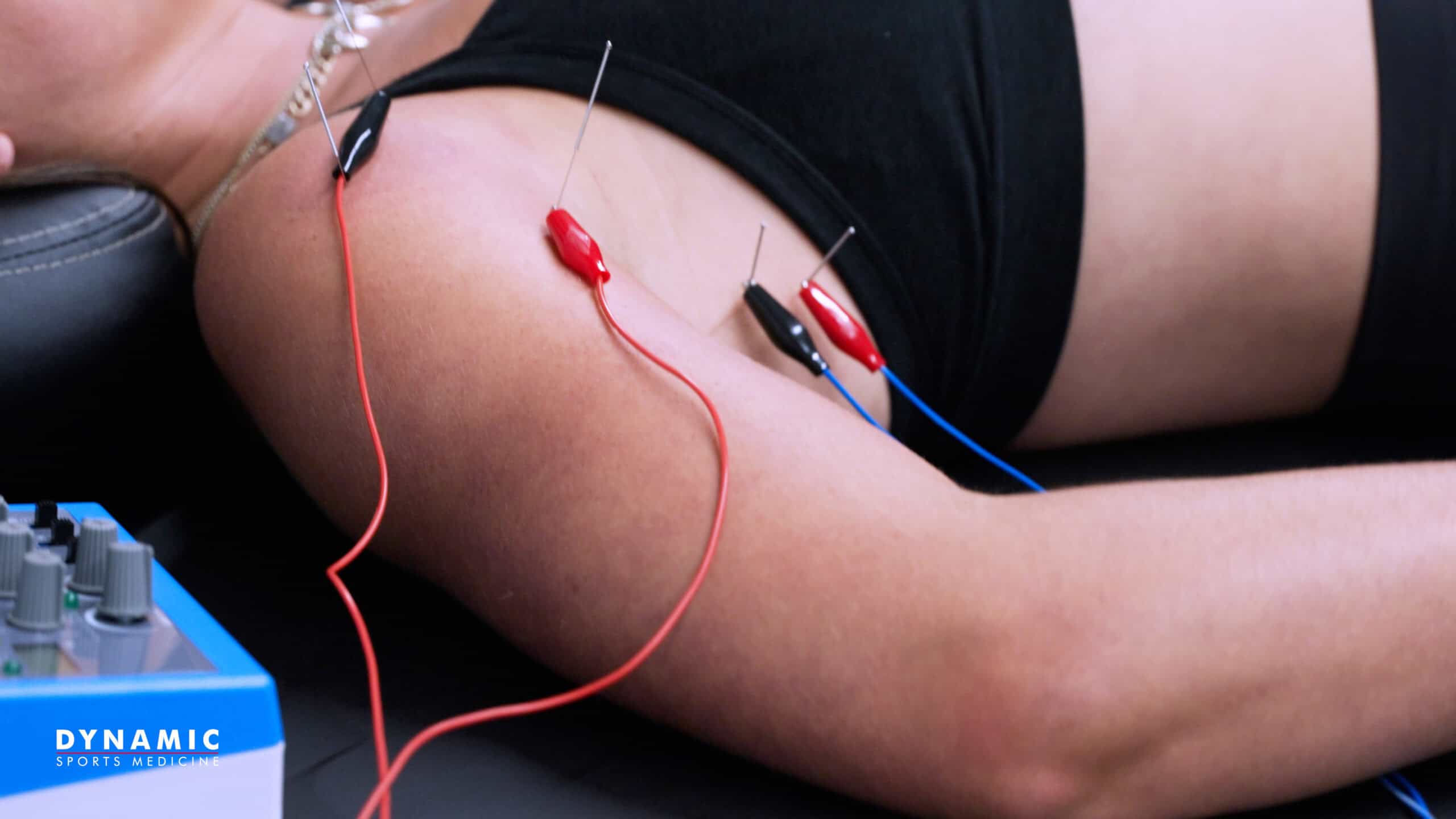
Dry needling is the insertion of a thin monofilament needle into a muscle trigger point to elicit a specific therapeutic response. The needle is “dry” in the sense that no substance is injected, unlike cortisone or local anesthetic injections.
A trigger point is a hyperirritable, taut band within a muscle that’s tender to compression and produces a referred pain pattern when stimulated. Trigger points develop from overuse, trauma, postural loading, and the protective tension patterns that develop around injury. They’re responsible for a significant portion of musculoskeletal pain and movement restriction.
How It Works
When a needle is inserted into an active trigger point, it produces what is called a local twitch response (LTR), an involuntary contraction and release of the taut muscle band. This response is associated with a measurable decrease in the electrical activity of the trigger point, normalization of the chemical environment within the tissue, and restoration of normal muscle length and function.
The LTR is often felt as a brief cramping or deep ache sensation, the “good hurt” that most people describe. After the twitch response, the muscle typically releases and range of motion improves.
Beyond the mechanical effect, dry needling also stimulates local blood flow to tissue that may have reduced vascularization from chronic tension, and produces neurological changes that reduce central sensitization in chronic pain presentations.
What Dry Needling Treats
Dry needling is most effective for conditions where trigger points are a primary driver of symptoms. These include:
In short, any condition where a muscle is inhibited, hypertonic, or producing referred pain is a candidate for dry needling.
Dry Needling vs. Acupuncture
The tools look the same, which is why the confusion persists. Both use fine monofilament needles. The frameworks, targets, and mechanisms are entirely different.
Acupuncture is rooted in traditional Chinese medicine and targets specific meridian points along energy pathways. Dry needling is rooted in Western anatomy and neurophysiology, and targets myofascial trigger points based on palpation and movement assessment. A dry needling practitioner is working from an anatomical and biomechanical framework, not a meridian map.
What to Expect at DSM
Dry needling at DSM is integrated into the overall treatment plan, not done as a standalone session. We identify the specific muscles involved through assessment, target the active trigger points, and follow the needling with manual work or movement to reinforce the release.
Sessions vary in length depending on how many muscles are treated. You may feel the local twitch response, a brief cramping or deep ache that resolves quickly. Post-treatment soreness for 24 to 48 hours is common, similar to post-exercise soreness, and is a normal part of the tissue response.